
Introduction: The New Age of Competitive Play
Esports, short for electronic sports, has evolved from a niche hobby into one of the most dynamic and fast-growing entertainment sectors in the world. What once consisted of small gatherings of gamers competing for bragging rights has transformed into massive arenas filled with fans, multimillion-dollar prize pools, and elite professional players whose skills rival those of traditional athletes. Today, esports sits at the intersection of technology, culture, competition, and business. Its rise reflects not only the increasing influence of gaming but also the ways digital connectivity reshapes how we experience sports, entertainment, and community.
The Early Spark: Where Esports Began
The origins of esports can be traced back to the late twentieth century. The earliest organized competitive gaming events featured simple titles like Space Invaders and Pac-Man. These events were modest in scale, but they marked the beginning of a concept that would eventually expand far beyond anyone’s expectations. As PCs and consoles developed more power and sophistication, games began offering deeper mechanics, richer worlds, and more opportunities for high-level skill expression. This previously untapped potential laid the foundation for organized competitions, leagues, and gaming communities that would eventually shape modern esports.
In the early 2000s, internet cafés and growing broadband access spurred a wave of multiplayer online games. Titles like Counter-Strike, Warcraft III, and StarCraft became early staples of competitive gaming. South Korea, in particular, became a global epicenter for esports, establishing professional leagues, televised matches, and sponsorship structures long before the rest of the world caught up. What seemed at the time like a regional trend soon became a global movement.
Modern Esports Takes the Stage
Today, esports spans a wide range of genres. From fast-paced shooters to strategic multiplayer battlegrounds, the diversity of competitive games ensures that different types of players and fans can find something to enjoy. Games such as League of Legends, Dota 2, Counter-Strike, and Valorant draw millions of viewers to major tournaments. Meanwhile, sports simulation games like FIFA and NBA-themed titles provide a digital parallel to traditional sports fandom.
One key factor behind the explosive growth of esports has been accessibility. Viewers from around the world can instantly tune in to watch top-tier competitions without needing expensive subscriptions or specialized equipment. This ease of access has helped build a global audience that extends far beyond the most dedicated gamers. It has also allowed professional players to amass loyal fan bases, making them household names within the gaming community and beyond.
Professional Players: The New Digital Athletes
Esports professionals train with a commitment and discipline that mirrors traditional athletes. Their daily routines often include hours of practice, strategy meetings, reviewing gameplay, and maintaining both physical and mental health. Reaction time, precision, teamwork, communication, and game knowledge all play critical roles in determining success.
Many players begin competing at a young age, discovering their talent through ranked game modes or community tournaments. Teams often scout rising talents, signing them to professional rosters where they receive coaching, salaries, performance analysis, and structured training. The best players rise to stardom, drawing sponsorship deals, brand partnerships, and huge online followings. Their influence stretches beyond competition, shaping gaming culture and inspiring the next generation of players.
The Business of Esports: Billion-Dollar Growth
The business side of esports has grown at a remarkable pace. Today, esports involves sponsorships, advertiser partnerships, merchandise, team branding, event tickets, media rights, and professional leagues backed by major investors. Corporations from a wide variety of industries have entered the space, recognizing the massive audience, youth influence, and global nature of esports.
Tournament prize pools have increased dramatically. Some flagship events offer rewards rivaling or surpassing those of traditional sports competitions. This financial growth has created stable career paths for professional players, coaches, analysts, and content creators. Beyond direct competition, esports also fuels peripheral industries such as gaming hardware, streaming platforms, event production, and content creation.
Esports Arenas and Live Events: The Digital Sport Finds a Physical Home
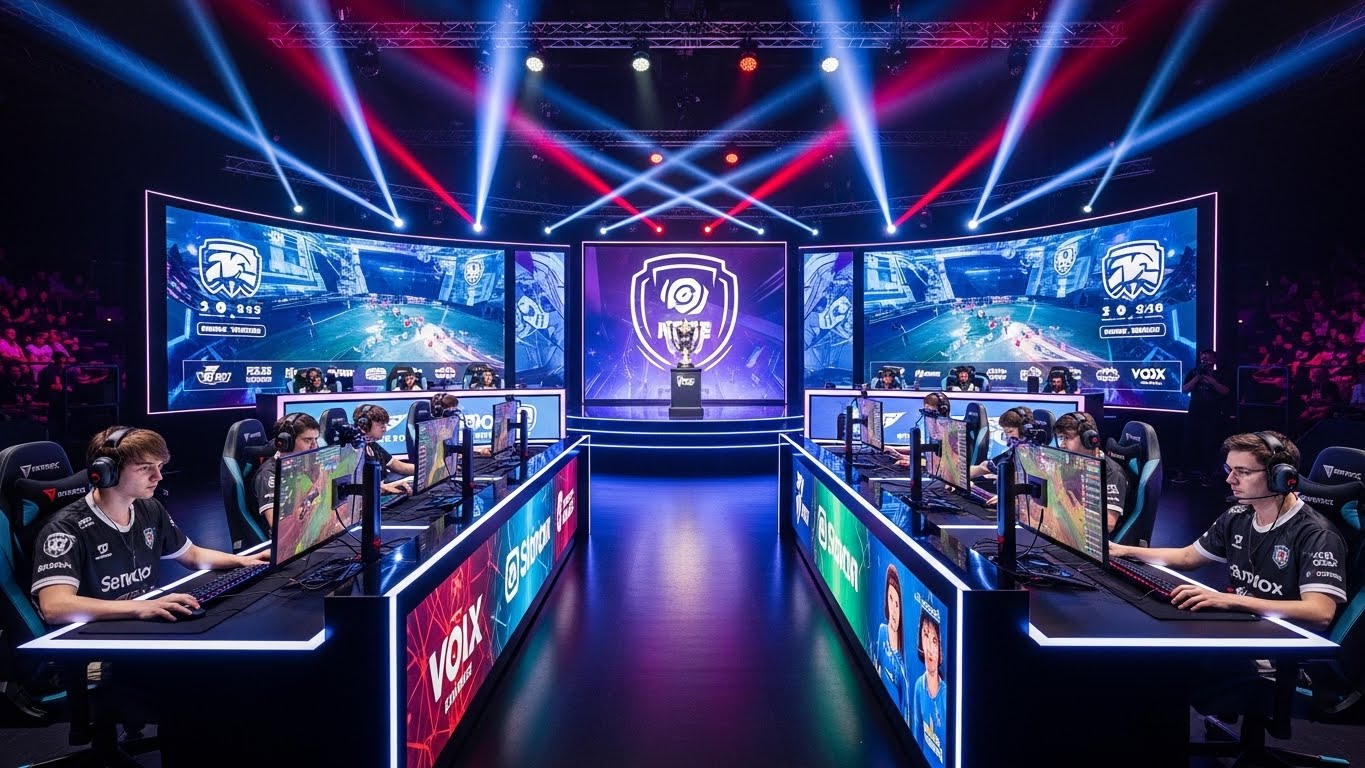
While esports is rooted in digital worlds, its presence in physical venues has grown significantly. Large-scale events fill stadiums traditionally reserved for football, basketball, or concerts. Fans travel from different countries to witness their favorite teams compete, waving banners, chanting, and cheering just as sports fans have done for decades. The atmosphere of a packed esports arena brings the excitement of live entertainment into a domain once associated purely with at-home experiences.
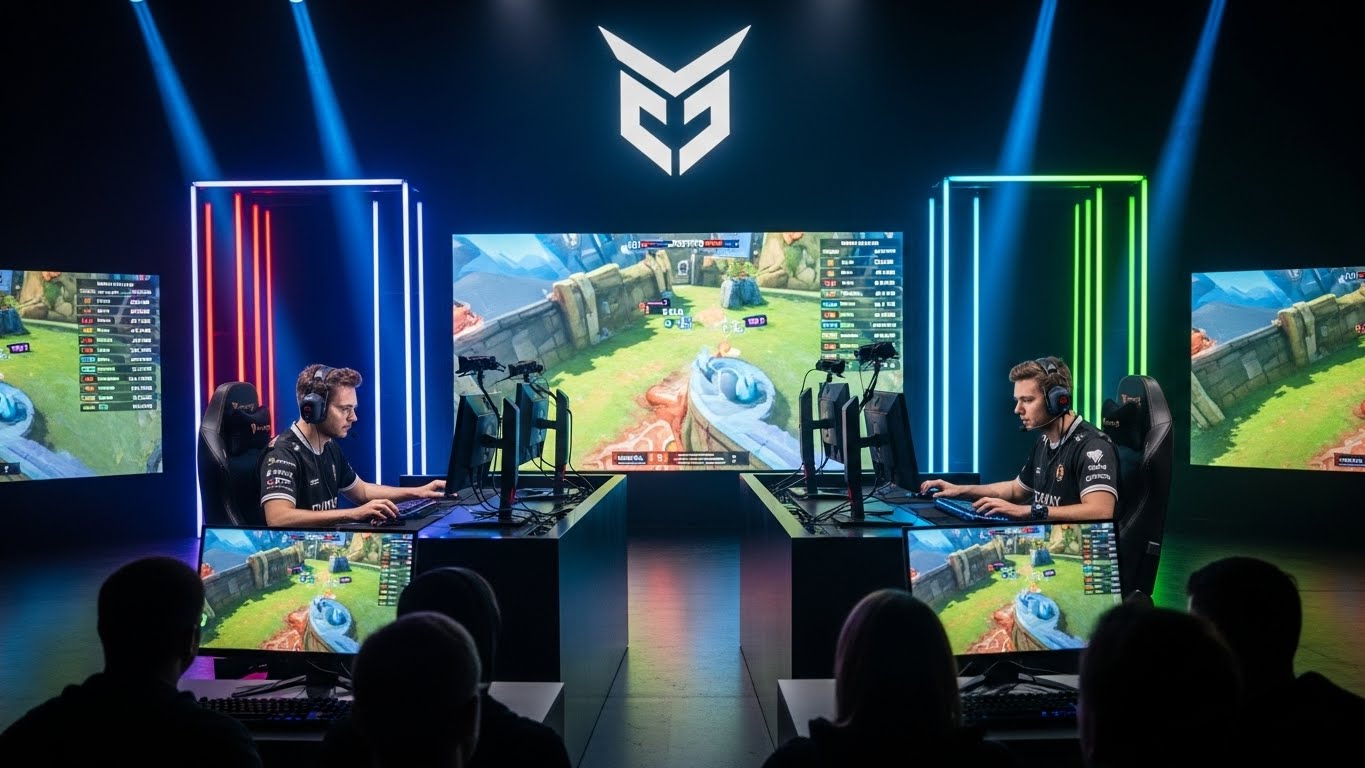
The design of these events blends the digital and physical. Massive screens display in-game perspectives, live commentary energizes the crowd, and player entrances sometimes feature elaborate stage performances. These production elements elevate esports into an immersive spectacle that rivals mainstream sporting experiences.
The Role of Streaming Platforms in Esports Popularity
The growth of esports is closely tied to the rise of streaming platforms. Content creators, pro players, and casual gamers broadcast their gameplay to global audiences. Fans don’t just watch matches; they follow personalities, learn strategies, and engage with gaming communities. This ongoing interaction has transformed esports from a seasonal hobby into a year-round entertainment ecosystem.
Streamers often become ambassadors for esports, helping bridge the gap between casual viewers and competitive play. Many retired professional players transition into streaming careers where they teach, entertain, and maintain relevance within the community. This perpetual engagement keeps esports in the public eye and continuously brings in new fans.
Esports and Education: A New Frontier for Students
In recent years, educational institutions have embraced esports as a legitimate field of study and competition. High schools and universities now offer esports scholarships, professional coaching, dedicated training facilities, and academic programs centered on game design, event management, digital marketing, and sports science.
For students, esports represents an opportunity to pursue their passion while learning valuable skills. These programs promote teamwork, problem-solving, communication, strategic thinking, and time management. The institutional recognition contributes to the normalization of esports as a serious discipline and career path.
Cultural Impact: Redefining Entertainment and Identity
Esports has influenced global culture in meaningful ways. Gaming is no longer just a pastime; it is a shared identity, a community space, and a storytelling medium. Fans connect through social media, online forums, and gaming communities, forming friendships that transcend borders. Esports events become cultural moments, shaping trends, memes, and conversations.
In addition, esports has helped redefine what it means to be an athlete. It challenges old stereotypes about gamers and celebrates mental agility, teamwork, and discipline. The success of professional players has inspired younger generations to see gaming as a legitimate aspiration, whether competitively or creatively.
Challenges Facing Esports
Despite its impressive growth, esports faces challenges that must be addressed for long-term stability. Player burnout is a major concern due to intense practice schedules and pressure to perform. Maintaining mental health and balancing competition with personal well-being are ongoing struggles within the industry.
Esports also requires clearer regulations, standardized league structures, and better pathways for amateur players to transition into professional levels. Furthermore, issues such as toxicity, cheating, and competitive integrity require continual oversight.
Addressing these challenges is essential for ensuring that esports remains sustainable, fair, and accessible for future generations.
The Future of Esports: A Digital Horizon Filled with Possibilities
The future of esports looks incredibly promising. As technology continues to advance, virtual reality, augmented reality, and improved network infrastructure may transform competitive gaming in ways we can only imagine. More countries are investing in esports development, and more traditional sports organizations are integrating gaming into their operations.
We can expect further expansion of professional leagues, improved athlete support systems, better event production, and more global representation within the competitive scene. Esports is poised to become not just a major industry but a cornerstone of modern entertainment.
Conclusion: The Global Legacy of Esports
Esports has grown into a worldwide phenomenon that continues to redefine competition, entertainment, and digital culture. Its rise tells a story of innovation, passion, and community. What was once a niche hobby has become a thriving ecosystem with professional athletes, dedicated fans, massive events, and limitless potential.
The digital arena continues to expand, inviting new players, new fans, and new opportunities. As esports evolves, one thing remains certain: it has secured its place as one of the most influential cultural movements of the twenty-first century, shaping how we connect, compete, and celebrate in a world increasingly defined by technology.