Esports has undergone a meteoric rise over the past few decades, evolving from niche subcultures to a global phenomenon. Today, competitive gaming is not just a hobby for a few enthusiastic players, but a multi-billion-dollar industry that attracts millions of viewers, sponsors, and professional athletes. Esports has emerged as a legitimate form of entertainment, rivalling traditional sports in viewership, prize money, and cultural significance. But what exactly is esports, and how did it transform from casual gaming to the massive global industry we see today?
In this blog post, we’ll explore the history of esports, how it became a cultural force, the dynamics of professional gaming, and the factors driving its continued growth. From the passionate fanbase to the groundbreaking advancements in technology, esports has carved out its own identity and is here to stay. Join us as we delve into the fascinating world of esports, its rise to prominence, and what the future holds for this exciting industry.
What is Esports?
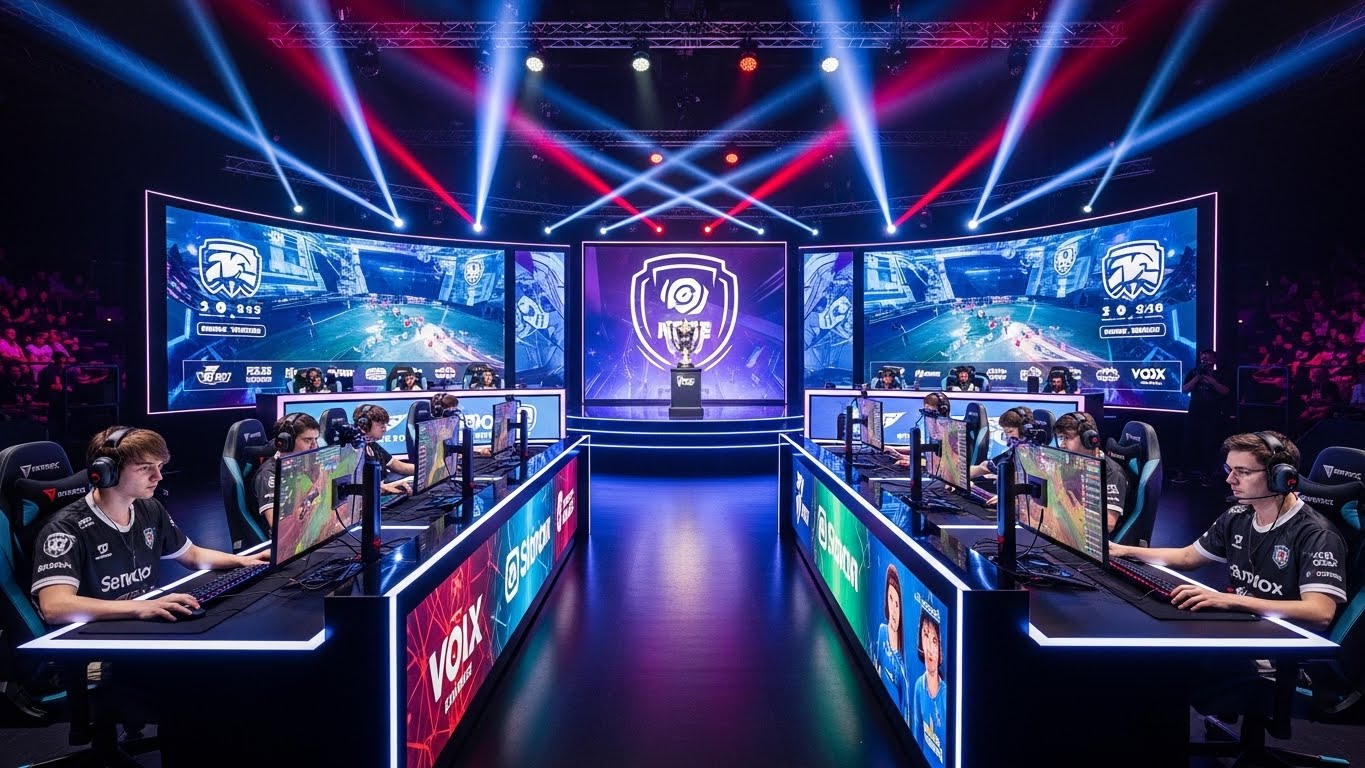
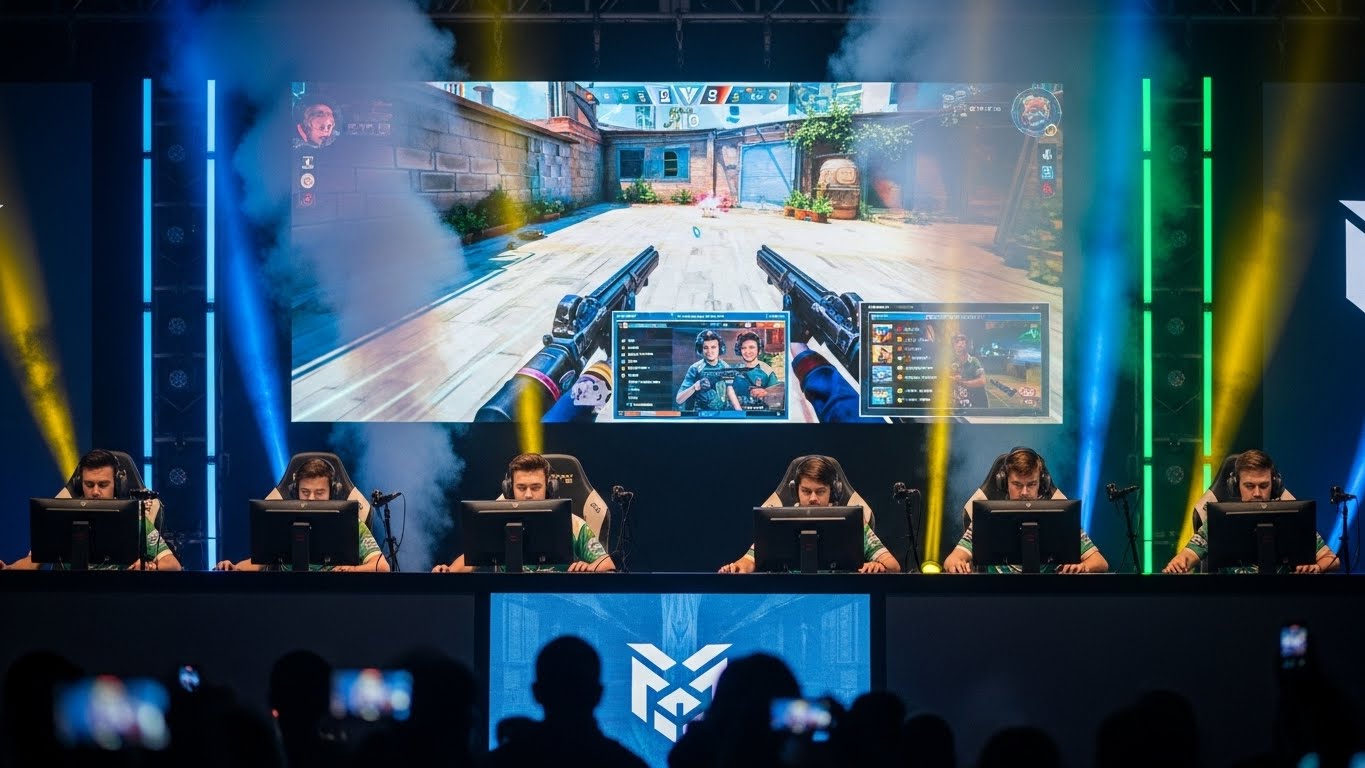
At its core, esports refers to competitive video gaming. Unlike casual play, esports involves organized competitions, often at a professional level, where individuals or teams compete against each other in a variety of video games. These competitions are structured and regulated, with players or teams vying for cash prizes, sponsorships, and prestige within the esports community. Esports can range from online tournaments to massive live events held in arenas or stadiums, where tens of thousands of fans gather to watch their favorite players or teams compete.
Esports spans a wide range of game genres, including first-person shooters (FPS), multiplayer online battle arena (MOBA) games, real-time strategy (RTS), sports simulation games, and even card games. Popular titles include League of Legends, Counter-Strike: Global Offensive, Dota 2, Overwatch, Fortnite, Valorant, and FIFA. These games require not only skill but also strategic thinking, coordination, and sometimes even teamwork on a scale similar to traditional sports.
The key difference between esports and traditional gaming is the level of competition and the professional infrastructure built around it. While casual gaming is typically for fun and leisure, esports is about taking gaming to the next level—where players train like athletes, managers handle logistics, and fans passionately support their favorite teams.
The Evolution of Esports
Esports didn’t emerge overnight. Its roots trace back to the early days of video gaming, where players gathered in arcades and hosted local tournaments. In the 1980s and 1990s, games like Space Invaders, Street Fighter, and Quake helped establish the idea of competition in gaming, but it wasn’t until the late 1990s and early 2000s that esports began to take its current form.
One of the first major esports events was the Red Annihilation tournament in 1997, which was hosted for the popular FPS Quake. The winner, Dennis “Thresh” Fong, became one of the first professional gamers to earn a significant cash prize. Throughout the early 2000s, esports events continued to grow in scope, with games like StarCraft and Warcraft III paving the way for larger tournaments and international competitions.
The 2000s also saw the rise of gaming leagues such as Major League Gaming (MLG) in North America and the World Cyber Games (WCG) on the global stage. These organizations helped bring esports into the mainstream, attracting sponsors, television coverage, and larger audiences. However, it wasn’t until the advent of streaming platforms like Twitch and YouTube Gaming that esports began to truly explode in popularity.
The launch of Twitch in 2011 was a game-changer for the esports industry. It allowed fans to watch live tournaments, streamers to build audiences, and players to gain recognition in real time. As esports tournaments streamed online, viewers from all over the world could tune in to watch major competitions live. This contributed to the massive global audience esports now enjoys, with millions of viewers watching competitions from their own homes.
Esports as a Profession
Today, professional esports players are treated much like traditional athletes. They train for hours every day, fine-tuning their reflexes, improving their gameplay, and developing strategies with their teammates. Much like a football team or a basketball squad, esports teams work closely with coaches, analysts, and managers to optimize their performance and execute complex strategies during competitions.
Professional esports players typically sign contracts with teams that sponsor them and provide a platform for them to compete at the highest level. These contracts include salary packages, sponsorship deals, travel allowances, and a host of other benefits. For the best players, winning tournaments can result in massive cash prizes, with top-tier events offering prize pools worth millions of dollars.
In fact, the financial rewards of esports have grown exponentially. For example, The International, the annual Dota 2 tournament, boasts one of the largest prize pools in esports history, regularly exceeding $30 million. While not all esports competitions offer such grand sums, even smaller tournaments can still feature impressive prize money, with mid-tier competitions offering prize pools in the six-figure range.
Players who compete in games like League of Legends or Counter-Strike: Global Offensive can earn substantial salaries and endorsement deals. This has led to a growing number of people pursuing careers in esports, from players to coaches, analysts, shoutcasters (commentators), and content creators. Esports organizations have become big businesses, with team owners, sponsors, and investors all vying for a piece of the growing pie.
Esports Viewership and Its Global Reach
One of the most fascinating aspects of esports is its vast, dedicated global audience. Unlike traditional sports, where fans may attend games in person or watch on television, esports viewers often watch online via streaming platforms like Twitch, YouTube, or Facebook Gaming. Esports has exploded in terms of viewership, with major tournaments attracting millions of concurrent viewers from across the globe.
For example, the League of Legends World Championship has regularly attracted over 100 million viewers, with peaks during the final match. Other major esports events, like the Fortnite World Cup, CS:GO Major Championships, and The International, have also garnered millions of viewers. What sets esports apart from traditional sports is the accessibility—fans can watch live broadcasts of esports competitions from anywhere in the world, making it a truly global phenomenon.
In addition to live streaming, esports tournaments are often broadcast on television, especially in markets like South Korea, China, and the United States. In South Korea, esports is considered a national pastime, with professional StarCraft players achieving celebrity status and competitions held in stadiums packed with thousands of fans. As esports grows in popularity, we are likely to see more mainstream networks partnering with esports leagues to bring competitive gaming to a wider audience.
Esports is also a highly social experience. Many fans engage with the content by interacting with streamers, chatting with other viewers, and sharing their thoughts on social media. This sense of community helps build strong fanbases, with loyal followers supporting their favorite teams or players through sponsorships, merchandise, and social media interaction. Esports tournaments have created a level of fan engagement that is unique in entertainment.
The Role of Sponsors and Investors
Esports has rapidly attracted sponsorship and investment from some of the biggest brands in the world. Companies that traditionally supported sports like Nike, Coca-Cola, and Intel have recognized the potential of esports and are eager to be a part of the action. Sponsorships help fund tournaments, provide players with equipment, and support the overall ecosystem of competitive gaming.
In addition to traditional sponsors, esports has attracted investment from venture capitalists and corporate backers looking to get in on the ground floor of a rapidly growing industry. Major organizations like Cloud9, Team Liquid, and Fnatic have raised millions of dollars from investors to grow their brands and expand into new regions.
The investment in esports is not limited to teams and tournaments. Companies in the tech industry, including hardware manufacturers, have also embraced esports by sponsoring teams or tournaments and developing products specifically designed for competitive gamers. High-performance gaming computers, headsets, and accessories are in high demand, and major brands such as Razer, Logitech, and Alienware have capitalized on this by aligning themselves with the esports ecosystem.
As the esports industry continues to grow, it is expected that more corporate sponsorships and investments will flood the market, further legitimizing esports as a mainstream form of entertainment.
The Cultural Impact of Esports
Esports has become a cultural phenomenon that extends beyond the game itself. It has fostered the rise of esports influencers, streamers, and content creators who have built massive online followings through their gameplay, commentary, and personalities. Popular figures like Ninja, Shroud, and Pokimane have taken the gaming world by storm, earning millions of dollars through sponsorships, brand deals, and streaming revenue.
Esports has also significantly impacted youth culture. Gaming and esports have become integrated into school activities, with high schools and universities now offering competitive gaming programs and scholarships for esports athletes. This cultural shift has helped legitimize gaming as a career path, with more young people looking to esports as a potential source of income and fame.
Esports also plays an important role in breaking down barriers in the world of gaming. While the gaming world has traditionally been seen as male-dominated, esports has become increasingly diverse, with a growing number of female players, coaches, and shoutcasters entering the scene. There are also efforts to combat toxicity and promote inclusivity in gaming communities, making esports a more welcoming environment for all.