Introduction
In recent years, a new form of competition has emerged that is taking the world by storm—Esports. What was once a niche pastime for gamers has now transformed into a global phenomenon, attracting millions of viewers, large sponsorships, and even recognition as an official sport. Esports brings together the thrill of competition, the innovation of gaming technology, and the excitement of live events. This blog explores the rise of esports, its growth as a multi-billion-dollar industry, and its impact on gaming, culture, and entertainment.
The Evolution of Esports: From Hobby to Global Phenomenon
The journey of esports dates back to the early days of gaming when players first competed in local tournaments and LAN (Local Area Network) parties. In the 1990s, games like “Street Fighter” and “Doom” saw players facing off in competitive matches, but these were mostly small-scale events. The early 2000s brought the first major milestones for esports, with games like “StarCraft” and “Warcraft” igniting a competitive gaming culture in South Korea. The success of these games and their tournaments laid the foundation for what we now recognize as professional esports.
Over the past decade, esports has grown exponentially, fueled by the rise of streaming platforms like Twitch, YouTube Gaming, and Facebook Gaming. These platforms have given gamers the opportunity to showcase their skills to a global audience, turning casual players into influencers and full-time professionals. The popularity of battle royale games like “Fortnite” and “PUBG” as well as MOBAs like “League of Legends” and “Dota 2” has further accelerated the growth of esports, with millions of players worldwide participating in competitions and watching live broadcasts of tournaments.
The Esports Industry: A Multi-Billion-Dollar Powerhouse
Esports has evolved from a grassroots movement to a booming industry worth billions of dollars. According to recent estimates, the global esports market is expected to surpass $1.5 billion in revenue by 2023, with a rapidly growing fanbase of over 450 million people worldwide. The industry is supported by a diverse range of revenue streams, including sponsorships, advertising, media rights, ticket sales, merchandise, and tournament prize pools.
One of the key factors driving the financial success of esports is its ability to attract major brands from various industries. Companies such as Coca-Cola, Intel, Red Bull, and Nike have made significant investments in esports, seeing the potential for reaching young, tech-savvy audiences. This has led to multi-million-dollar sponsorships, collaborations with esports teams, and even esports-focused marketing campaigns. Major media companies, including ESPN and TBS, have also entered the scene by broadcasting esports events, further legitimizing esports as a mainstream entertainment category.
The rise of esports betting and fantasy esports leagues is another lucrative aspect of the industry. Similar to traditional sports betting, fans can place bets on the outcome of esports tournaments or individual matches. Esports gambling, combined with the growing interest in fantasy sports, has become an exciting new avenue for fans to engage with the industry.
The Popularity of Esports Games: A New Age of Gaming
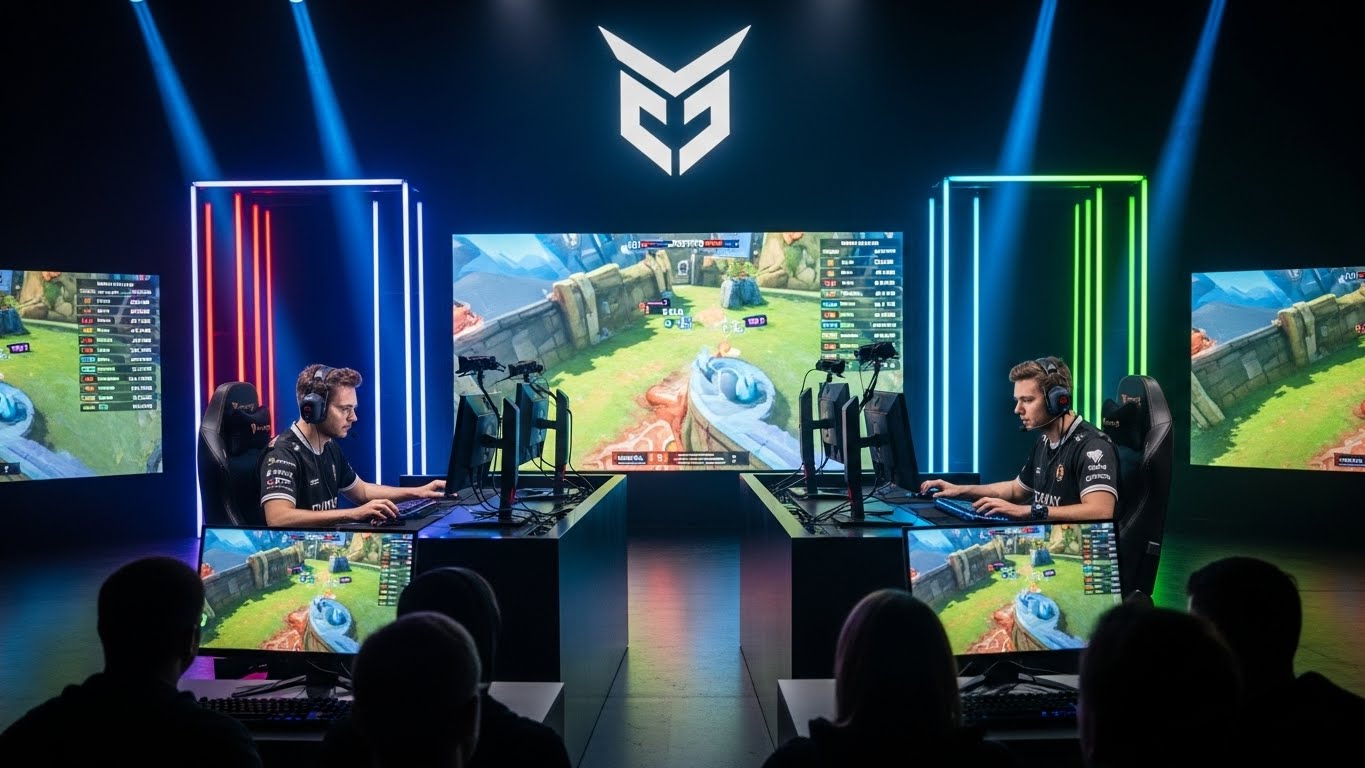
Esports is defined by its wide variety of games that cater to different types of players. From real-time strategy games (RTS) to first-person shooters (FPS), battle royales to sports simulations, esports encompasses every genre of gaming. The most popular games in the esports scene are known for their high skill ceilings, competitive balance, and ability to engage both players and viewers alike.
One of the most iconic esports titles is “League of Legends,” a multiplayer online battle arena (MOBA) that has become a global sensation. Its annual World Championship attracts millions of viewers, with the prize pool reaching over $2 million. “Dota 2,” another highly competitive MOBA, also offers substantial prize pools, with The International tournament often boasting a prize fund exceeding $30 million, one of the largest in esports history.
First-person shooters (FPS) have also carved out a massive presence in esports. Games like “Counter-Strike: Global Offensive” (CS: GO), “Call of Duty,” and “Overwatch” have dedicated fanbases and are regularly featured in large-scale tournaments. The adrenaline rush of FPS esports, combined with tactical gameplay and fast reflexes, makes it one of the most exciting genres for both players and spectators.
Battle royale games like “Fortnite” and “Apex Legends” have also become major esports titles, attracting players of all ages. These games feature a last-man-standing format, where players fight to be the last one alive in a shrinking map. They offer a unique blend of survival mechanics and competitive gameplay that has captured the attention of millions of fans worldwide.
The Esports Ecosystem: Teams, Tournaments, and Talent
At the core of esports are the players and teams that drive the competition. Professional esports teams operate much like traditional sports organizations, with team owners, coaches, analysts, and managers overseeing the development and success of their players. These teams often recruit top-tier players from around the world to compete in various tournaments and leagues.
Many professional esports players have risen to fame, with some even becoming household names in the gaming world. Players like Lee “Faker” Sang-hyeok, Johan “N0tail” Sundstein, and Tyler “Ninja” Blevins have achieved legendary status, amassing large followings on social media and streaming platforms. These players are often regarded as the face of their respective games and have been instrumental in growing the esports community.
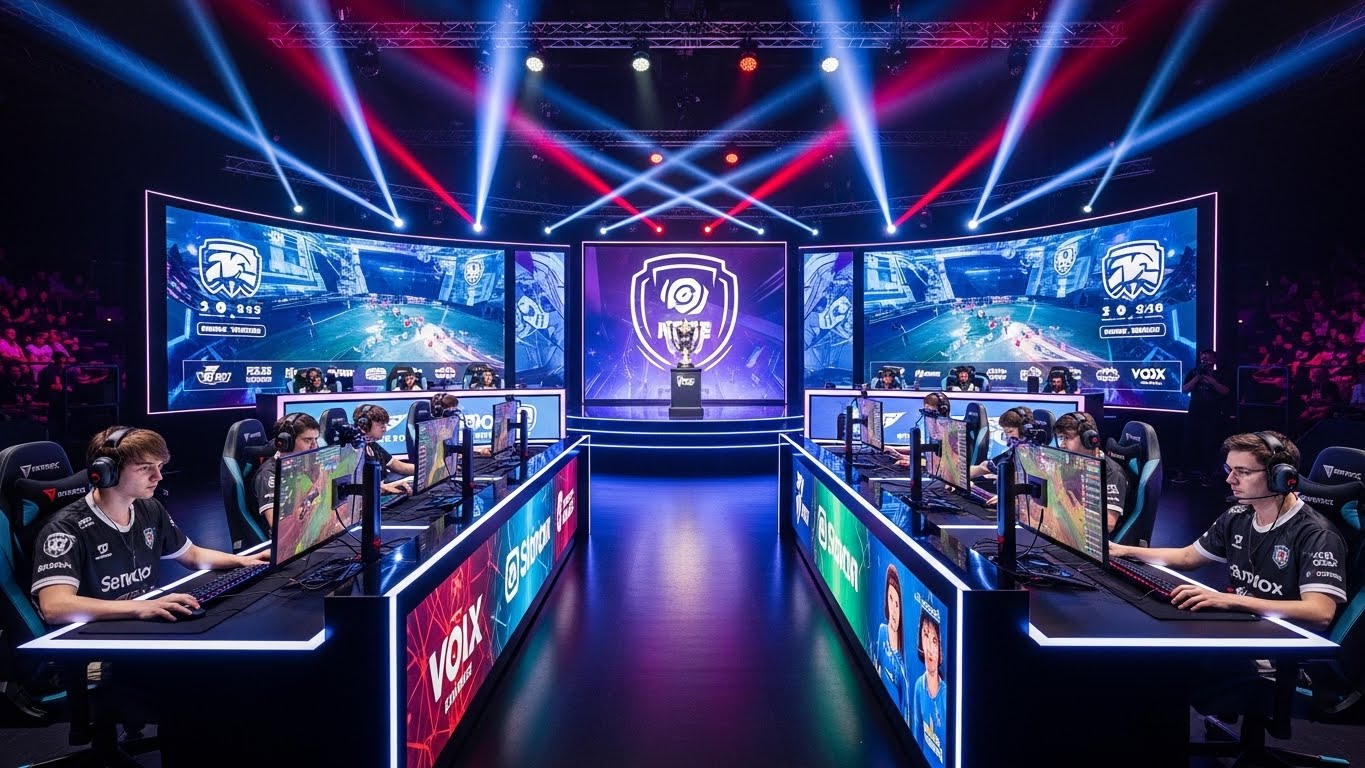
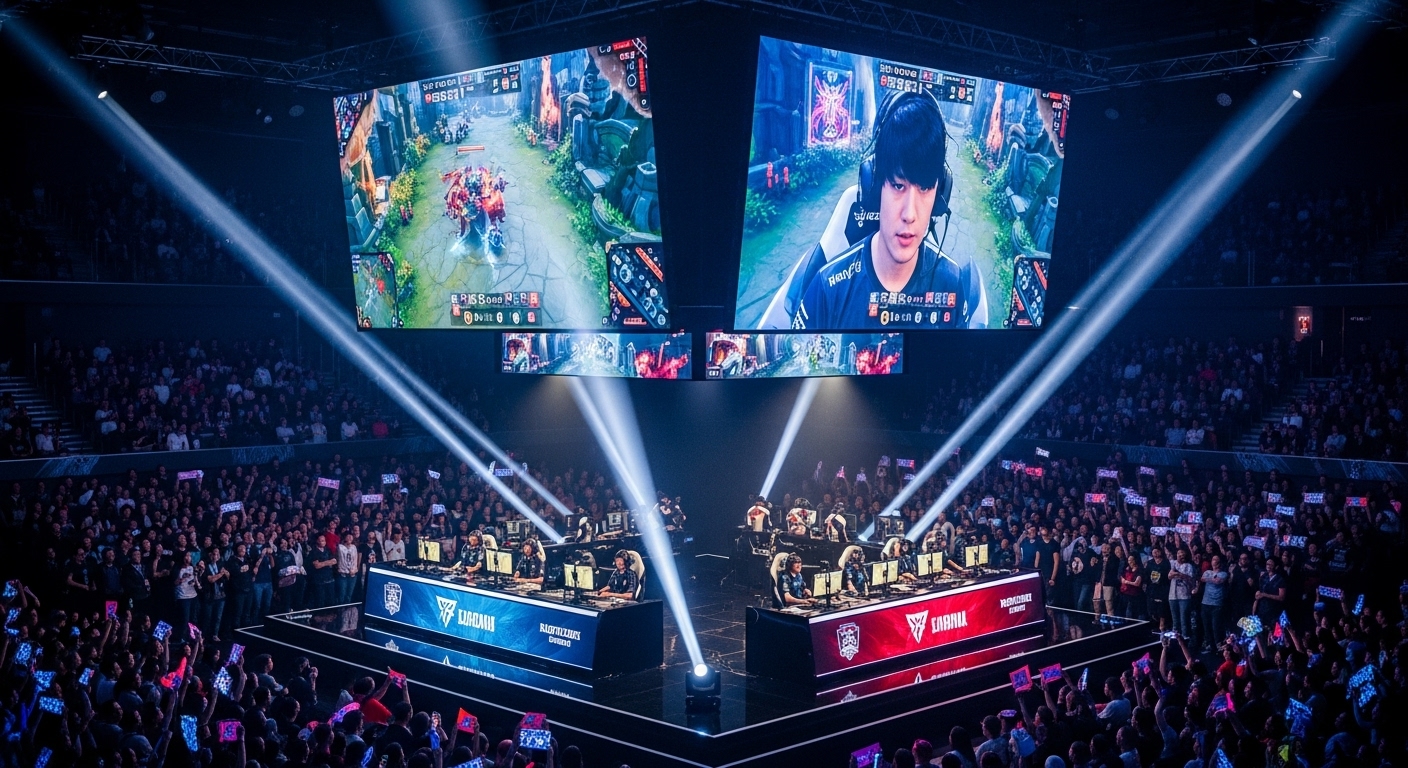
Esports tournaments are where the excitement of competitive gaming truly shines. Major tournaments such as “The International” for “Dota 2,” the “League of Legends World Championship,” and “Fortnite World Cup” are broadcast live to millions of viewers. These events are often held in large arenas and feature intense competition, with professional players from around the world battling for fame and fortune.
Tournaments are organized by game developers, third-party organizers, and esports leagues, providing a structured competitive environment. Some tournaments are regional, while others are global, bringing together the best players from every corner of the world. Esports tournaments have become significant cultural events, often attracting media attention and sponsorship deals from major brands.
The Rise of Esports Streaming: The New Era of Entertainment
One of the key drivers behind the rise of esports has been the rise of streaming platforms. Twitch, YouTube Gaming, and Facebook Gaming have revolutionized how fans interact with esports content. Twitch, in particular, has become the go-to platform for live streaming esports events, offering real-time coverage of tournaments, casual gaming streams, and exclusive content from top-tier players.
Streaming has allowed esports to become more accessible than ever before. Fans can watch their favorite players and teams compete live from the comfort of their own homes. In addition to live broadcasts, esports streamers often engage with their communities through chat, Q&A sessions, and interactive content. This level of engagement has helped foster a deeper connection between players and fans.
The influence of streamers has gone beyond the esports community. Popular streamers like Ninja, Shroud, and Pokimane have built massive followings and become influencers in the broader entertainment industry. These streamers often collaborate with brands, participate in charity events, and appear in mainstream media, further blurring the lines between traditional entertainment and gaming culture.
Esports and Education: The Growth of Collegiate Gaming
The popularity of esports has not only transformed the gaming industry but has also impacted education. In recent years, many universities and colleges around the world have embraced esports by creating esports programs and offering scholarships for talented gamers. Esports scholarships are now available for students pursuing degrees in a variety of fields, from game design to business management.
Collegiate esports has become a major sector in the esports ecosystem. Universities have started building esports arenas, offering professional-grade equipment, and hosting their own tournaments. This growing focus on esports in education has created opportunities for students to pursue careers in gaming, from professional play to event organization and game development.
In addition, esports has been recognized as a way to promote teamwork, leadership, and critical thinking—skills that are valuable in both gaming and the real world. Students who participate in esports are often seen developing valuable skills like communication, problem-solving, and strategy. This has led to a shift in how esports are viewed, with many seeing it as a legitimate extracurricular activity that fosters personal growth and development.
The Future of Esports: Challenges and Opportunities
While the rise of esports has been meteoric, there are still challenges that need to be addressed. One of the primary concerns is ensuring fair play and maintaining the integrity of competitive gaming. As esports grow, there is an increasing need for regulation, anti-cheat systems, and governance to ensure that players compete on a level playing field.
Another challenge is the mental and physical well-being of esports athletes. The long hours of practice and competition can lead to burnout and stress. Many professional players are now advocating for a better work-life balance and greater support for mental health within the esports community.
Despite these challenges, the future of esports looks bright. The continued growth of the industry, increased media coverage, and rising fan engagement point to a promising future. Esports will continue to evolve, with new games, tournaments, and formats emerging. As technology advances, we can expect to see even more immersive experiences, such as virtual reality (VR) esports, that will further enhance the way fans and players interact with competitive gaming.