Introduction: The Emergence of a New Entertainment Era
In just over a decade, esports has transformed from a niche activity to a mainstream cultural phenomenon. Once relegated to small tournaments and online gaming circles, esports has exploded into a multi-billion-dollar global industry. From professional leagues to massive international tournaments, esports has captured the attention of millions around the world. It has evolved beyond just gaming and become a cultural force, influencing everything from technology and marketing to fan engagement and social media.
The rise of esports reflects a major shift in how we view competition, entertainment, and even what it means to be an athlete. As gaming continues to grow in popularity, we are witnessing a revolution in the way sports are defined. Esports, with its high-stakes competitions, star players, and massive fanbases, is more than just a trend—it’s a movement.
What is Esports?
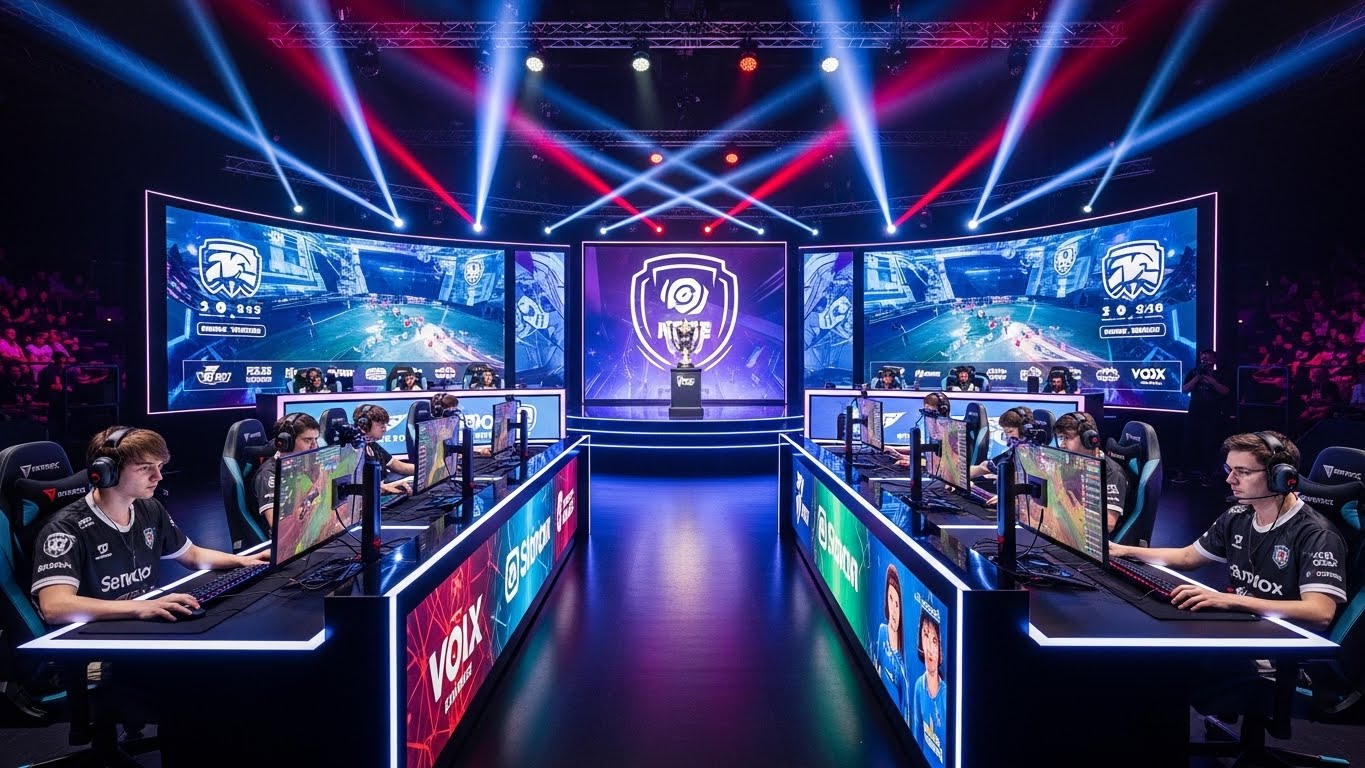
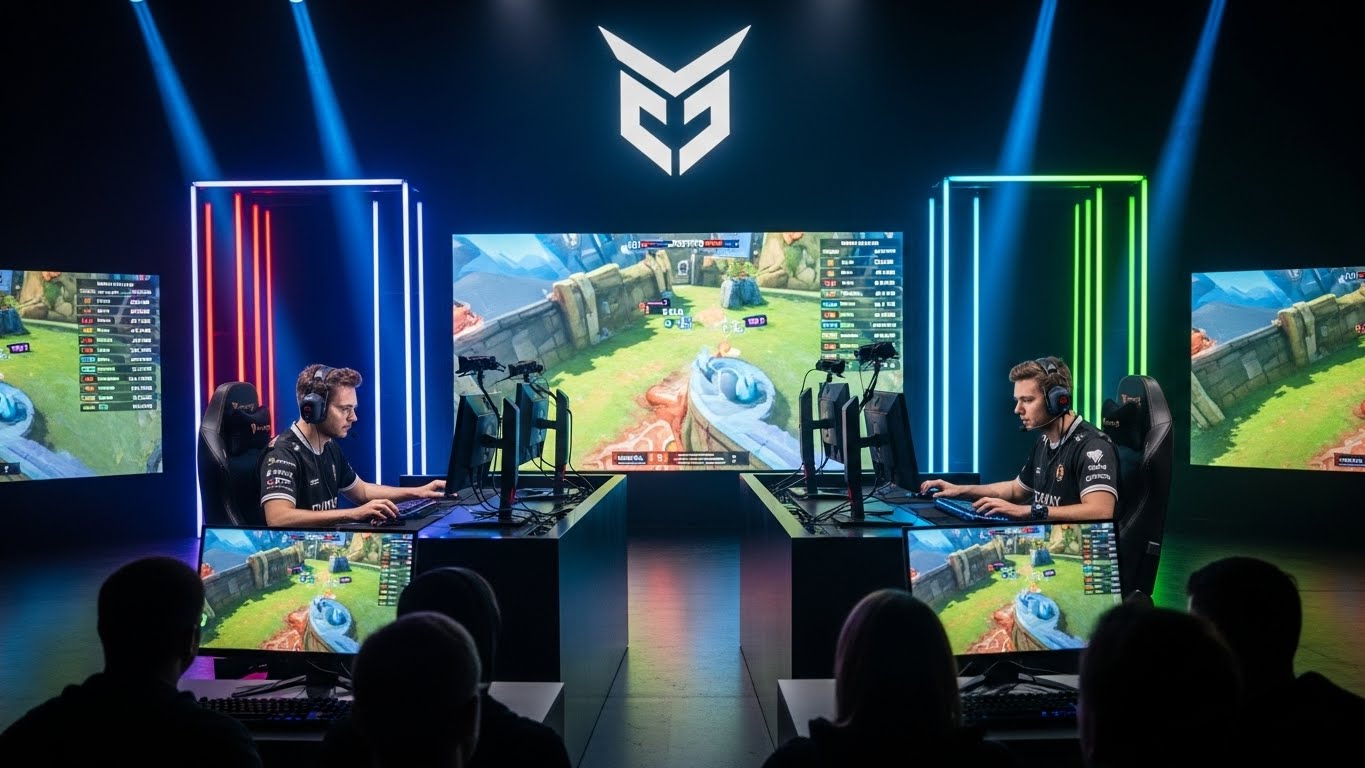
Esports, short for electronic sports, refers to organized multiplayer video game competitions, particularly between professional players, individually or as teams. Esports encompasses a wide range of video games, from real-time strategy games like StarCraft and Warcraft to first-person shooters like Counter-Strike and Call of Duty, and multiplayer online battle arenas (MOBAs) like League of Legends and Dota 2. These competitions often take place in front of live audiences or are broadcasted online to millions of viewers across the world.
Unlike casual gaming, esports is structured, professional, and highly competitive. The players, coaches, analysts, and organizers work together to create tournaments and leagues, with a focus on skill, strategy, and teamwork. The level of dedication and preparation required for success in esports is on par with traditional sports, as players practice for hours each day to perfect their gameplay, much like athletes in physical sports.
Esports as a Professional Career
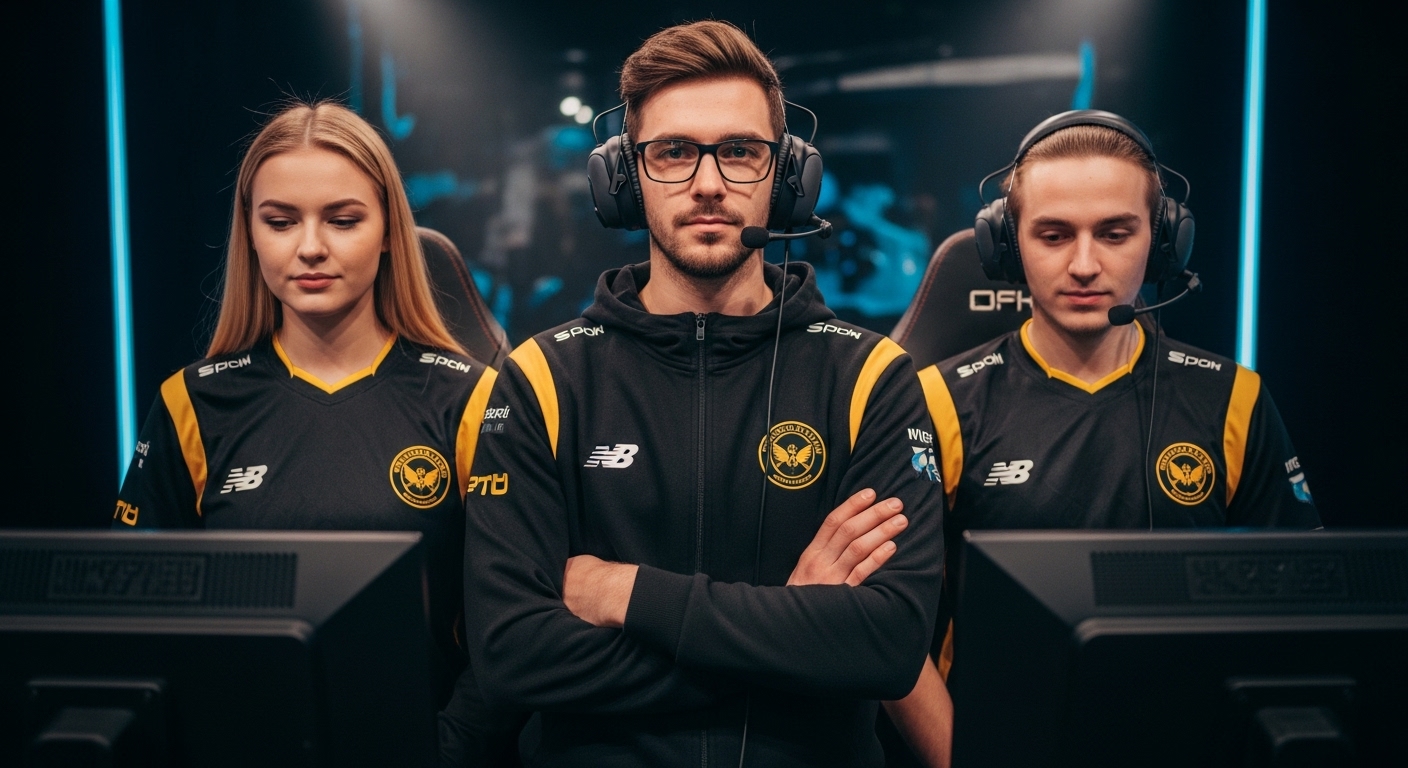
One of the most significant shifts in the world of esports is the recognition of gaming as a viable professional career. Just like professional athletes, esports players dedicate their lives to improving their skills and competing at the highest level. The allure of fame, fortune, and the thrill of competition has led to a new generation of gamers who are pursuing esports as a legitimate career path.
In many cases, esports athletes are now as recognizable as traditional sports stars. Players like Faker (Lee Sang-hyeok), a South Korean League of Legends legend, or Ninja (Tyler Blevins), a prominent Fortnite streamer, have become household names with millions of followers on social media. These players are not just competing for tournament winnings, but also sponsorships, endorsement deals, and merchandise sales.
The rise of esports scholarships in universities has further legitimized esports as a career. Schools and colleges are offering scholarships for talented gamers, allowing them to pursue their education while honing their skills in professional gaming. This gives esports players the opportunity to combine academic growth with competitive play, ensuring they have a solid foundation for life beyond gaming.
The Esports Industry: A Multi-Billion Dollar Economy
Esports has evolved into a multi-billion-dollar industry, with revenues coming from a variety of sources. The two main drivers of esports revenue are advertising and sponsorships. Major brands such as Coca-Cola, Intel, Nike, and Red Bull have all signed deals to sponsor esports teams, tournaments, and events, cementing esports as a legitimate advertising platform.
In addition to sponsorships, esports tournaments often feature substantial prize pools, with some of the biggest competitions offering millions of dollars in winnings. The International, an annual Dota 2 tournament, has set records for prize money, with its 2021 prize pool surpassing $40 million. The scale of these tournaments and the caliber of players they attract have transformed esports into an entertainment spectacle, drawing massive live audiences and millions of viewers online.
Streaming platforms like Twitch and YouTube have also played a critical role in the growth of esports. These platforms allow fans to watch live gameplay, interact with players, and even engage in virtual betting, further driving engagement and monetization. Esports content on streaming platforms has become a significant source of entertainment, often attracting more viewers than traditional sports events.
Esports Tournaments: From Local to Global
Esports tournaments have become the heart of the competitive gaming scene, drawing crowds and millions of viewers from around the globe. These events can range from small-scale local competitions to massive global tournaments with multi-million-dollar prize pools.
The League of Legends World Championship, The International for Dota 2, and The Overwatch League are just a few examples of prestigious tournaments that have captured the attention of fans worldwide. These tournaments are often broadcast live and feature professional commentary, analysis, and real-time audience interaction.
What sets esports apart from traditional sports is its accessibility. Viewers from all over the world can tune into these events, regardless of their location. The ability to watch esports tournaments online in real time has democratized the viewing experience, allowing fans to experience the thrill of competition without the barriers of geographic location or expensive tickets.
The Role of Streaming and Social Media in Esports
The rise of live streaming and social media has been a game-changer for esports. Platforms like Twitch, YouTube Gaming, and Facebook Gaming have become essential for esports players and teams to build their brand and connect with their fans. Streamers not only broadcast their gameplay but also interact with viewers through live chat, creating a sense of community and engagement that sets esports apart from other forms of entertainment.
These platforms have also allowed fans to follow their favorite players, teams, and tournaments more closely. Social media platforms like Twitter, Instagram, and TikTok enable fans to keep up with the latest esports news, while also providing a direct line of communication with players and teams. This engagement has helped grow esports’ fanbase, turning it into a global community that transcends borders and cultures.
Esports as a Global Phenomenon
Esports has evolved from a subculture into a global phenomenon. Professional leagues and tournaments are now held in various countries, with players from all over the world coming together to compete at the highest level. The League of Legends World Championship, held annually, draws players from Europe, North America, China, South Korea, and beyond. The International, the world championship for Dota 2, is another example of how esports has become a truly international event.
Esports has even become a tool for diplomacy, with countries using tournaments as a means of fostering international collaboration. In some regions, esports has been recognized as an official sport, with government-backed initiatives promoting the growth of the industry. The competitive nature of esports, coupled with its global appeal, has created a new form of sports tourism, where fans travel across the globe to watch live events.
The Cultural Impact of Esports
Esports has had a profound cultural impact, influencing not only gaming but also fashion, music, and entertainment. Esports stars have become icons in their own right, with many appearing in mainstream media, advertisements, and collaborations with high-fashion brands. The crossover between esports and traditional entertainment is evident in partnerships with musicians, athletes, and influencers, making esports a cross-cultural phenomenon.
Additionally, esports has contributed to a shift in the perception of gaming. What was once seen as a solitary activity is now celebrated as a social, competitive, and performance-driven pursuit. This shift has led to a new appreciation of gaming as a legitimate form of entertainment and skill, much like traditional sports.
The Future of Esports: What’s Next?
As esports continues to grow, the future holds exciting possibilities. One of the most significant developments on the horizon is the rise of virtual reality (VR) and augmented reality (AR) technologies. These technologies could revolutionize the way games are played and watched, creating even more immersive experiences for players and fans alike.
The inclusion of esports in traditional sports events, such as the Asian Games and potential inclusion in the Olympics, suggests that esports is on track to gain even more mainstream recognition. As esports continues to merge with other forms of entertainment, the possibilities are endless.
Additionally, as esports expands globally, more opportunities will arise for players, teams, and organizations to reach new audiences and explore new markets. The increasing interest in mobile gaming and the rise of platforms like PUBG Mobile and Mobile Legends is opening new doors for esports to reach even larger audiences, particularly in regions like Southeast Asia and Africa.
Conclusion: Esports is Here to Stay
Esports is no longer just a hobby for gamers—it’s a global entertainment industry with a vast audience, massive revenue streams, and professional recognition. With its rapidly growing fanbase, the continued rise of streaming platforms, and the expansion of tournaments and leagues, esports has become a cultural juggernaut that shows no signs of slowing down.
As technology advances and the industry continues to innovate, esports will likely remain at the forefront of digital entertainment. Whether you’re a casual gamer or a die-hard fan, one thing is clear: esports is shaping the future of competitive sports and entertainment, creating a space where everyone, no matter where they are in the world, can be part of the action.