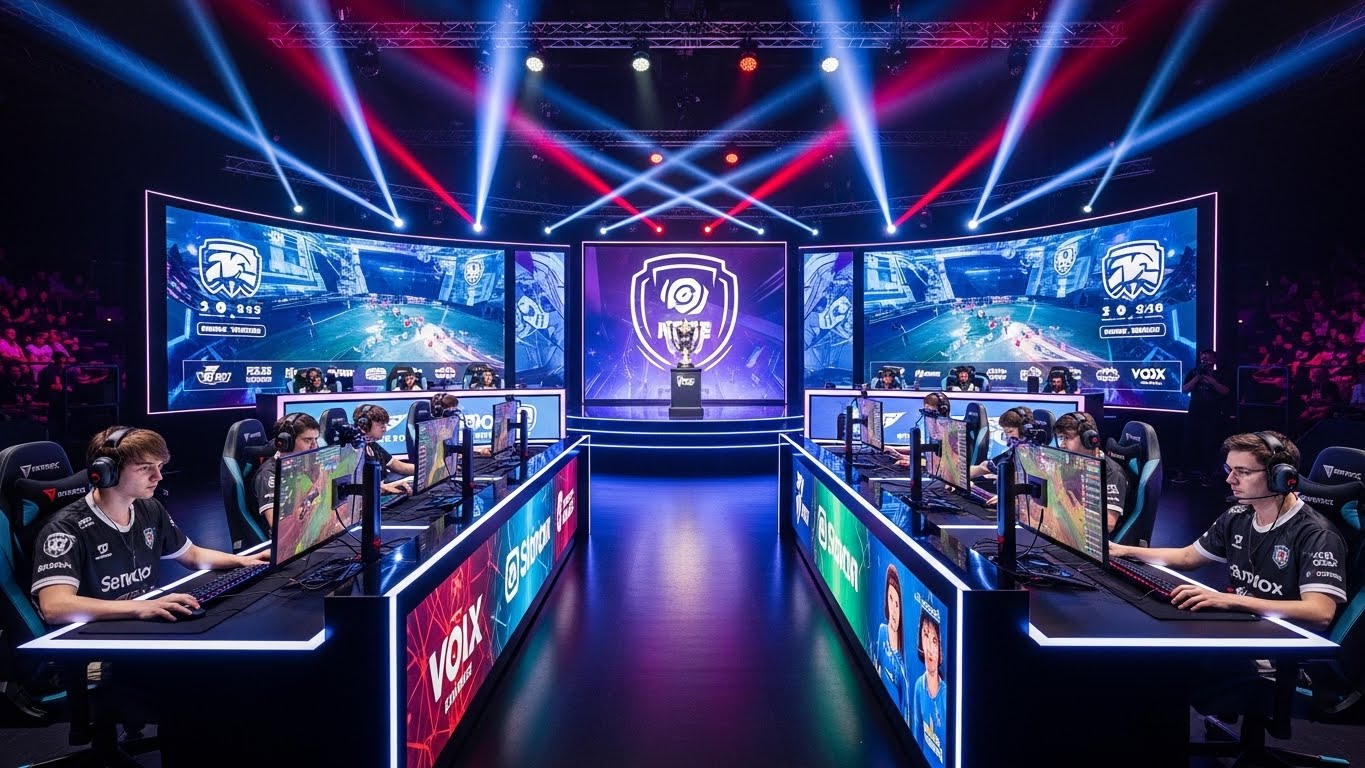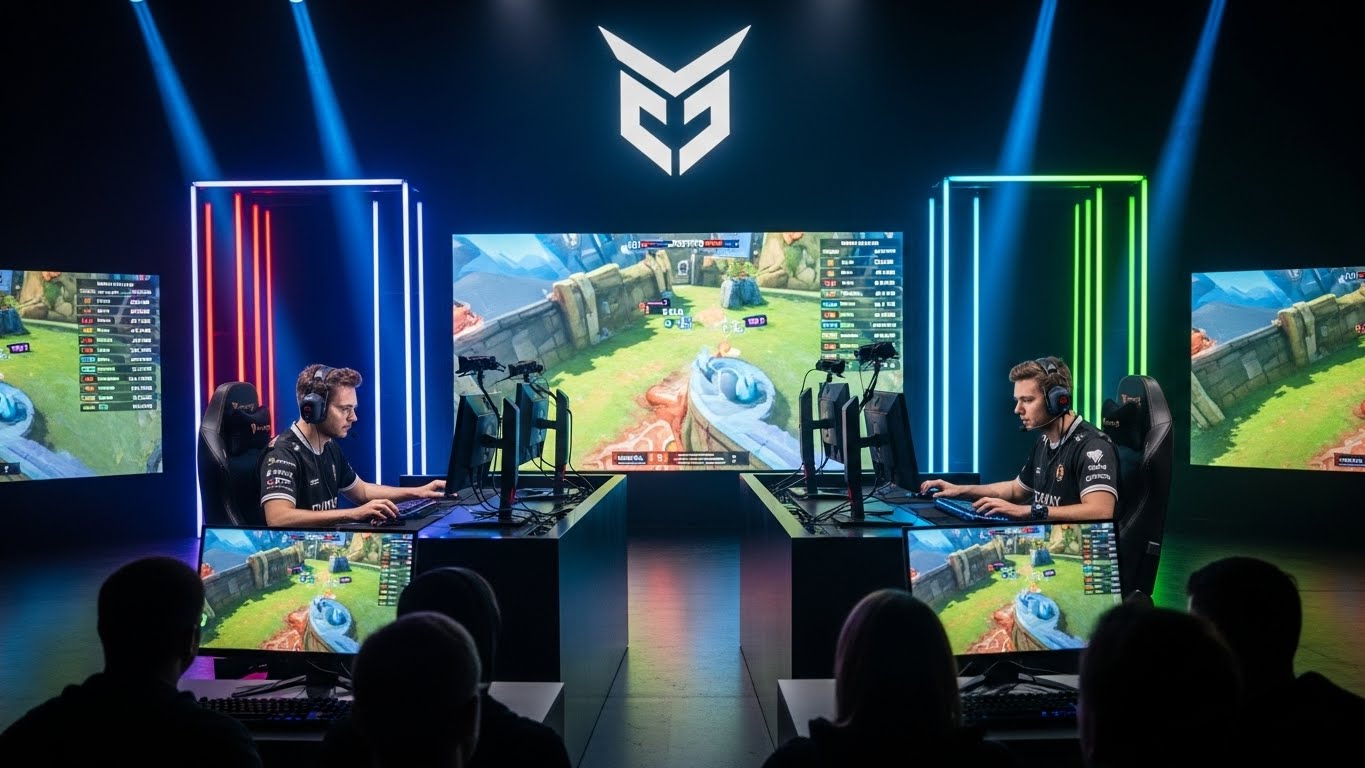

Esports has rapidly transformed from a casual form of entertainment into a global competitive movement. What once began as friendly matches between gamers has grown into a structured industry with professional athletes, international tournaments, massive audiences, and cultural influence. Esports now stands at the intersection of technology, competition, and community, challenging traditional definitions of sports and reshaping how people engage with games.
This blog explores the rise of esports, its impact on players and fans, and why competitive gaming is becoming one of the most powerful forces in modern entertainment.
What Is Esports and Why It Matters
Esports, short for electronic sports, refers to organized competitive video gaming where individuals or teams compete under structured rules. These competitions range from local online matches to large-scale global tournaments held in arenas filled with fans. Unlike casual gaming, esports demands discipline, strategy, and high-level performance.
What makes esports significant is not just the games themselves, but the culture surrounding them. Players train rigorously, teams develop long-term strategies, and fans follow competitions with the same passion seen in traditional sports. Esports matters because it reflects how competition evolves alongside technology and changing lifestyles.
The Evolution from Hobby to Profession
In its early days, competitive gaming was largely informal, driven by passion rather than structure. Over time, improvements in internet connectivity, gaming hardware, and digital broadcasting enabled esports to flourish. Competitive leagues formed, prize pools increased, and professional teams emerged.
Today, esports is a legitimate career path. Professional players sign contracts, earn salaries, and compete full-time. Teams employ coaches, analysts, and support staff. This professional framework has elevated esports from a hobby into a recognized competitive discipline that demands commitment and excellence.
Skill, Strategy, and Mental Precision
Esports is often misunderstood as simple gameplay, but the reality is far more complex. Professional esports players rely on lightning-fast reflexes, precise hand-eye coordination, and deep strategic understanding. Every decision can determine the outcome of a match.
Beyond physical input, mental strength plays a critical role. Players must stay focused for extended periods, adapt to rapidly changing situations, and remain calm under intense pressure. Strategic planning, teamwork, and real-time problem-solving make esports a true test of cognitive ability and discipline.
Teamwork and Communication in the Digital Arena
Team-based esports titles emphasize collaboration and communication. Success depends on how well players coordinate strategies, share information, and support each other during competition. Clear communication can mean the difference between victory and defeat.
These teamwork skills extend beyond gaming. Players learn leadership, accountability, and cooperation, qualities that are valuable in education and professional environments. Esports proves that digital competition can foster the same interpersonal development found in traditional team sports.
Esports as a Global Entertainment Power
One of the defining features of esports is its global reach. Players and fans from different countries come together in shared digital spaces. International tournaments attract millions of viewers, creating moments of collective excitement and cultural exchange.
Unlike traditional sports that may be regionally dominant, esports transcends borders. Anyone with an internet connection can watch, participate, or compete. This accessibility has made esports one of the most inclusive and widely consumed forms of entertainment in the modern era.
Streaming and Fan Engagement
Streaming platforms have played a crucial role in esports growth. Fans can watch live matches, follow their favorite players, and engage directly through chats and discussions. This level of interaction creates a strong connection between players and audiences.
Esports fans are not just spectators; they are active participants in the culture. They analyze gameplay, create content, and support teams with loyalty and enthusiasm. This interactive environment makes esports more engaging than traditional one-way broadcasts.
Youth, Education, and Esports
Esports has become particularly influential among younger generations. Many students view competitive gaming as both a passion and a potential career. Educational institutions are increasingly recognizing esports as a valuable extracurricular activity.
Participation in esports helps students develop skills such as strategic thinking, time management, and teamwork. It also promotes digital literacy and responsible technology use. When structured properly, esports can be a powerful educational tool that aligns with modern learning environments.
Inclusion and Accessibility in Competitive Gaming
One of esports’ greatest strengths is its accessibility. Unlike traditional sports, esports does not require physical strength or specific body types. Players of different genders, abilities, and backgrounds can compete on equal terms.
Efforts are being made to improve diversity and create safer, more inclusive environments. While challenges remain, esports continues to move toward broader representation and acceptance, offering opportunities for individuals who may feel excluded from traditional sports systems.
Economic Impact of the Esports Industry
The esports industry contributes significantly to the global economy. Revenue streams include tournament events, team operations, merchandise, content creation, and media production. Thousands of jobs have emerged in areas such as event management, game design, marketing, and broadcasting.
Esports events also benefit local economies by attracting visitors and boosting tourism. As the industry continues to grow, its economic influence will expand, reinforcing esports as a major commercial and cultural sector.
Health and Wellness in Esports
Despite its many benefits, esports also presents health challenges. Long hours of screen time and repetitive movements can lead to physical strain. Mental stress and burnout are also concerns in high-level competition.
To address these issues, professional esports organizations now emphasize balanced routines. Physical exercise, proper posture, nutrition, and mental health support are becoming standard parts of training. This holistic approach ensures players can sustain long-term careers while maintaining overall well-being.
The Role of Technology and Innovation
Technology is the foundation of esports. Advancements in gaming hardware, software, and broadcasting continue to push the industry forward. Innovations such as advanced analytics, immersive viewing experiences, and artificial intelligence are shaping the future of competition.
These technologies not only improve performance but also enhance the spectator experience. Fans can access detailed insights, alternate viewing angles, and interactive features that deepen engagement and understanding.
The Future of Esports Competition
The future of esports holds immense potential. As technology evolves and cultural acceptance grows, esports will continue to integrate into mainstream entertainment. Hybrid events combining physical and digital elements may emerge, and collaborations with traditional sports are likely to increase.
Esports may also play a larger role in education, career development, and global communication. Its adaptability ensures that it will remain relevant in an ever-changing digital landscape.
Conclusion: A New Era of Competitive Spirit
Esports represents a new chapter in the history of competition. It combines skill, strategy, technology, and community in a way that reflects modern society. Far from replacing traditional sports, esports expands the definition of what competition can be.
Through dedication, teamwork, and innovation, esports has proven itself as more than just gaming. It is a platform for personal growth, global connection, and cultural evolution. As digital warriors continue to rise, esports will remain a powerful symbol of how passion and competition thrive in the digital age.