Introduction to the World of Esports
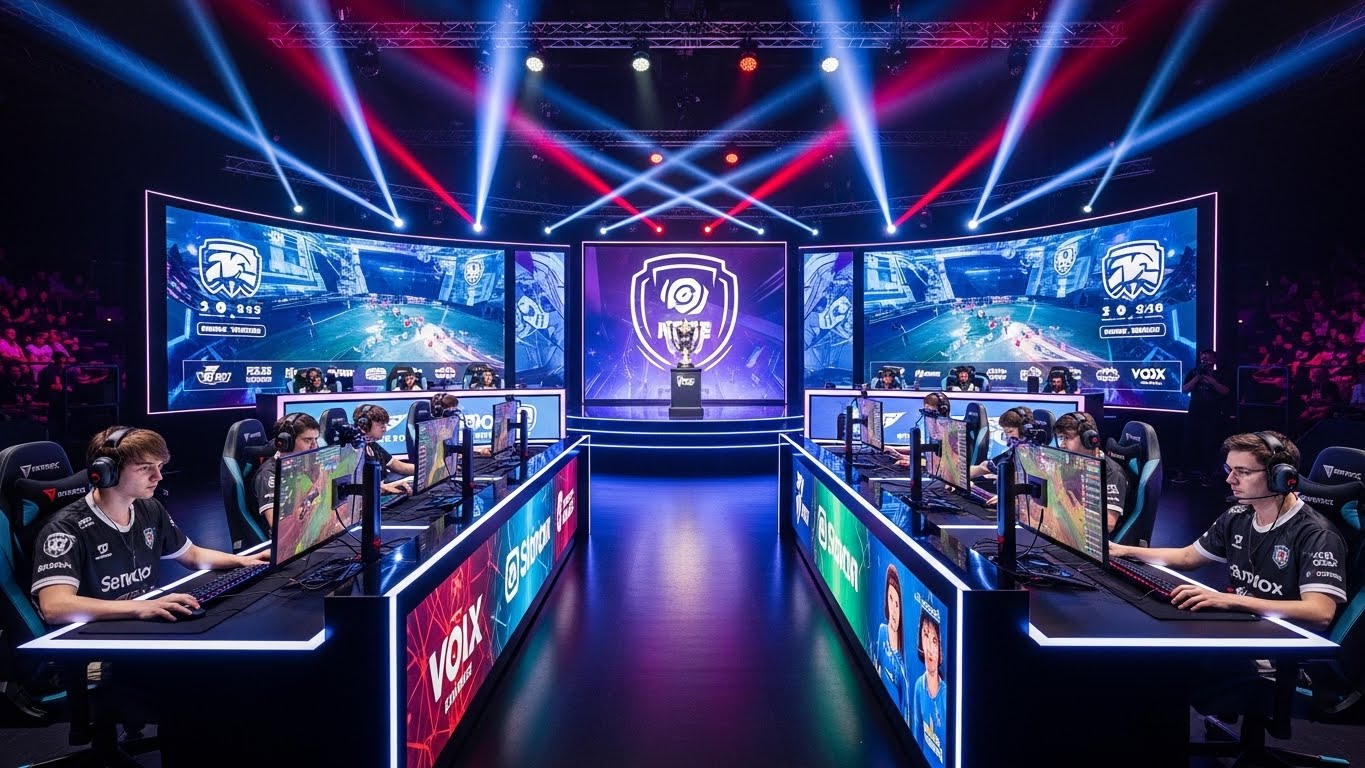
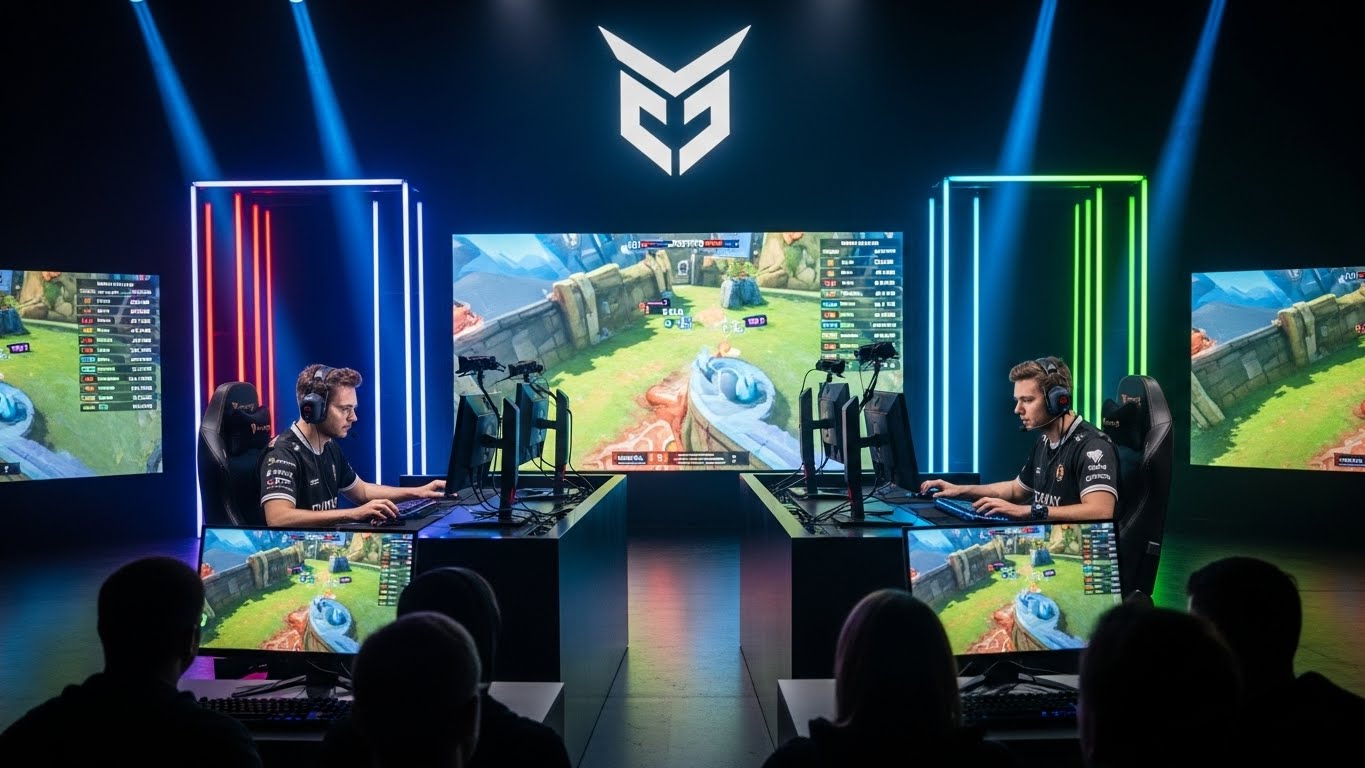
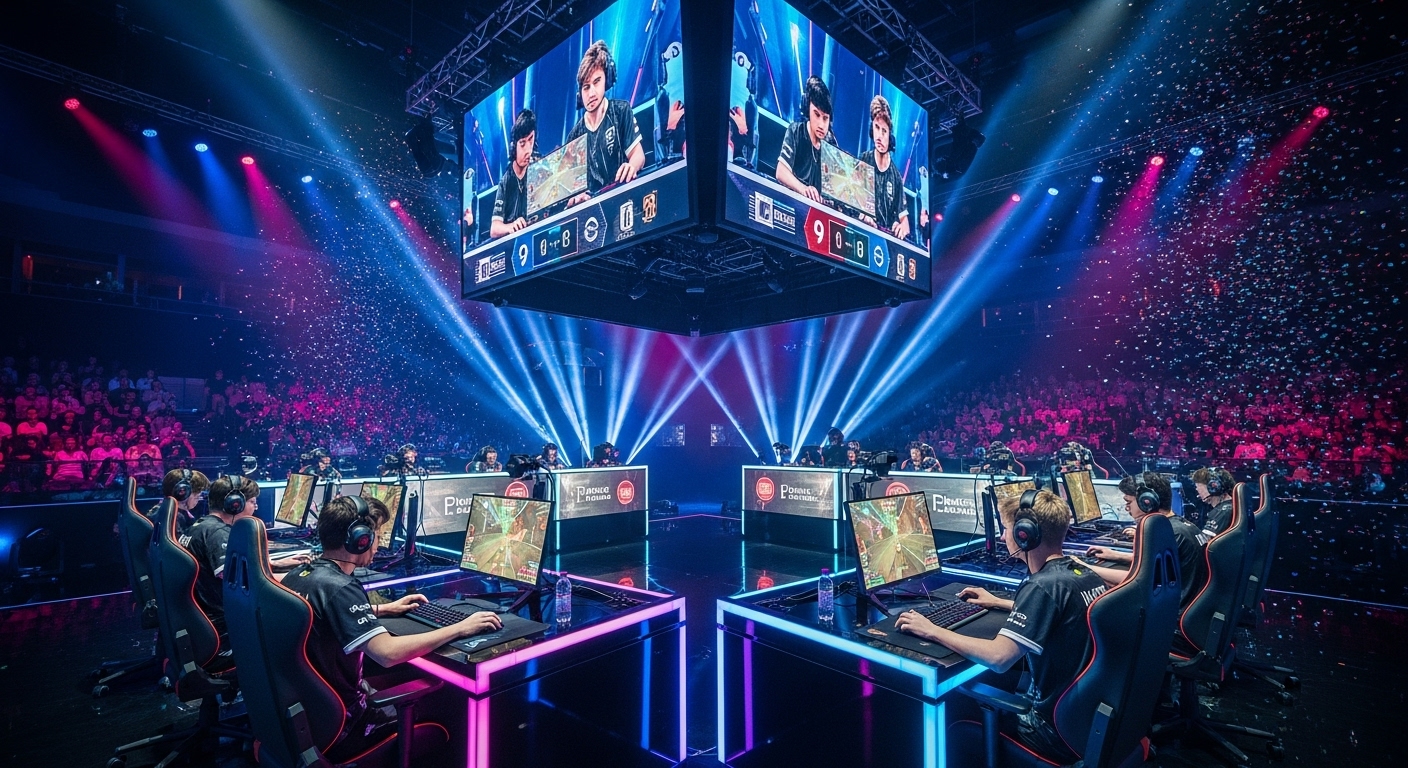
Esports, or electronic sports, has emerged as one of the most exciting and rapidly growing sectors of the entertainment industry. What started as a niche hobby among gamers has now evolved into a global competitive arena with professional teams, lucrative sponsorships, and millions of fans. Esports combines skill, strategy, teamwork, and entertainment, creating a dynamic environment where players and audiences engage in thrilling virtual battles. Beyond just gaming, it has become a lifestyle, a career path, and a cultural movement.
The Evolution of Esports
The history of esports dates back decades, with early competitive gaming emerging in arcades and local tournaments. Games like Pac-Man, Street Fighter, and early PC games laid the foundation for competitive gaming culture. As technology advanced, online multiplayer games and broadband connectivity transformed the landscape. Esports became more organized with structured tournaments, global competitions, and professional leagues. Today, esports events rival traditional sports in scale, production quality, and viewership, reflecting how far competitive gaming has come.
Popular Esports Games and Genres
Esports spans multiple game genres, each requiring distinct skills and strategies. Multiplayer online battle arenas, or MOBAs, like League of Legends and Dota 2, emphasize teamwork, strategy, and real-time decision-making. First-person shooters, such as Counter-Strike and Call of Duty, focus on precision, reflexes, and tactical coordination. Fighting games, sports simulations, and battle royale titles each contribute their unique competitive elements. This diversity ensures that esports caters to a wide range of players and audiences, creating a multifaceted global ecosystem.
The Structure of Professional Esports
Professional esports operates similarly to traditional sports, with leagues, teams, coaches, and analysts. Teams recruit players based on skill, strategy, and compatibility, often providing salaries, training facilities, and support staff. Coaches help refine strategies, improve teamwork, and maintain mental focus, while analysts study opponents and game trends. Tournaments range from local competitions to international championships, offering prestige and significant prize money. This professional infrastructure has elevated esports from casual gaming to a respected career path.
Esports Viewership and Fan Culture
Esports has cultivated a passionate global fanbase. Platforms like streaming services allow millions to watch live tournaments, interact with players, and follow their favorite teams. Fan culture extends beyond gameplay to include social media communities, forums, merchandise, and fan-made content. Spectators engage deeply with esports, analyzing gameplay, predicting strategies, and celebrating victories alongside their favorite teams. This sense of community and engagement has become a defining feature of the esports phenomenon.
Economic Impact of Esports
The economic impact of esports is substantial and continues to grow. Revenue streams include sponsorships, advertising, merchandise, media rights, and ticket sales for live events. Brands across technology, fashion, energy drinks, and other industries invest in esports to reach younger, engaged audiences. Professional players earn substantial salaries, and successful teams can generate millions through tournaments and endorsements. Esports has evolved into a robust industry, contributing significantly to the global economy while creating diverse career opportunities.
Esports and Technology
Technology is the backbone of esports. High-performance computers, gaming consoles, and fast internet connections ensure smooth gameplay and competitive fairness. Streaming technology enables live broadcasting to audiences worldwide, while analytics and software tools provide teams with insights into strategies and performance. Advances in virtual reality, augmented reality, and cloud gaming promise to further transform esports, offering new ways to play, watch, and interact. Technology fuels both the growth and the evolution of competitive gaming.
The Role of Training and Skill Development
Becoming a professional esports player requires more than just gaming talent. Players dedicate hours daily to practice, studying gameplay mechanics, strategies, and teamwork. Mental and physical training is equally important, as focus, reflexes, and endurance influence performance. Many teams employ specialized coaches and trainers to optimize performance, prevent burnout, and develop long-term career paths. This disciplined approach mirrors traditional sports and highlights the dedication required to succeed in esports.
Esports as a Global Phenomenon
Esports has transcended national boundaries, becoming a truly global phenomenon. Major tournaments attract players and fans from different continents, fostering cultural exchange and collaboration. Countries have invested in esports infrastructure, including dedicated arenas, training centers, and national leagues. International competitions showcase talent from around the world, demonstrating that esports is not limited by geography. This global reach enhances the industry’s visibility, influence, and cultural impact.
Esports and Education
Esports has also made inroads into education. Many universities now offer scholarships for esports athletes, academic programs in game design and management, and campus teams that compete in collegiate leagues. These initiatives provide students with career pathways in gaming, broadcasting, event management, and technology. Educational institutions recognize esports as a legitimate field, combining academic development with competitive and creative skills. This trend underscores the growing importance of esports beyond entertainment.
Mental Health and Well-being in Esports
While esports offers opportunities and excitement, it also presents challenges related to mental health and well-being. Intense competition, long hours of practice, and public scrutiny can lead to stress, burnout, and anxiety. Teams and organizations increasingly emphasize psychological support, balanced training routines, and healthy lifestyle habits to maintain player well-being. Mental resilience, focus, and emotional intelligence are now seen as crucial components of success in esports, highlighting the importance of holistic support systems.
Diversity and Inclusion in Esports
Esports has made strides toward diversity and inclusion, welcoming players of different genders, ethnicities, and backgrounds. While the industry historically faced challenges with representation, initiatives promoting inclusivity are growing. Mixed-gender tournaments, international leagues, and community programs encourage participation from underrepresented groups. Diversity enhances the competitive scene by bringing fresh perspectives, creativity, and talent, making esports richer and more accessible for all.
The Future of Esports
The future of esports is promising, with technology, audience engagement, and global expansion driving continued growth. Emerging trends include augmented and virtual reality competitions, AI-assisted training tools, and interactive fan experiences. Esports may increasingly integrate with traditional sports, media, and entertainment, creating hybrid events that captivate audiences in new ways. The industry is also likely to expand into education, wellness, and professional development, further solidifying its role as a cultural and economic force.
Esports as a Cultural Phenomenon
Esports has become more than a competition; it is a cultural movement. It influences fashion, music, lifestyle, and media, shaping the tastes and behaviors of millions of fans. Esports stars are celebrated like traditional athletes, inspiring a new generation of gamers and content creators. The culture around esports emphasizes skill, creativity, teamwork, and community, reinforcing its identity as a meaningful part of contemporary society. It is a reflection of how entertainment, technology, and social interaction converge in the modern era.
Conclusion
Esports has evolved from niche gaming competitions into a global powerhouse of entertainment, technology, and culture. Its growth demonstrates the potential of gaming as a professional, social, and economic force. With dedicated players, passionate fans, cutting-edge technology, and institutional recognition, esports continues to redefine what it means to compete, watch, and engage in gaming. As the industry expands, it promises even more immersive experiences, innovative events, and opportunities for those willing to dedicate themselves to the world of competitive gaming. Esports is no longer just a pastime; it is a global phenomenon shaping the future of entertainment.