Introduction: The Rise of Esports
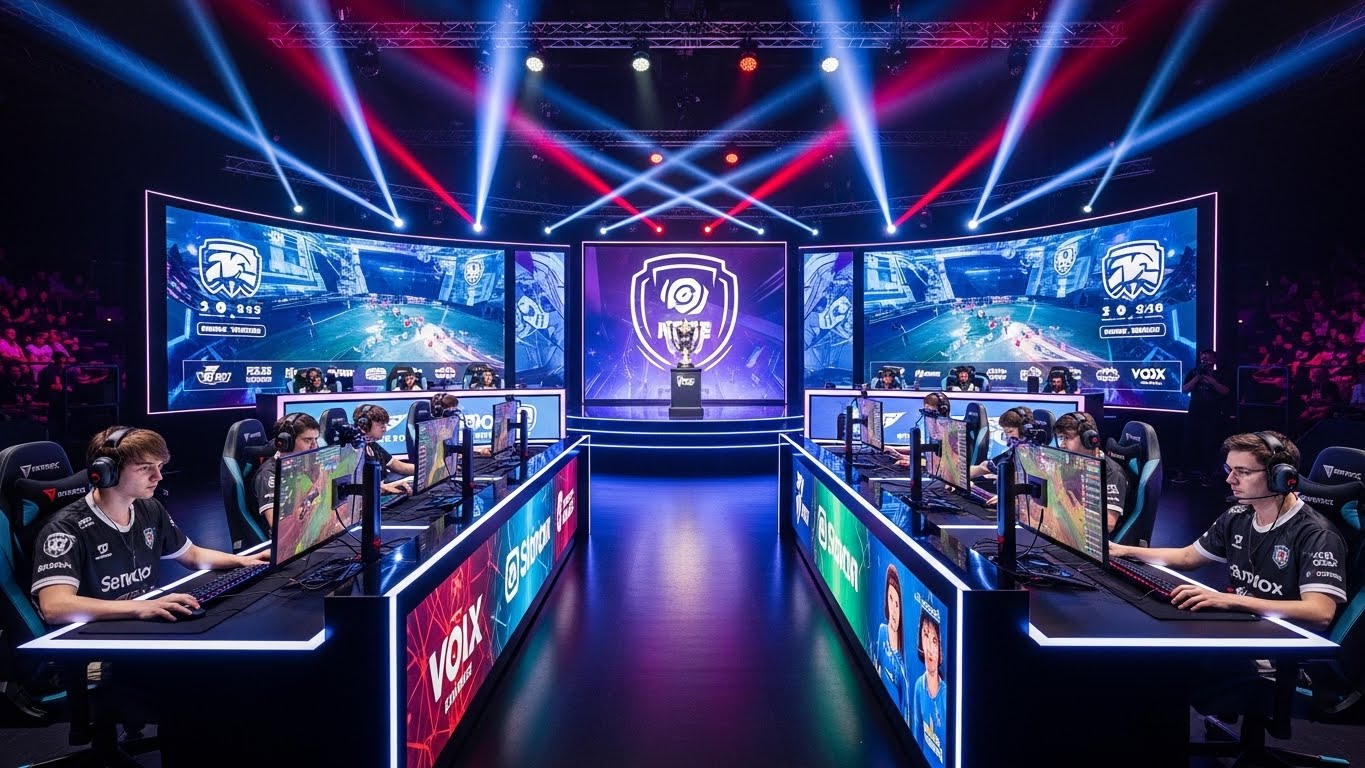
Esports, once considered a niche hobby, has evolved into a global phenomenon that rivals traditional sports in popularity, audience engagement, and professional opportunities. What started as casual video game competitions among friends has grown into a multi-billion-dollar industry encompassing professional leagues, world championships, sponsorship deals, and international fan communities.
The rapid growth of esports is a reflection of technological advancement, changing entertainment consumption habits, and the global appeal of interactive competition. Today, esports is not just about gaming; it represents a unique blend of skill, strategy, teamwork, and digital innovation that resonates with millions around the world.
The Evolution of Competitive Gaming
Competitive gaming dates back decades, but the rise of esports as a professional field is relatively recent. Early tournaments focused on arcade and PC games, attracting local participants and small audiences. The advent of high-speed internet and streaming platforms allowed competitions to reach global audiences, making esports accessible to anyone with a computer or gaming console.
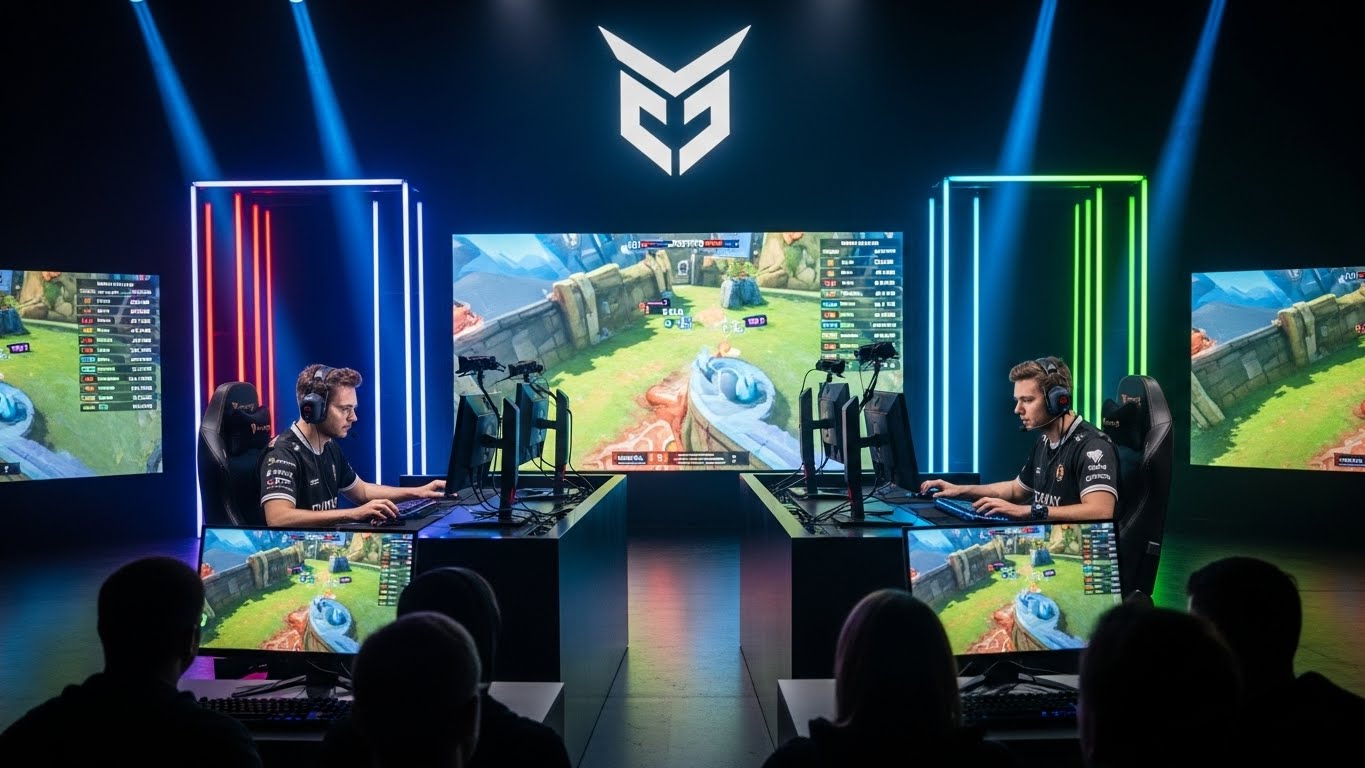
Modern esports includes a wide variety of games ranging from strategy titles like real-time strategy and MOBAs to fast-paced shooters, fighting games, and sports simulations. Each genre requires distinct skills, from rapid reflexes and precise coordination to tactical thinking and teamwork. The diversity of esports ensures that it appeals to a broad spectrum of players and spectators.
Professionalism and Career Opportunities
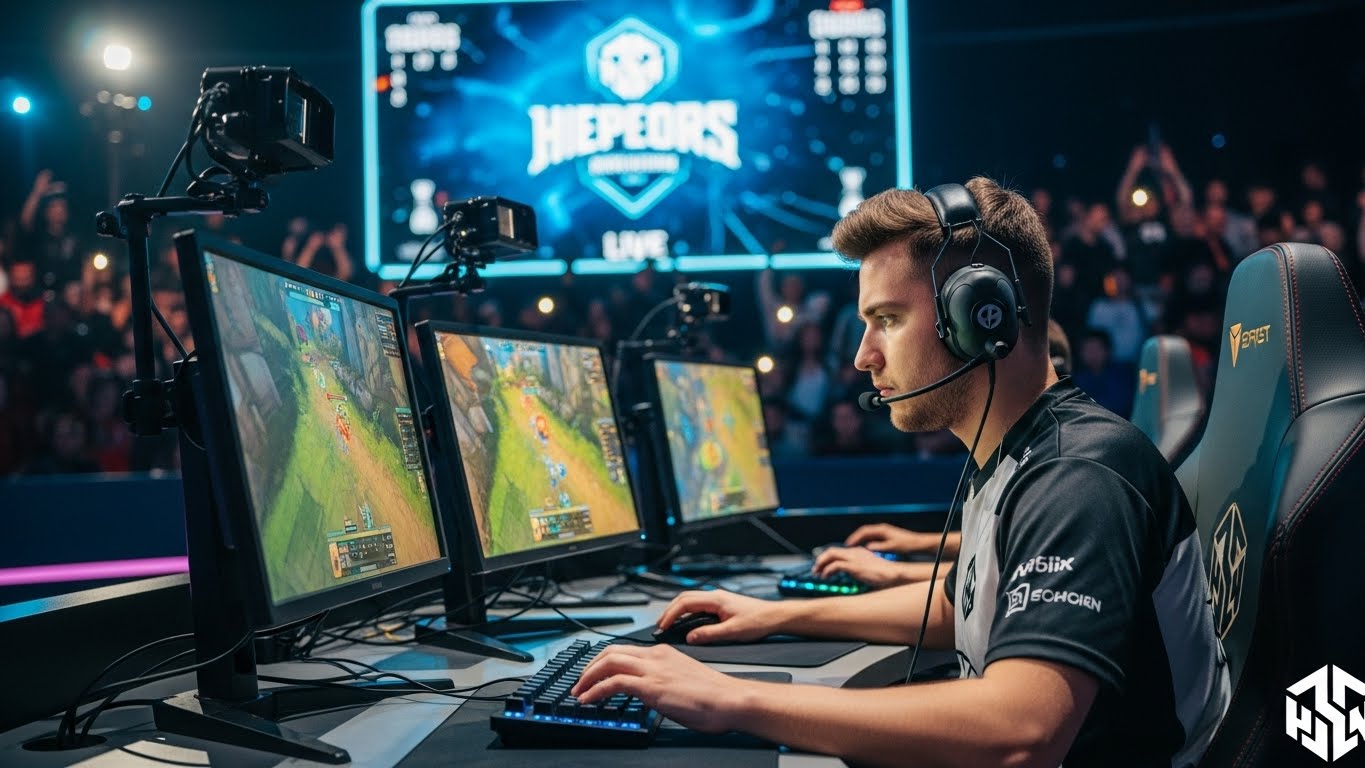
Esports has evolved beyond casual play into a legitimate career path. Professional esports athletes train rigorously, often dedicating 8 to 12 hours a day to practice, strategy, and physical conditioning to maintain peak performance. Teams employ coaches, analysts, nutritionists, and mental health experts, mirroring the structure of traditional sports organizations.
The career opportunities extend beyond players. Broadcasters, commentators, event organizers, marketing professionals, and game developers all contribute to the esports ecosystem. This growth has created an entirely new industry, offering sustainable employment while encouraging innovation and creativity in gaming, media, and technology.
The Science Behind Esports Performance
Success in esports is not just about talent; it is backed by science and structured training. Cognitive skills such as reaction time, hand-eye coordination, spatial awareness, and decision-making are critical. Many professional players use cognitive drills, vision training, and reflex enhancement exercises to sharpen these abilities.
Physical fitness is also a surprising yet essential component of esports performance. Endurance, posture, and fine motor skills influence gameplay, making strength training, cardio, and stretching routines part of professional training regimens. Nutrition and sleep schedules are monitored to optimize concentration and maintain peak mental function during high-stakes tournaments.
The Role of Technology in Esports
Technology is the backbone of esports. High-performance gaming hardware, reliable internet connectivity, and advanced software platforms enable players to compete at the highest level. Streaming services have revolutionized how audiences engage with esports, providing live coverage, interactive chat, and instant replay features.
Artificial intelligence and analytics have also transformed strategy and preparation. Teams can analyze opponents’ gameplay patterns, identify weaknesses, and develop tailored strategies. Game developers use technology to balance competition, prevent cheating, and maintain fair play. The integration of technology has made esports a sophisticated, data-driven competitive field.
Esports as a Global Phenomenon
Esports is a truly global phenomenon with professional leagues and tournaments in every major continent. The audience is equally diverse, ranging from teenagers in Asia to adults in Europe and North America. International competitions, such as world championships for popular titles, attract millions of viewers online and fill stadiums with fans eager to witness high-level competition.
Cultural differences influence gaming preferences, but esports transcends language and borders. Players and teams from different regions bring unique strategies and styles, enriching the competitive landscape and fostering global collaboration and rivalry. The worldwide reach of esports has created a vibrant, interconnected community united by shared passion.
The Impact of Streaming and Social Media
Streaming platforms have been instrumental in the explosive growth of esports. Platforms allow gamers to broadcast live matches, engage with fans, and build personal brands. Streamers often become influencers, shaping gaming trends and inspiring the next generation of players.
Social media amplifies the reach of esports events, highlights memorable plays, and encourages interaction between fans and players. The combination of streaming and social media has transformed esports into a participatory spectacle where audiences are actively involved in the gaming culture rather than passive observers.
Diversity and Inclusivity in Esports
Esports has made strides in promoting diversity and inclusivity. Unlike many traditional sports that may have physical barriers to participation, esports allows people of all genders, ages, and physical abilities to compete on an equal playing field.
Women’s participation is growing rapidly, with dedicated leagues, tournaments, and professional teams emerging worldwide. Efforts to combat toxicity, harassment, and discrimination within gaming communities are ongoing, fostering a more inclusive environment where talent and dedication are prioritized over background or identity.
Economic Growth and Sponsorships
Esports is no longer just about the games themselves; it is a thriving business ecosystem. Sponsorships from technology companies, apparel brands, energy drinks, and other industries provide financial support for teams, tournaments, and streaming platforms. Prize pools for major events now reach millions of dollars, highlighting the economic impact of competitive gaming.
Investments in esports infrastructure, such as stadiums, training facilities, and content production, are increasing. Cities and organizations recognize the potential of esports tourism and fan engagement, making it a significant contributor to local and global economies.
Challenges Facing Esports
Despite its rapid growth, esports faces challenges. Issues such as mental health, burnout, and overtraining are increasingly prevalent among professional players. The pressure to perform consistently can be intense, requiring comprehensive support systems.
Regulation and standardization remain limited compared to traditional sports. Different games, leagues, and regions operate independently, leading to inconsistencies in rules, player contracts, and tournament structures. Cheating and hacking are ongoing threats, necessitating constant vigilance and technological solutions.
Additionally, societal perceptions still lag behind. Many still view gaming as entertainment rather than a legitimate profession, although this is gradually changing as esports continues to gain recognition and mainstream acceptance.
The Future of Esports
The future of esports is promising, with continued growth expected in participation, viewership, and professional opportunities. Virtual reality and augmented reality could introduce entirely new forms of competitive gaming, providing immersive experiences for players and audiences.
Educational programs and esports academies are emerging, offering structured pathways for aspiring players. Integration with traditional sports organizations and media networks could further increase legitimacy and visibility. As technology advances and cultural acceptance grows, esports may become as mainstream and respected as any conventional sport.
Conclusion: Redefining Competition in the Digital Age
Esports represents a fundamental shift in the world of competitive activity. It combines skill, strategy, mental acuity, and digital technology to create a form of competition that is both unique and universally appealing. The industry continues to grow, offering professional careers, global entertainment, and cultural influence.
Beyond the competition, esports inspires innovation, fosters community, and challenges traditional notions of sports and athleticism. It is more than just playing games—it is a testament to human adaptability, creativity, and the desire to connect and compete in an increasingly digital world.
Esports is no longer the pastime of a few; it is a global movement shaping the future of competition, entertainment, and digital culture, proving that excellence can be achieved not only on fields and courts but also beyond the screen.