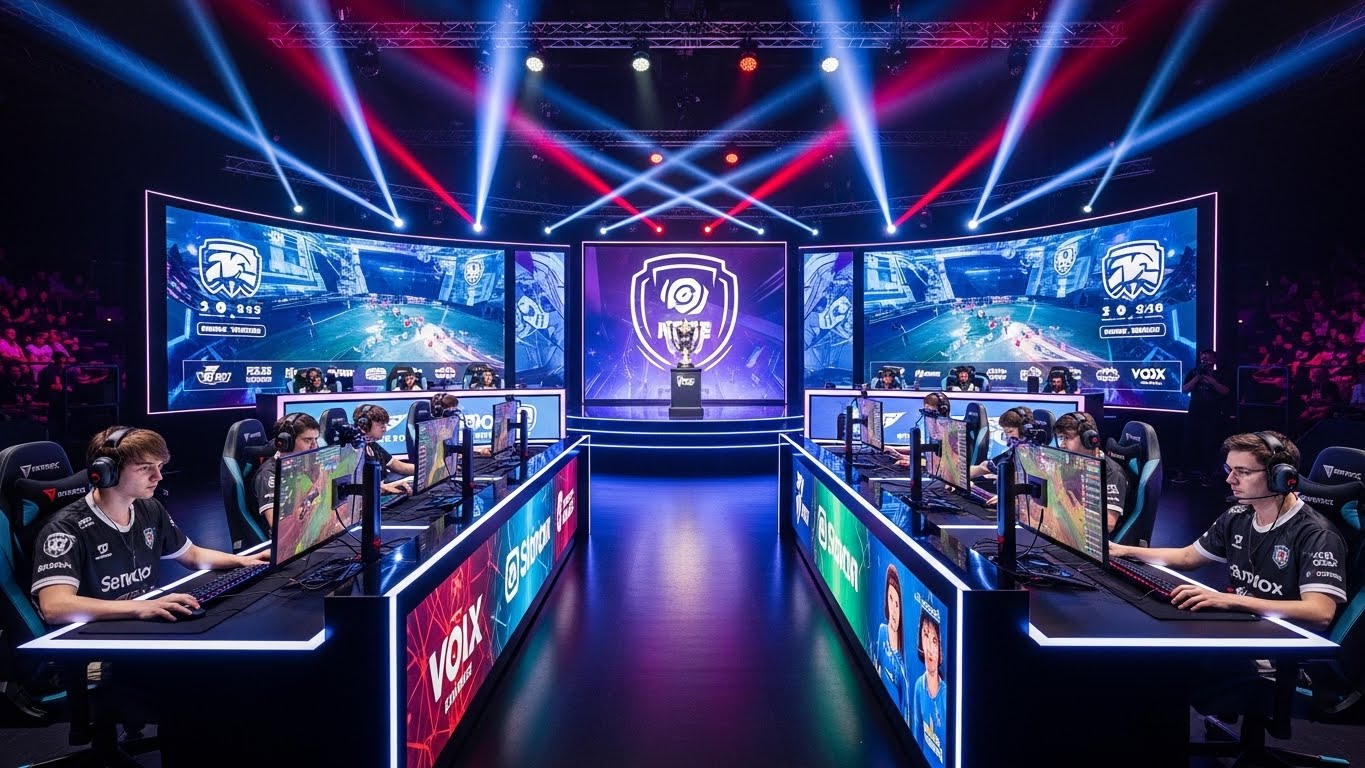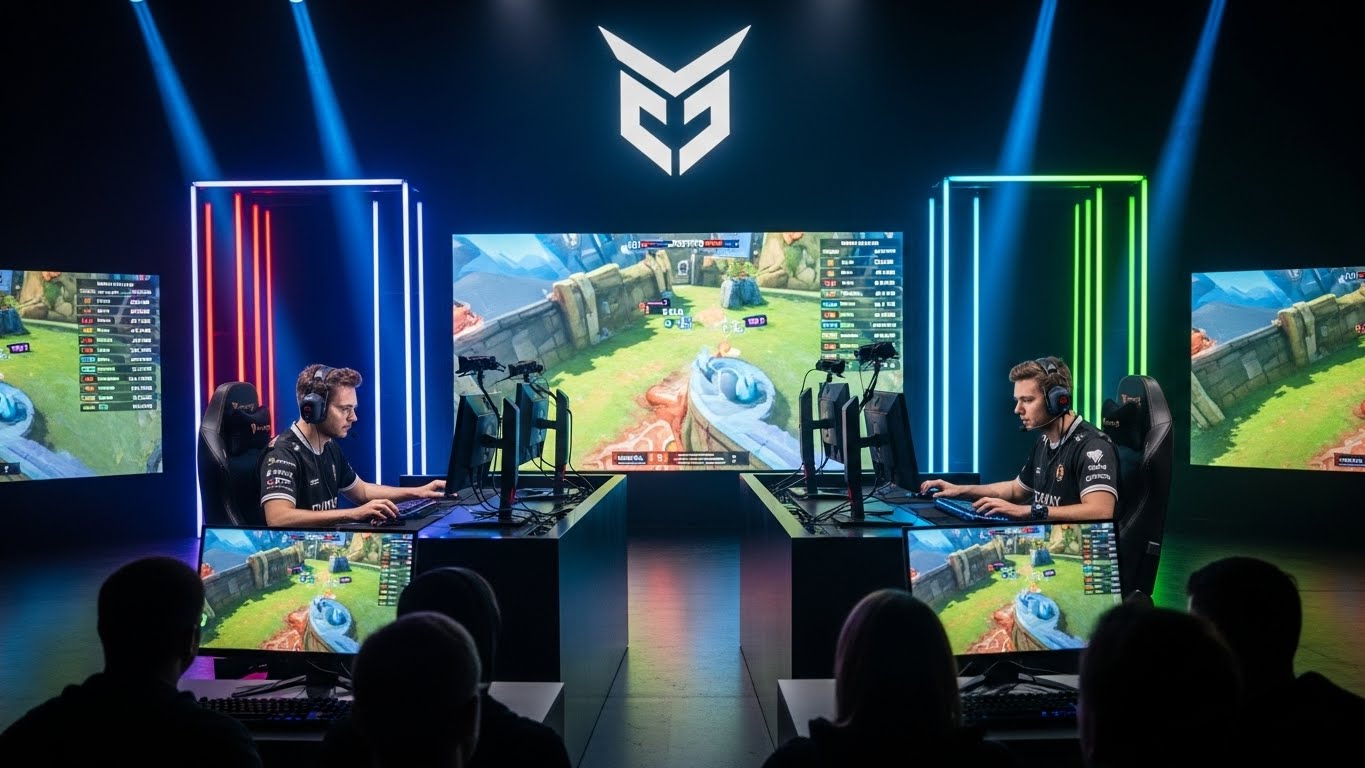
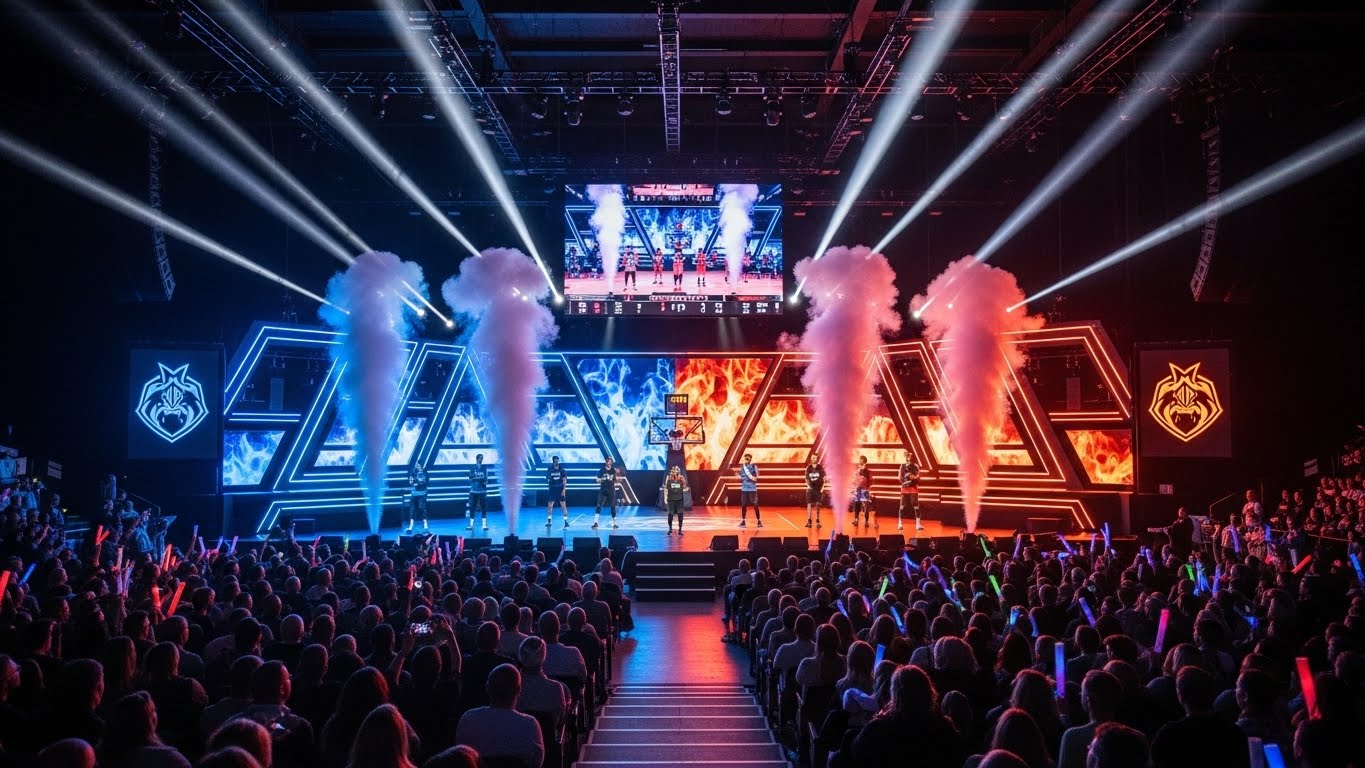
Esports, or competitive video gaming, has evolved from a niche hobby to a global phenomenon. What started as informal gaming competitions among friends has transformed into a multi-billion-dollar industry with professional leagues, international tournaments, and dedicated fan bases. This blog explores how esports is reshaping competition, entertainment, and community in the 21st century.
Understanding Esports: More Than Just Games
At its core, esports involves organized, competitive video gaming. Players or teams compete in a variety of games that test strategy, reflexes, teamwork, and mental agility. Unlike casual gaming, esports emphasizes structured competition, rigorous training, and performance under pressure.
Popular esports titles span multiple genres, from first-person shooters and real-time strategy games to battle royales and sports simulations. Each game requires a unique skill set, offering players opportunities to specialize and excel. Beyond entertainment, esports challenges traditional notions of sports and competition, proving that digital arenas can produce the same intensity, dedication, and excitement as physical sports.
The Professionalization of Esports
Esports has rapidly professionalized over the past decade. Teams have coaches, analysts, and support staff, mirroring traditional sports organizations. Players undergo rigorous training schedules, often exceeding eight hours a day, focusing on skill refinement, strategy development, and mental conditioning.
Professional esports players also manage media responsibilities, sponsorship commitments, and fan engagement. Their performance is evaluated not only by wins and losses but also by metrics such as accuracy, efficiency, and strategic decision-making. This professional ecosystem highlights esports as a legitimate career path, attracting talent from around the globe.
The Global Esports Market
The esports industry has witnessed exponential growth, fueled by technological advancements, streaming platforms, and sponsorship deals. Tournaments now attract millions of viewers worldwide, with prize pools reaching millions of dollars. Major events, such as world championships in games like League of Legends or Dota 2, rival traditional sports events in viewership and production scale.
Sponsorship and advertising play a significant role in the esports economy. Brands recognize the influence of esports players and events, investing in partnerships that reach a highly engaged, digitally native audience. This global market continues to expand, driving innovation and elevating esports to mainstream recognition.
Esports and Streaming Platforms
Streaming platforms are the lifeblood of esports culture. Services like Twitch, YouTube Gaming, and other live streaming platforms allow fans to watch tournaments, follow professional players, and participate in interactive communities. Unlike traditional sports broadcasts, esports streams often feature direct fan engagement through chat, commentary, and interactive overlays.
These platforms also provide opportunities for aspiring players to showcase talent, build personal brands, and attract sponsorships. The democratization of content creation has created a diverse and inclusive ecosystem where anyone with skill and creativity can gain recognition.
The Psychological and Cognitive Benefits of Esports
Esports is not only a test of reflexes and hand-eye coordination; it also promotes cognitive development and mental agility. Players develop strategic thinking, problem-solving skills, and adaptability as they respond to dynamic game scenarios. Team-based games enhance communication, leadership, and collaboration.
Moreover, esports encourages discipline and focus. Players must manage practice schedules, analyze opponents, and refine techniques, developing skills that transfer to academic, professional, and personal contexts. Mental resilience is critical, as players face high-pressure situations, losses, and intense competition regularly.
Esports as a Social Platform
One of the most compelling aspects of esports is its social dimension. Online multiplayer games connect individuals from different countries, cultures, and backgrounds. Players form teams, guilds, and communities, fostering friendships and a sense of belonging.
Spectatorship also creates social interaction. Fans discuss strategies, celebrate victories, and share experiences within virtual and real-world spaces. Esports has thus become a powerful medium for social connection, bridging geographic and cultural gaps.
Esports and Youth Engagement
Esports resonates strongly with younger generations. Millennials and Gen Z view esports as both entertainment and a potential career path. Schools and universities have begun integrating esports programs, providing scholarships, training facilities, and competitive opportunities.
Participation in esports cultivates essential skills such as critical thinking, teamwork, and digital literacy. Unlike traditional sports, esports is accessible to a broader range of participants, requiring minimal physical resources while still emphasizing commitment and skill development.
Diversity and Inclusion in Esports
Esports has the potential to be a more inclusive form of competition compared to traditional sports. Players from various backgrounds, genders, and abilities can compete on equal footing. While challenges like representation and harassment exist, the esports community continues to promote initiatives for diversity, equity, and inclusion.
Female esports players, for instance, are gaining recognition and breaking barriers, inspiring younger generations to pursue gaming competitively. Similarly, adaptive esports programs cater to players with disabilities, highlighting the accessibility of digital competition.
The Economic Impact of Esports
The economic influence of esports extends beyond tournament prize pools. Job opportunities span game development, marketing, event management, commentary, and coaching. Streaming content, merchandise, and sponsorship deals contribute significantly to local and global economies.
Cities hosting esports events experience boosts in tourism, hospitality, and related industries. The digital-first nature of esports also encourages innovation in technology, analytics, and virtual experiences, further expanding its economic footprint.
Health Considerations in Esports
While esports offers numerous benefits, it also presents health challenges. Extended screen time, sedentary behavior, and irregular sleep patterns can negatively affect physical health. Professional players must incorporate fitness routines, ergonomic practices, and mental health strategies to maintain performance and well-being.
Awareness of these concerns has led to the development of holistic training programs. Mental coaches, physiotherapists, and nutritionists work with players to ensure sustainable careers and overall wellness. Balancing physical and mental health is crucial for longevity in esports.
The Future of Esports
The future of esports looks promising, with technological innovations and cultural acceptance driving growth. Virtual reality, augmented reality, and AI integration could transform gaming experiences and competition formats. Global esports tournaments are likely to become even more immersive, interactive, and accessible.
Esports may also integrate more closely with traditional sports, as hybrid competitions, cross-training, and skill-sharing emerge. Educational institutions, corporate organizations, and entertainment companies will continue to explore esports as a platform for engagement, learning, and economic opportunity.
Conclusion: Esports as a Cultural and Competitive Force
Esports has transcended its origins as casual gaming to become a major cultural and competitive force. It combines strategy, skill, and community in ways that redefine the concept of sports for the digital age. Professional players, fans, and developers all contribute to a vibrant ecosystem that continues to grow worldwide.
The rise of esports demonstrates that competition and entertainment can evolve with technology while maintaining the timeless values of dedication, teamwork, and resilience. As esports continues to gain prominence, it challenges traditional perceptions of sports, opens doors for innovation, and connects people across cultures and generations.
Esports is more than just playing video games—it is a platform for personal development, social engagement, and global community building. Its impact on culture, economy, and individual growth will only expand as digital competition becomes an integral part of modern life.
In the coming years, esports will continue to inspire, entertain, and unite players and fans alike, proving that the spirit of competition thrives as much in digital arenas as it does on traditional fields.