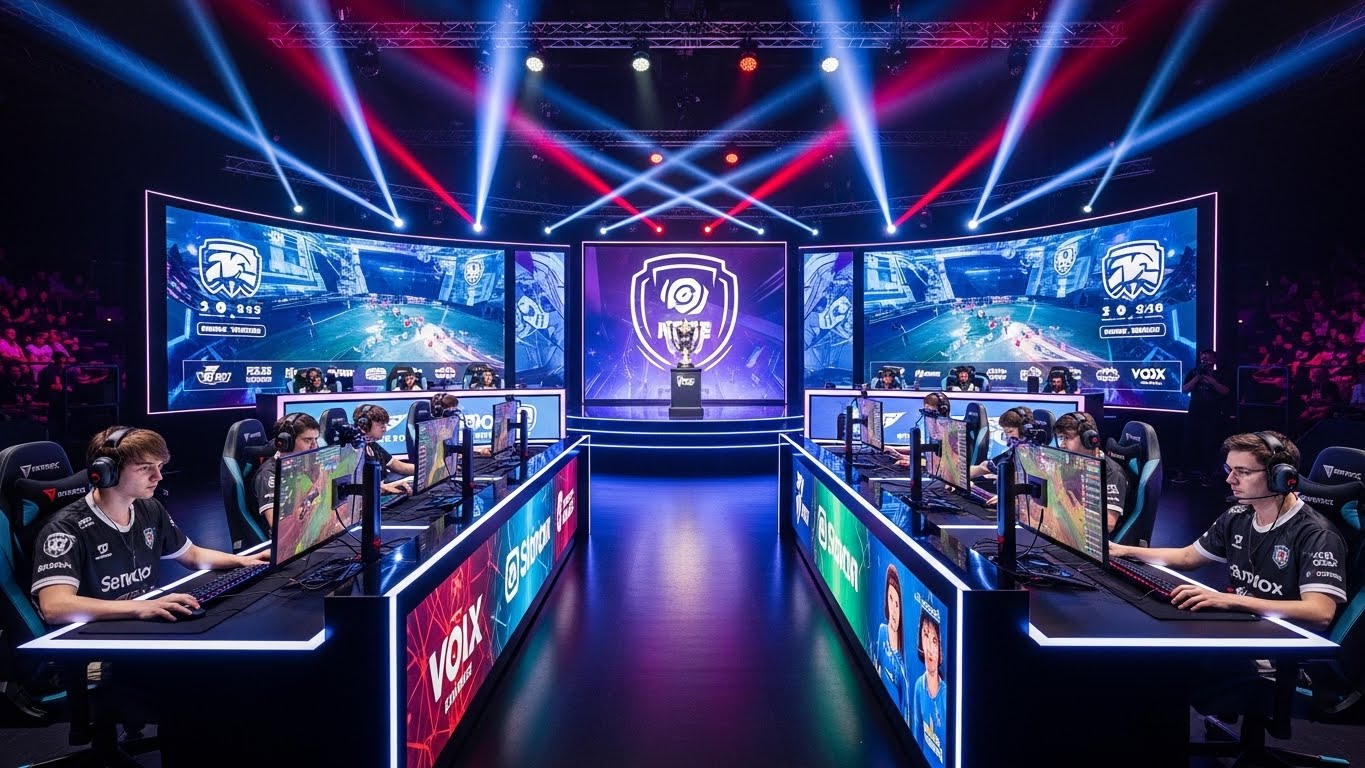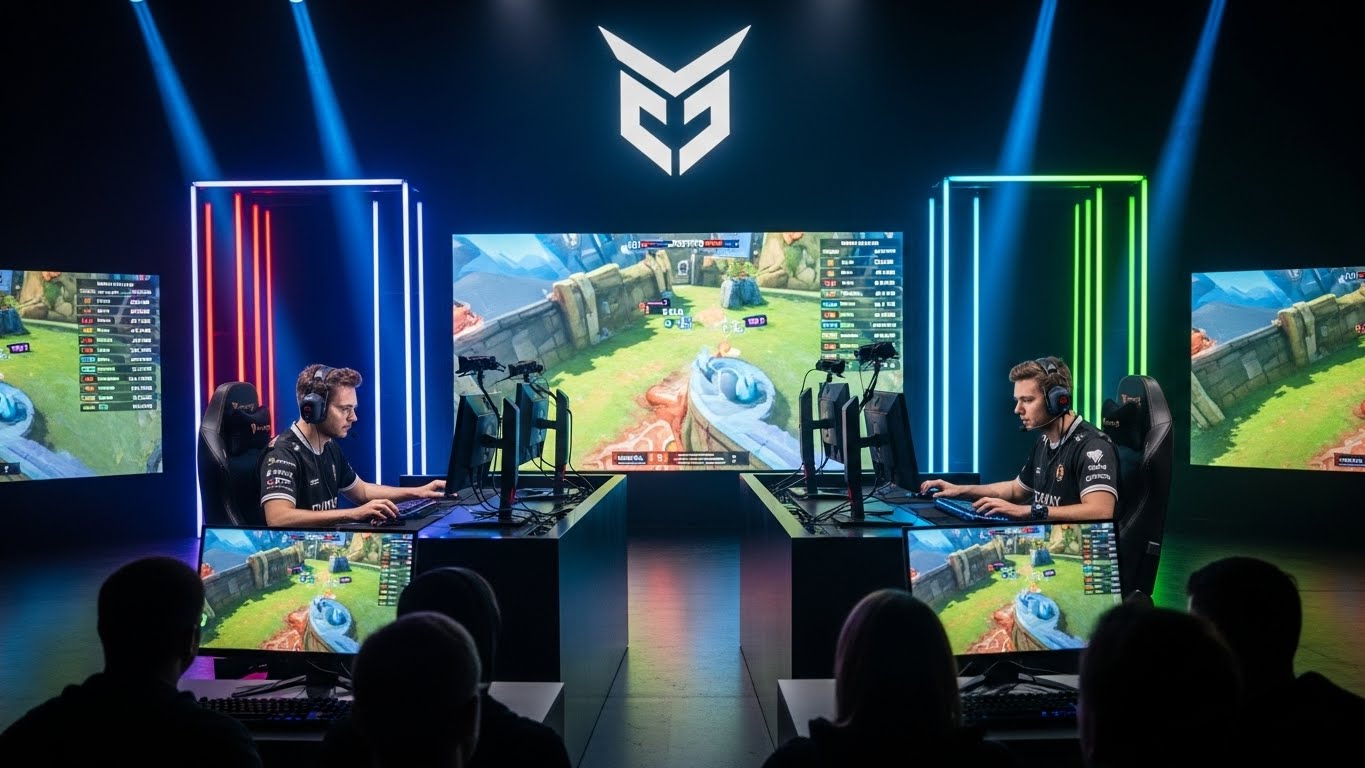

Esports has emerged as one of the most dynamic and influential forms of modern entertainment. What once started as casual gaming among friends has evolved into a global competitive industry with professional players, massive audiences, and cultural significance. Esports is no longer just about playing video games; it is about strategy, discipline, teamwork, and digital innovation. This blog explores the rise of esports, its impact on society, and why it represents the future of competition.
Understanding Esports in the Modern Age
Esports, short for electronic sports, refers to organized competitive video gaming where individuals or teams compete under structured rules. Unlike casual gaming, esports requires extensive practice, strategic planning, and high-level performance. Players train for hours each day to master mechanics, improve reaction time, and develop game intelligence.
Esports titles span multiple genres, including strategy games, shooters, sports simulations, and multiplayer battle arenas. Each genre demands unique skills, making esports a diverse competitive field. The digital nature of esports allows competitions to take place online or in large arenas, reaching audiences across the globe.
The Journey from Hobby to Profession
The transformation of esports from a hobby to a profession marks one of the most significant shifts in modern entertainment. Early competitions were informal and community-driven, but technological advancements enabled larger tournaments and global participation. Over time, esports organizations formed, offering structured leagues and professional opportunities.
Today, professional esports players sign contracts, earn salaries, and compete full-time. Teams employ coaches, analysts, psychologists, and fitness trainers. This professional ecosystem mirrors traditional sports, proving that esports demands dedication, discipline, and long-term commitment.
Skill, Strategy, and Mental Strength
Esports requires far more than quick reflexes. Players must demonstrate advanced strategic thinking, adaptability, and decision-making under pressure. Every match involves analyzing opponents, coordinating with teammates, and executing complex strategies in real time.
Mental resilience plays a critical role in esports performance. Players face intense competition, public scrutiny, and high expectations. Learning to manage stress, recover from losses, and maintain focus is essential. These mental skills often transfer into real-life problem-solving and personal development.
Teamwork in the Digital Battlefield
Team-based esports highlight the importance of collaboration and communication. Success depends on how well players coordinate roles, share information, and trust one another. Effective teamwork allows teams to adapt quickly and capitalize on opportunities during matches.
Even individual esports players rely on support systems that include coaches and analysts. These relationships foster leadership, accountability, and cooperation. Esports demonstrates that teamwork is just as vital in digital competition as it is in physical sports.
Global Reach and Cultural Influence
Esports has become a truly global phenomenon. Players and fans from different countries participate in shared digital spaces, creating a worldwide community. International tournaments bring together diverse cultures, fostering mutual respect and understanding through competition.
The cultural impact of esports extends beyond gameplay. Professional players become role models, influencing fashion, language, and online trends. Esports has shaped a new generation of digital culture where skill, creativity, and innovation are celebrated.
The Role of Streaming and Fan Engagement
Streaming platforms have revolutionized how esports is experienced. Fans can watch live matches, follow their favorite players, and interact through real-time discussions. This level of engagement creates a strong bond between players and audiences.
Unlike traditional sports, esports allows fans to access behind-the-scenes content, training sessions, and personal insights. This transparency strengthens community connections and makes fans feel like active participants rather than passive viewers.
Youth, Education, and Esports
Esports resonates strongly with younger generations who grew up in digital environments. Many students see competitive gaming as both a passion and a potential career path. Educational institutions have begun recognizing esports as a legitimate extracurricular activity.
Participation in esports helps students develop valuable skills such as strategic thinking, communication, time management, and digital literacy. When structured responsibly, esports programs promote teamwork, discipline, and personal growth.
Diversity and Accessibility in Esports
One of esports’ greatest strengths is accessibility. Unlike traditional sports, esports does not depend on physical strength or specific body types. Players of different genders, abilities, and backgrounds can compete on equal footing.
Efforts to promote diversity and inclusion continue to grow. Initiatives supporting women, marginalized communities, and players with disabilities are expanding opportunities within esports. This inclusivity makes esports a powerful platform for representation and equality.
Economic Power of the Esports Industry
The esports industry has become a major economic force. Revenue streams include tournaments, sponsorships, merchandise, media production, and content creation. Thousands of jobs exist within esports, ranging from game development to event management.
Large esports events contribute to local economies by attracting audiences and boosting tourism. The industry’s growth also drives innovation in technology, broadcasting, and digital marketing, reinforcing esports as a key player in the global economy.
Health and Wellness Challenges
Despite its many benefits, esports presents health challenges. Long hours of screen time, repetitive movements, and high-pressure environments can affect physical and mental well-being. Without proper balance, players risk burnout and injury.
Professional esports organizations now emphasize holistic health approaches. Physical exercise, proper posture, mental health support, and structured schedules help players maintain long-term performance. Awareness and education are essential for sustainable esports careers.
Technology Driving Competitive Gaming
Technology lies at the heart of esports. Advancements in gaming hardware, software, and analytics continue to elevate competition. High-performance equipment, real-time data analysis, and enhanced broadcasting improve both gameplay and viewer experience.
Emerging technologies such as virtual reality and artificial intelligence are expected to reshape esports further. These innovations will introduce new competitive formats and immersive experiences, pushing the boundaries of digital competition.
The Future of Esports Competition
The future of esports is filled with potential. As acceptance grows, esports will become more integrated into mainstream culture. Collaborations with traditional sports, educational systems, and entertainment industries are likely to expand.
Esports may also play a role in workforce development, training programs, and digital skill-building initiatives. Its adaptability ensures that esports will continue evolving alongside technology and societal change.
Conclusion: Esports as the New Competitive Frontier
Esports represents a new era of competition where skill, strategy, and technology intersect. It has transformed gaming into a global cultural movement that empowers players, connects communities, and drives innovation.
Beyond entertainment, esports fosters discipline, teamwork, and resilience. It challenges traditional ideas of sports while proving that competitive spirit thrives in digital spaces. As esports continues to grow, it will remain a defining force of modern culture, shaping how people compete, connect, and create in the digital age.