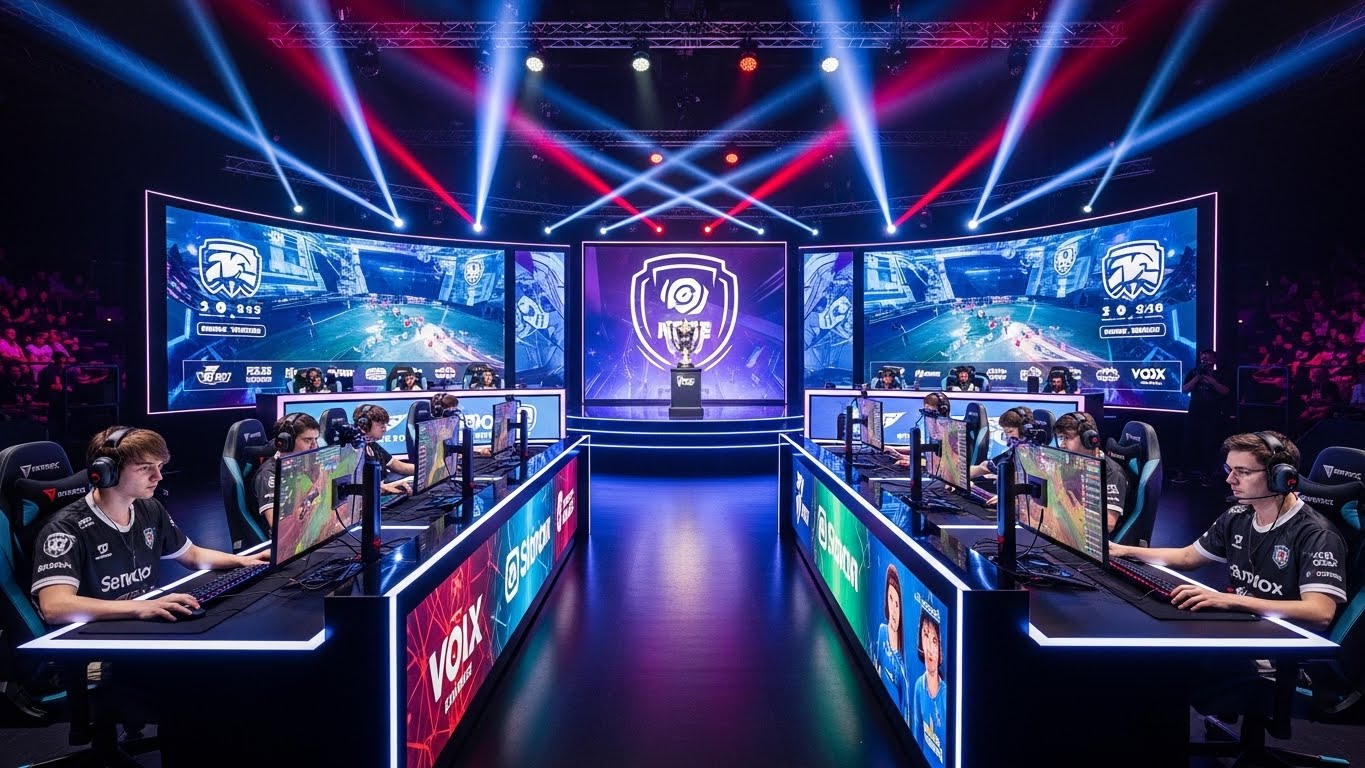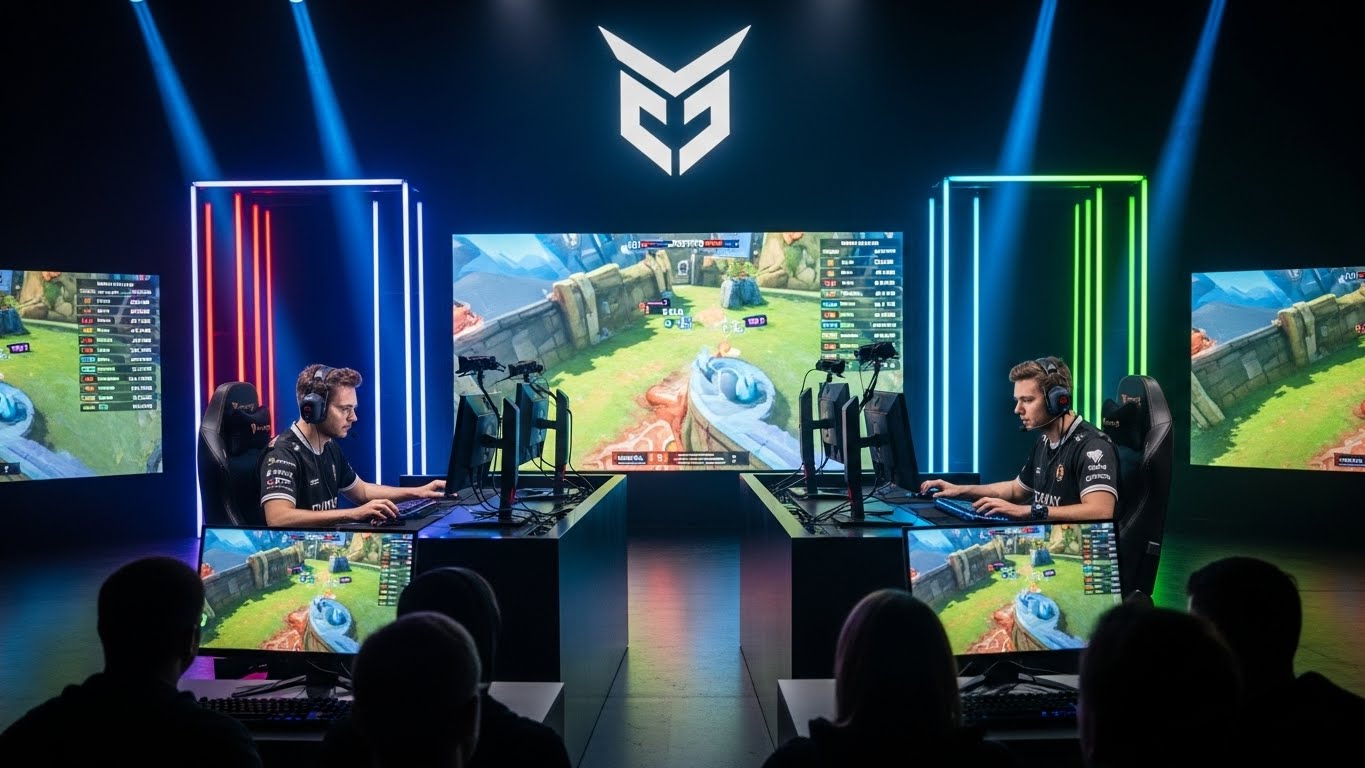

Esports has transformed from a pastime enjoyed in bedrooms and internet cafés into a global competitive movement commanding stadiums, sponsorships, and millions of devoted fans. What once seemed like casual gaming has evolved into a disciplined, high-pressure arena where skill, strategy, and mental resilience determine success. Esports is not just changing how games are played; it is reshaping entertainment, careers, and digital culture. This blog explores the journey of esports, its impact on individuals and society, and why it represents the future of competition.
Understanding Esports
Esports, short for electronic sports, refers to organized competitive video gaming where players or teams compete under formal rules and structured tournaments. Unlike casual gaming, esports requires extensive training, deep understanding of game mechanics, and precise execution. Matches are often broadcast to live audiences, with professional commentary and analysis.
Esports includes a wide range of game genres, such as strategy games, shooters, sports simulations, and multiplayer battle arenas. Each genre tests different skills, from tactical planning and teamwork to reaction speed and accuracy. This diversity makes esports a broad and inclusive competitive field.
From Casual Play to Professional Careers
The journey of esports from informal competition to professional industry is a story of technological growth and community passion. Early competitive gaming was limited to local tournaments and small gatherings. As internet access improved, online competitions allowed players from different regions to compete, accelerating the growth of esports.
Today, esports offers legitimate career paths. Professional players sign contracts, earn salaries, and compete internationally. Teams operate like traditional sports organizations, complete with coaches, analysts, managers, and support staff. Beyond players, esports has created opportunities in broadcasting, event management, marketing, design, and content creation.
The Skill Behind the Screen
Esports demands a high level of skill that goes far beyond button pressing. Players must master complex mechanics, memorize maps, understand in-game economics, and adapt to constantly changing situations. Strategic thinking and quick decision-making are essential in every match.
Mental strength is equally important. Competitive gaming involves intense pressure, long practice hours, and public performance. Players must stay focused, manage stress, and recover quickly from mistakes. This mental discipline often mirrors the demands faced by athletes in traditional sports.
Teamwork and Communication
Team-based esports highlight the importance of collaboration. Success depends on how well players communicate, coordinate strategies, and support one another. Clear communication during fast-paced matches can mean the difference between victory and defeat.
Players learn to trust teammates, accept feedback, and adapt roles for the benefit of the team. These skills are valuable beyond gaming, reinforcing leadership, accountability, and cooperation. Esports demonstrates that teamwork thrives not only on physical fields but also in digital arenas.
Esports as a Cultural Movement
Esports has grown into a global cultural phenomenon. Fans across continents follow teams, celebrate players, and engage in online communities. Major tournaments attract massive audiences and create shared experiences that unite people regardless of location or background.
Esports has also influenced fashion, language, and online trends. Professional players and streamers become influential figures, shaping digital culture and inspiring younger generations. The community-driven nature of esports fosters creativity, inclusivity, and a strong sense of belonging.
Streaming and Fan Interaction
Streaming has played a crucial role in the rise of esports. Live broadcasts allow fans to watch matches in real time, interact with commentators, and engage with other viewers. This interactivity makes esports more immersive than traditional spectator sports.
Fans can also follow players outside tournaments, gaining insight into training routines, strategies, and personalities. This direct connection strengthens loyalty and transforms fans into active participants within the esports ecosystem.
Youth, Education, and Skill Development
Esports strongly resonates with younger generations who are comfortable in digital environments. Many students view competitive gaming as both a passion and a pathway to future opportunities. Educational institutions are increasingly recognizing esports as a valuable extracurricular activity.
Participation in esports helps develop transferable skills such as strategic thinking, time management, communication, and digital literacy. Structured esports programs can promote discipline, teamwork, and goal setting, making them beneficial beyond entertainment.
Inclusivity and Accessibility
One of the defining strengths of esports is accessibility. Unlike many physical sports, esports does not rely on physical strength or specific body types. Players of different genders, abilities, and backgrounds can compete on equal footing.
Efforts to promote inclusivity are growing within the esports community. Initiatives supporting women, underrepresented groups, and players with disabilities are helping make competitive gaming more welcoming. Esports has the potential to be one of the most inclusive competitive spaces in modern culture.
Economic Impact of Esports
The esports industry has become a significant economic force. Revenue is generated through tournaments, sponsorships, merchandise, media production, and content creation. These activities support thousands of jobs worldwide.
Large esports events contribute to local economies by attracting audiences, creating employment, and boosting tourism. The industry also drives innovation in technology, broadcasting, and digital marketing, reinforcing esports as a serious and sustainable business sector.
Health and Lifestyle Challenges
Despite its benefits, esports presents health challenges. Long hours of practice can lead to physical strain, eye fatigue, and mental burnout. The pressure to perform at high levels can also impact mental well-being.
Professional organizations increasingly emphasize balanced lifestyles. Physical fitness, proper posture, mental health support, and structured schedules are becoming standard in competitive teams. Promoting healthy habits is essential for long-term success and player longevity.
Technology at the Core of Esports
Technology is the foundation of esports. Advances in gaming hardware, software, and analytics continue to elevate competition. High-performance equipment ensures fairness and precision, while data analysis helps teams refine strategies and improve performance.
Broadcasting technology enhances viewer experience with detailed statistics, replays, and immersive visuals. As technology evolves, esports will continue to push the boundaries of digital competition and entertainment.
The Future of Competitive Gaming
The future of esports is filled with opportunity. As acceptance grows, esports will integrate further into mainstream culture, education, and entertainment. Collaborations with traditional sports, media, and technology sectors are likely to expand.
New game formats, improved training tools, and enhanced fan engagement will shape the next generation of esports. With its adaptability and global reach, esports is positioned to remain a leading force in competitive entertainment.
Conclusion: Esports as the New Arena of Competition
Esports represents a new frontier where technology, skill, and community converge. It has transformed gaming into a global competitive movement that inspires players and unites fans. Beyond entertainment, esports fosters discipline, teamwork, and resilience while opening doors to new careers and opportunities.
As esports continues to evolve, it challenges traditional definitions of sports and competition. It proves that passion, dedication, and excellence can thrive in digital spaces just as powerfully as on physical fields. Esports is not a passing trend; it is a defining element of modern culture, shaping how people compete, connect, and create in the digital age.