Introduction: The Digital Arena Takes Center Stage
Esports, once dismissed as a niche pastime for gamers, has evolved into a global phenomenon that rivals traditional sports in viewership, revenue, and cultural impact. What began in small gaming cafes and local tournaments has grown into sold-out arenas, multi-million-dollar prize pools, and professional athletes with massive fan followings. Esports is no longer just about playing video games; it is about competition, strategy, entertainment, technology, and community. This blog explores how esports emerged, why it matters today, and how it is shaping the future of sports and digital culture.
The Origins of Esports: From Arcades to Arenas
The roots of esports trace back to the early days of video gaming. In the late twentieth century, players gathered around arcade machines to compete for high scores, often drawing crowds of spectators. As home consoles and personal computers became more widespread, competitive gaming moved into living rooms and online spaces. Early tournaments were modest, but they laid the foundation for organized competition.
The rise of the internet played a crucial role in esports growth. Online multiplayer games allowed players from different regions to compete in real time, fostering rivalries and communities beyond geographical boundaries. Over time, developers began designing games specifically with competitive balance in mind, further legitimizing esports as a serious form of competition.
What Defines Esports Today
Modern esports is defined by structure, professionalism, and scale. Professional teams are managed like traditional sports franchises, complete with coaches, analysts, training schedules, and sponsorship deals. Players sign contracts, earn salaries, and dedicate years to mastering their craft.
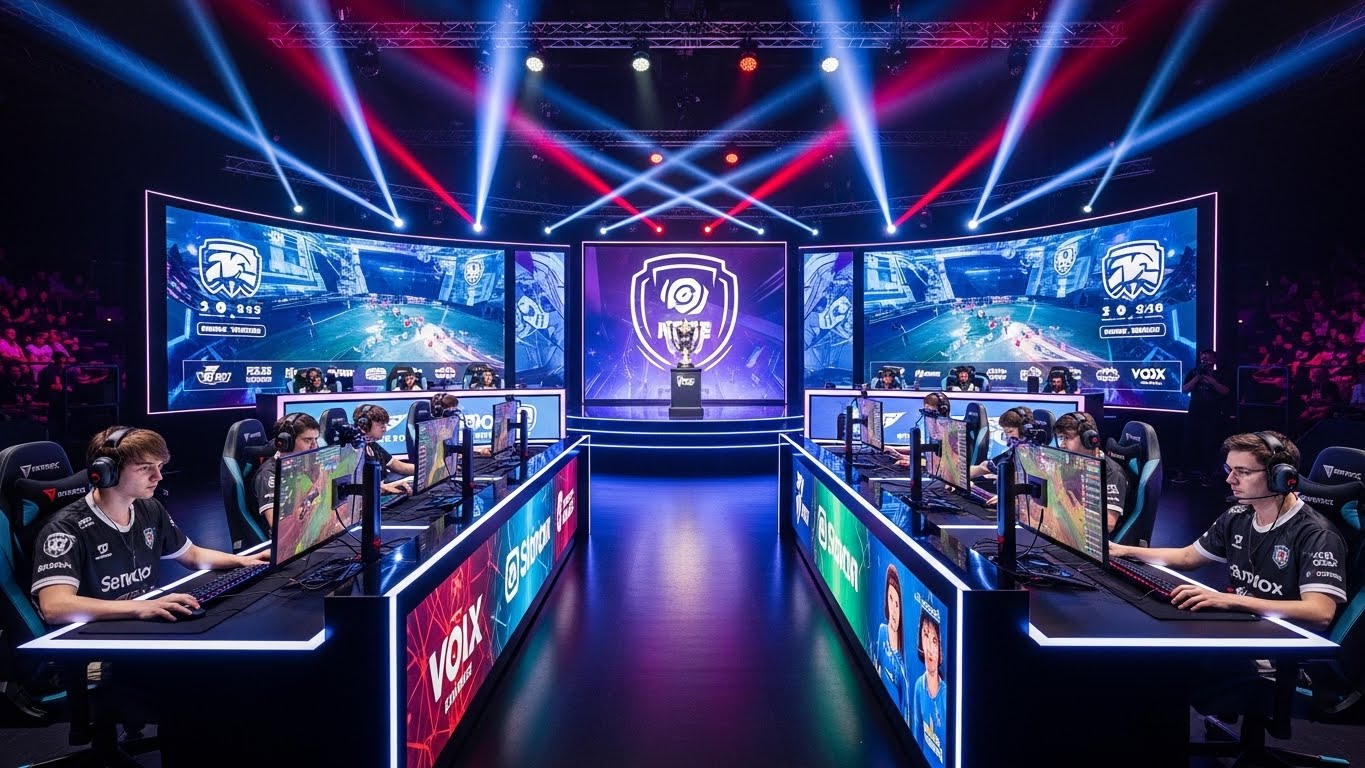
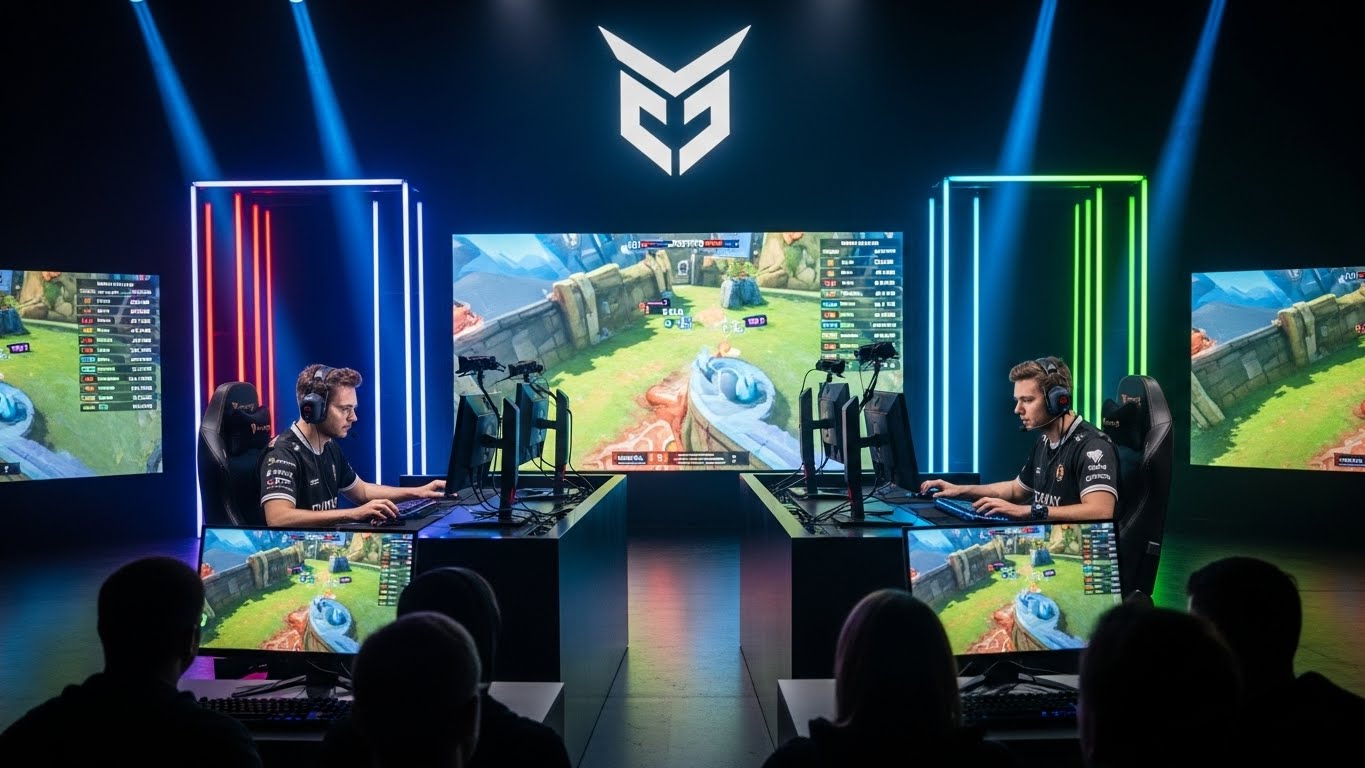
Esports titles span multiple genres, including strategy, first-person shooters, sports simulations, and battle arenas. Each game demands a unique set of skills, from lightning-fast reflexes to deep strategic thinking and flawless teamwork. Matches are broadcast live to millions of viewers, often with expert commentators who break down plays and analyze strategies in real time.
The Skill and Discipline Behind the Screen
A common misconception about esports is that it lacks physical or mental rigor. In reality, professional players undergo intense training regimens. Reaction time, hand-eye coordination, decision-making under pressure, and communication are critical skills. Players often practice for hours each day, reviewing gameplay footage and refining strategies.
Mental resilience is equally important. High-stakes matches can hinge on a single mistake, and players must perform under immense pressure while being watched by massive audiences. Maintaining focus, managing stress, and adapting quickly to opponents’ tactics are all essential elements of success in esports.
Esports as Entertainment and Spectacle
One of the key reasons for esports’ explosive growth is its entertainment value. Esports events are designed to be immersive experiences, blending competition with music, visual effects, storytelling, and fan interaction. Spectators are not just watching a game; they are engaging with a narrative of rivalries, underdogs, and championship dreams.
The accessibility of esports also contributes to its popularity. Fans can easily watch matches from anywhere, participate in live chats, and follow their favorite players on social platforms. This direct connection between athletes and audiences creates a sense of community that is often stronger than in traditional sports.
Economic Impact and Industry Growth
Esports has become a significant economic force. Revenue streams include sponsorships, advertising, merchandise, ticket sales, media rights, and in-game purchases. Major brands from technology, fashion, food, and finance have entered the esports space, recognizing its ability to reach younger, digitally native audiences.
Job opportunities in esports extend far beyond professional players. The industry supports roles in event management, marketing, broadcasting, game design, data analysis, coaching, and content creation. Universities and educational institutions have begun offering esports programs and scholarships, further legitimizing it as a viable career path.
Cultural Influence and Global Reach
Esports is inherently global. Players and teams from different countries compete on equal footing, united by shared rules and digital platforms. This international nature fosters cultural exchange and collaboration, making esports one of the most inclusive forms of competition.
The influence of esports extends into fashion, music, and lifestyle. Team jerseys are worn as streetwear, gaming soundtracks gain mainstream popularity, and esports personalities become influencers beyond the gaming world. For many young people, esports represents identity, aspiration, and belonging.
Challenges Facing the Esports Ecosystem
Despite its success, esports faces several challenges. Player burnout is a growing concern, as intense schedules and constant competition can take a toll on mental and physical health. Ensuring fair play, preventing cheating, and maintaining competitive integrity are ongoing priorities.
There is also the challenge of sustainability. Rapid growth has led to inflated expectations in some areas, and organizations must balance investment with long-term stability. Developing consistent regulations, player protections, and ethical standards will be crucial for esports to mature responsibly.
Esports and Traditional Sports: A New Relationship
Rather than replacing traditional sports, esports is increasingly intersecting with them. Many sports organizations have launched their own esports teams or leagues, recognizing the value of digital engagement. Athletes from traditional sports often participate in gaming, while esports players adopt training and branding strategies inspired by conventional athletics.
This convergence highlights a broader shift in how society defines sports and competition. Skill, dedication, and audience engagement matter as much as physical location or equipment. Esports challenges outdated notions of what it means to be an athlete.
The Role of Technology in Shaping the Future
Technology is the backbone of esports. Advances in hardware, software, and connectivity continue to enhance gameplay and viewing experiences. Virtual reality, augmented reality, and artificial intelligence are poised to introduce new dimensions to competitive gaming.
Data analytics is another transformative force. Teams analyze vast amounts of gameplay data to optimize strategies and improve performance. Fans also benefit, gaining deeper insights into matches and player decisions. As technology evolves, esports will likely become even more immersive and interactive.
The Future of Esports: Beyond Competition
Looking ahead, esports is set to expand beyond traditional tournaments. Educational initiatives, grassroots leagues, and community-driven events will play a larger role in nurturing talent. Esports may also become more integrated into mainstream media, with storytelling formats that appeal to broader audiences.
The line between player and fan may continue to blur, as interactive platforms allow viewers to influence events, vote on outcomes, or participate directly. Esports’ adaptability and innovation suggest that its growth is far from over.
Conclusion: A New Era of Digital Sport
Esports represents a fundamental shift in how competition, entertainment, and community are experienced in the digital age. It combines the thrill of sport with the creativity of gaming and the connectivity of modern technology. More than just a trend, esports is a reflection of changing cultural values and technological possibilities.
As it continues to evolve, esports will challenge perceptions, create opportunities, and inspire a new generation of competitors and fans. Beyond the screen lies a dynamic world where skill, passion, and innovation converge, redefining what it means to play, watch, and belong in the world of sports.