Introduction to the Esports Revolution
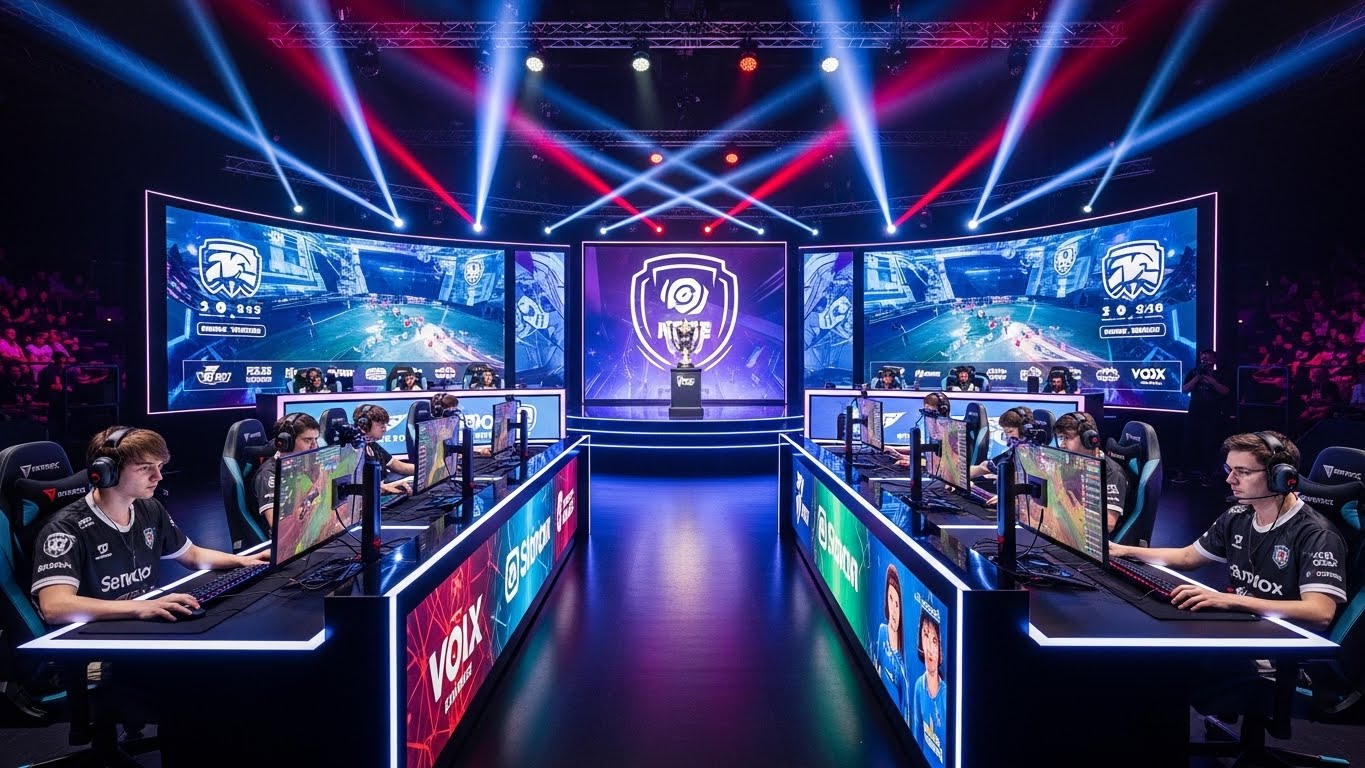
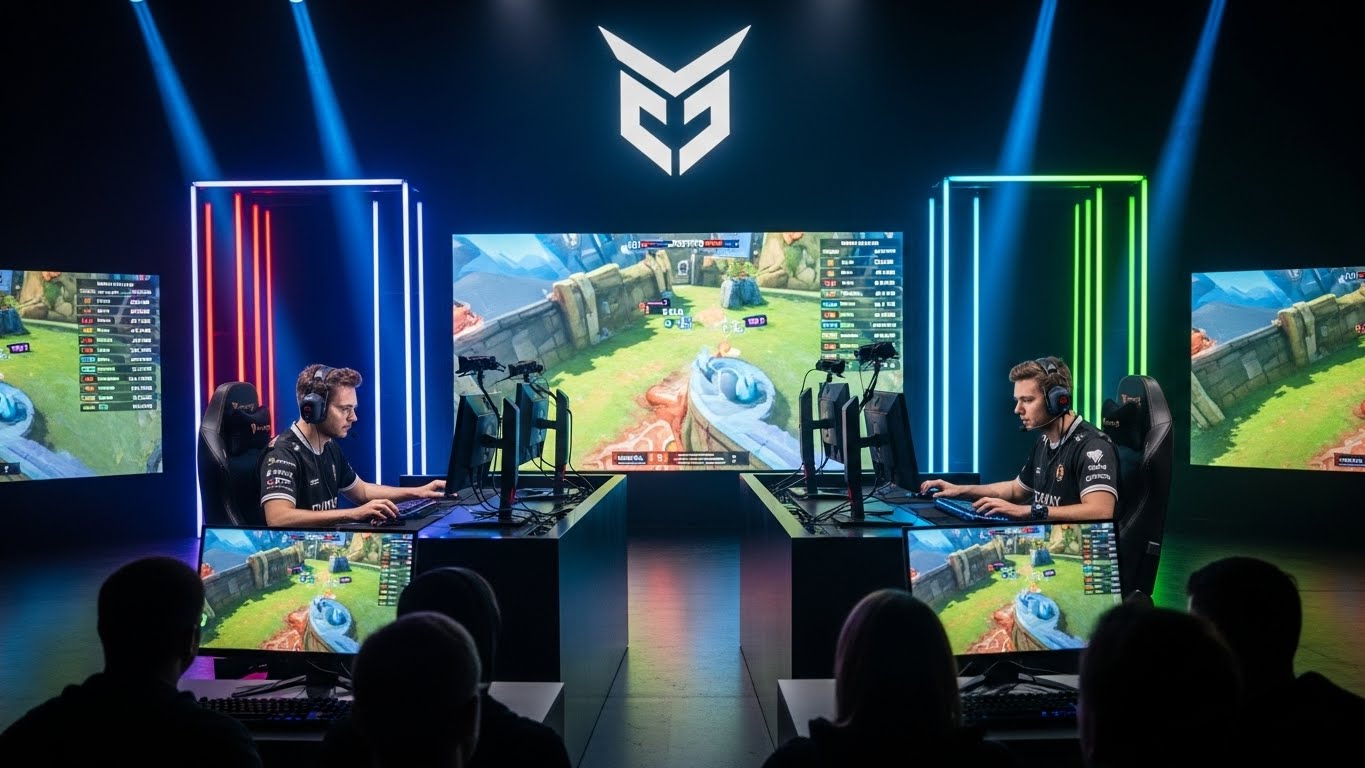
Esports has rapidly emerged as one of the most influential and exciting fields in modern entertainment. What began as small gatherings of gamers competing in local tournaments has become a global sensation, with millions of enthusiasts watching, playing, and following competitive gaming as passionately as traditional sports. The industry blends competition, technology, creativity, and community into an entirely new form of entertainment. Today, esports is redefining not only how people play games but how they connect, communicate, and build careers in digital spaces.
The Early Days of Competitive Gaming
Long before esports filled arenas and captured global attention, competitive gaming existed quietly in arcades, dorm rooms, and living rooms. Early competitions often involved simple games and small groups of friends battling for high scores or bragging rights. As technology advanced, gaming consoles and personal computers allowed more complex and interactive titles to flourish. The rise of the internet brought players together from distant locations, transforming casual competitions into organized digital tournaments. This evolution marked the beginning of esports as a structured and recognized competitive field, setting the stage for its remarkable growth.
The Emergence of Professional Esports
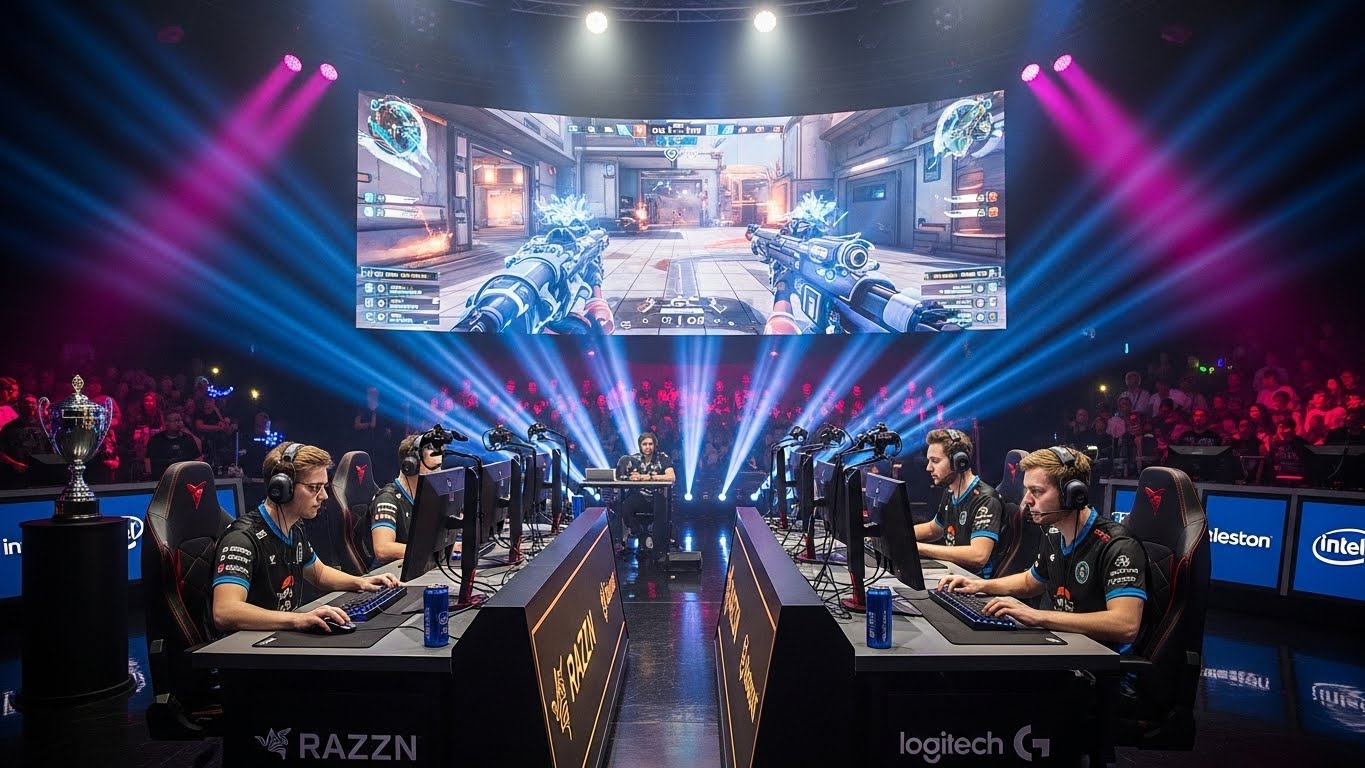
Esports truly entered a new era with the arrival of professional leagues, dedicated teams, and large-scale events. Players no longer competed solely for enjoyment; they trained like athletes, studied their opponents, and committed to daily practice schedules. Professional teams formed across the world, bringing structure, coaching, and management to the scene. High-stakes tournaments offered significant prize pools that elevated esports to a new level of recognition. The shift from casual gaming to professional competition demonstrated that esports had transformed into a legitimate athletic pursuit requiring skill, discipline, and strategy.
Why Esports Became a Global Phenomenon
The rise of esports is closely connected to its accessibility. Unlike traditional sports that require physical facilities, equipment, or specific locations, esports thrives in the digital world. A computer, console, or smartphone is often all someone needs to begin participating, learning, or competing. Its global availability allows people from every region and walk of life to engage in the same games and competitions. This accessibility created a broad, diverse audience that spans continents and cultures. Esports became a global language shared among millions, proving that competitive gaming can transcend borders and unite communities around shared passions.
Skill and Strategy in Competitive Gaming
Esports requires an immense level of skill, strategy, and mental sharpness. Professional gamers train intensely, refining their reflexes, improving coordination, and studying game mechanics. Every match requires quick decision-making, attention to detail, and strategic planning. Many competitive titles feature complex systems, multiple roles, and evolving strategies that players must master to stay competitive. Success depends on more than just fast reactions; it requires teamwork, adaptability, and the ability to read situations under pressure. Esports athletes often compare their training to that of traditional sports stars, emphasizing discipline, focus, and continuous improvement.
Teamwork and Communication in Esports
Team-based esports titles highlight how communication and collaboration influence outcomes. Players must communicate efficiently, share information instantly, and coordinate movements with precision. A single miscommunication can turn the tide of a match, while strong teamwork can overcome even the most challenging opponents. Teams develop strategies, analyze opponents, and practice coordinated plays to ensure that every member contributes to the collective goal. This emphasis on teamwork teaches skills that extend far beyond gaming, such as leadership, patience, cooperation, and conflict resolution.
The Role of Technology in Esports Growth
Technology is at the heart of esports. High-performance computers, advanced consoles, and state-of-the-art gaming equipment make competitive gaming more precise and immersive. Internet improvements allow smoother gameplay and global competition, while sophisticated software enables real-time analysis of performance. Spectators benefit from high-quality broadcasts, instant replays, and interactive viewing experiences. Technology has also made it possible for anyone to watch esports tournaments from anywhere, encouraging widespread participation and engagement. As innovation continues, technology will further evolve the esports experience for players and fans alike.
The Economic Power of the Esports Industry
Esports has grown into a powerful economic force, supporting careers, businesses, and entire industries. Tournament prize pools have reached millions, while professional players earn salaries, endorsement deals, and revenue from their personal brands. Beyond players, the esports ecosystem includes managers, coaches, analysts, broadcasters, event organizers, graphic designers, and marketers. Merchandise, sponsorships, and media rights contribute to the industry’s financial success. As brands and investors recognize the value of esports audiences, business opportunities continue to grow. The industry’s economic impact demonstrates its potential as a long-term player in global entertainment and business.
Fans and the Esports Community
Esports has built a vibrant and dedicated global community. Fans participate actively by watching tournaments, discussing strategies, supporting teams, and creating content. Communities form in online forums, social groups, and fan events, creating a shared culture centered around favorite games and players. Unlike many traditional sports, esports provides a direct connection between fans and players. Through live streaming, social media, and interactive platforms, fans can engage with players, ask questions, and even learn strategies directly from top competitors. This close interaction strengthens loyalty and deepens the connection within the esports community.
Health and Wellness in Esports
As esports grows in popularity, health and wellness have become essential topics. Competitive gaming demands long hours of practice, which can lead to physical strain and mental fatigue. Professional teams now prioritize wellness programs that include physical exercise, mental health support, proper nutrition, and ergonomic setups. Esports athletes engage in regular workouts to maintain energy and posture, and sports psychologists help them manage stress and pressure. This focus on wellness ensures that players can maintain long, successful careers while staying healthy and balanced.
Diversity and Inclusion Within Esports
Esports stands out as one of the most inclusive entertainment sectors. It welcomes individuals regardless of physical characteristics, background, or gender. As awareness grows, more initiatives support women, minorities, and individuals from underrepresented communities. Diverse voices and talents continue to shape the scene, making esports a more inclusive and representative space for all. The digital nature of esports removes many barriers to entry, encouraging broad participation and fostering a global environment of acceptance and opportunity.
Esports in Education and Youth Development
Educational institutions are increasingly embracing esports as a valuable tool for learning and development. Schools and universities offer esports clubs, teams, and even scholarships. Participation helps students develop critical thinking, strategic planning, communication, and teamwork skills. Esports also encourages digital literacy, time management, and creativity. For many young people, esports provides a sense of belonging and motivation, leading to improved academic engagement and social development. The growing acceptance of esports in education highlights its potential to prepare students for future careers in technology, entertainment, and digital industries.
Cultural Influence of Esports
Esports has significantly influenced modern culture. Competitive gaming inspires music, fashion, art, and entertainment. Professional players become cultural icons, shaping trends and inspiring fans around the world. Events, tournaments, and fan conventions contribute to a unique culture filled with excitement, celebration, and creativity. Gaming terminology, memes, and strategies have become parts of everyday language for many, reflecting esports’ integration into global culture. This cultural impact demonstrates the immense reach and influence esports has in shaping modern lifestyles and trends.
The Future of Esports
The future of esports holds limitless possibilities. Advancements in virtual reality, artificial intelligence, and interactive technology will expand the boundaries of competitive gaming. More regions across the world are embracing esports, creating new opportunities for growth and participation. Hybrid events combining live and digital experiences may redefine how tournaments are played and viewed. As esports continues to evolve, it will influence not only entertainment but also technology, business, education, and culture. Its trajectory points toward becoming one of the defining industries of the digital age.
Conclusion: The Legacy and Promise of Esports
Esports has grown far beyond its origins, becoming a powerful force in entertainment, technology, and global culture. It represents passion, innovation, and human connection in the digital era. From professional athletes to casual players, from global tournaments to local communities, esports inspires people to compete, collaborate, and celebrate their love for gaming. As the industry continues to expand, it promises to shape the future of competition and redefine what it means to be an athlete in the modern world. Esports is more than games; it is a movement that continues to rise, evolve, and inspire a new generation of competitors and fans.