Introduction
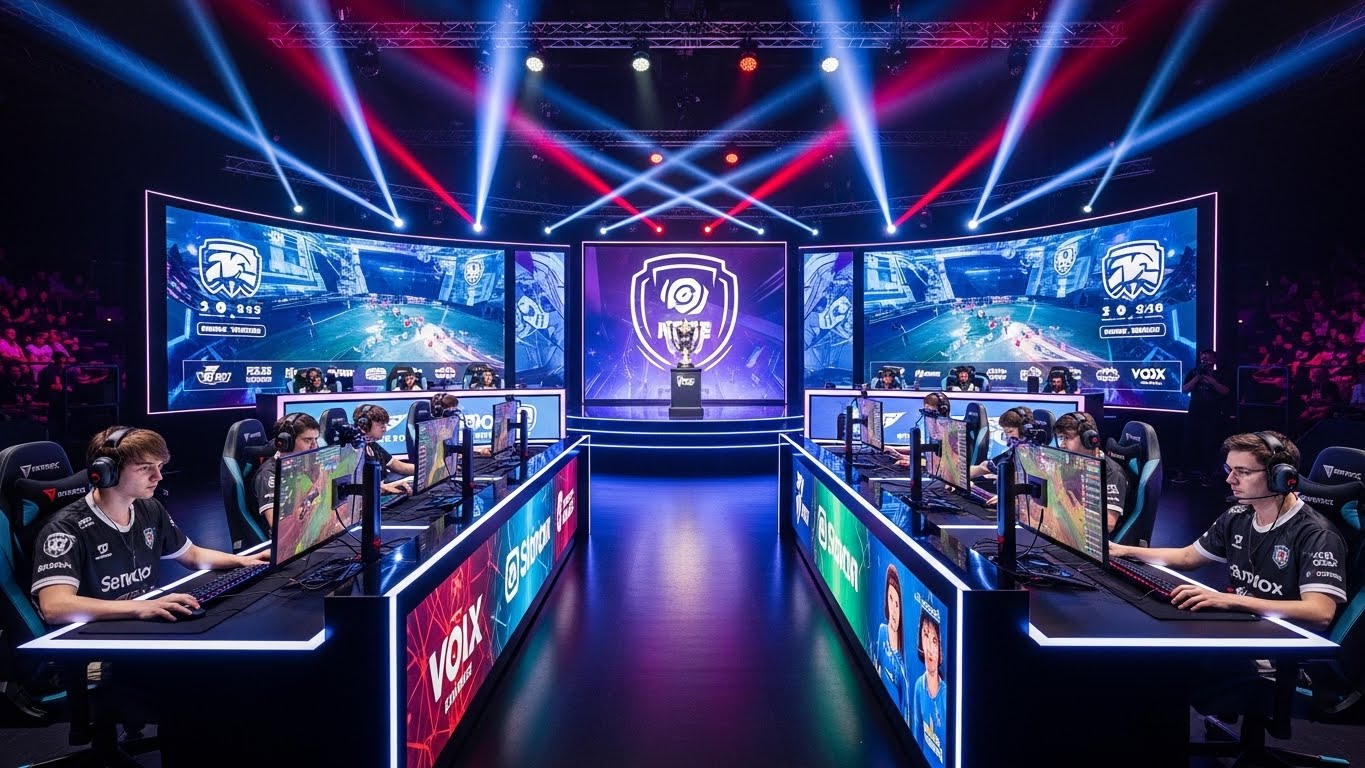
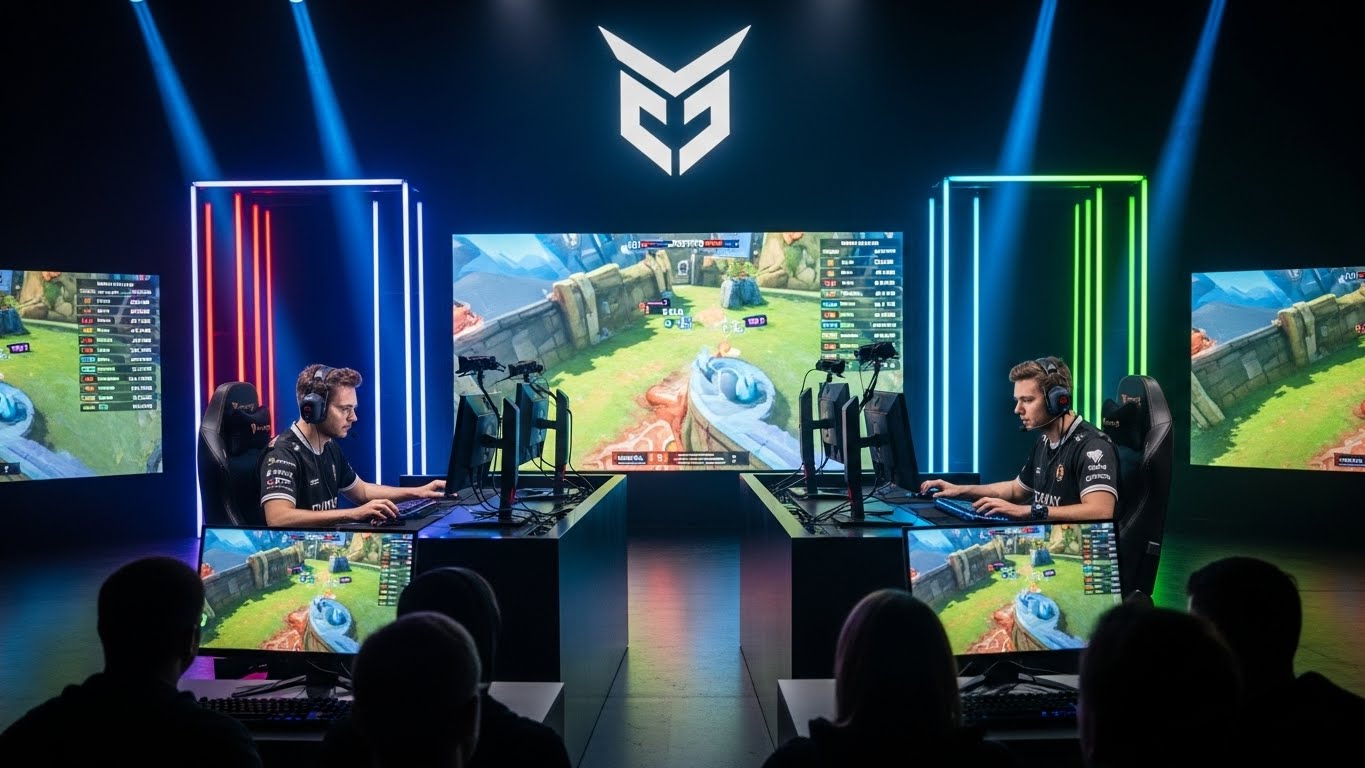
Esports, or competitive gaming, has emerged as one of the most influential and rapidly growing industries of the 21st century. What was once considered a niche hobby has transformed into a global phenomenon, attracting millions of players, fans, and investors. From strategy-based games to first-person shooters and multiplayer online battle arenas, esports offers intense competition, entertainment, and opportunities for personal and professional growth. Beyond gameplay, it is shaping culture, influencing technology, and redefining how people perceive sports and competition. This blog explores the evolution, impact, and significance of esports in the modern era.
The Rise of Esports
The journey of esports began decades ago with arcade and console gaming, gradually evolving as technology advanced. High-speed internet, streaming platforms, and powerful gaming hardware fueled the growth of competitive gaming. Today, esports tournaments are held worldwide, drawing audiences comparable to traditional sporting events. Games such as League of Legends, Dota 2, Counter-Strike, and Fortnite have developed professional leagues, sponsorship deals, and global fan bases. The accessibility of esports through personal computers and consoles has made it possible for players from different backgrounds and regions to compete on a global stage. This rise reflects not just technological innovation but also a cultural shift in how people value and engage with competition.
Esports as a Career Path
Professional esports is no longer just a hobby; it has become a viable career option. Top players can earn substantial incomes through tournament winnings, sponsorships, and streaming. Roles within the esports ecosystem extend beyond players to include coaches, analysts, content creators, event organizers, and commentators. This industry provides a platform for young talent to showcase skills, pursue professional ambitions, and gain global recognition. Esports careers also demand discipline, teamwork, and continuous learning, challenging the misconception that gaming lacks structure or purpose. For many, esports is a path to personal growth and financial independence while doing something they are passionate about.
The Role of Technology in Esports
Technology is at the core of esports. High-performance computers, advanced graphics cards, gaming peripherals, and stable internet connections are essential for competitive gameplay. Streaming platforms enable millions of viewers to watch live tournaments, creating communities and fan engagement on a massive scale. Data analytics tools and performance-tracking software help professional players refine strategies and improve reaction times. Virtual reality and augmented reality are beginning to influence esports by creating immersive experiences for players and spectators. The integration of technology not only elevates the quality of competition but also pushes innovation in related industries such as software development, hardware manufacturing, and digital entertainment.
Psychological and Cognitive Benefits of Esports
Contrary to the stereotype of gaming as a sedentary activity, esports offers cognitive and psychological benefits. Strategic games enhance problem-solving skills, quick decision-making, and multitasking abilities. Multiplayer games promote teamwork, communication, and leadership skills as players coordinate strategies under pressure. Esports also fosters resilience and perseverance, teaching players to handle failures, learn from mistakes, and adapt to evolving challenges. Mental agility, concentration, and strategic thinking developed through esports can translate into academic, professional, and personal success. Competitive gaming demands focus, patience, and critical thinking, skills that are valuable in virtually every aspect of life.
Esports and Community Building
One of the most compelling aspects of esports is its ability to create communities. Online gaming platforms connect players from different countries, cultures, and backgrounds, fostering friendships and collaboration. Fans follow professional players and teams, engage in discussions, and participate in online forums and social media groups. Local gaming clubs, tournaments, and conventions provide opportunities for face-to-face interactions, networking, and community engagement. Esports communities are not limited to competition; they offer support, mentorship, and shared experiences. This social dimension contributes to the growth of esports as a cultural and recreational movement, making it a global social phenomenon.
The Economic Impact of Esports
Esports has developed into a billion-dollar industry with significant economic influence. Revenue streams include sponsorship deals, merchandise, ticket sales, broadcasting rights, and in-game purchases. Major brands across sectors such as technology, fashion, and beverages invest heavily in esports marketing to reach younger, tech-savvy audiences. Esports events generate tourism, boost local economies, and create jobs in areas such as event management, marketing, and media production. The economic impact of esports is comparable to traditional sports in some regions, illustrating its importance as both an entertainment and business platform. As the industry continues to grow, it opens new opportunities for entrepreneurship and innovation.
Diversity and Inclusion in Esports
Esports has the potential to be more inclusive than many traditional sports. Players of all genders, ages, and physical abilities can compete on equal footing. While challenges such as gender representation and harassment still exist, the industry is increasingly promoting diversity through women’s leagues, inclusive tournaments, and anti-harassment policies. Players from different cultural and socioeconomic backgrounds can participate, bridging geographical and social gaps. This inclusivity positions esports as a modern arena where talent and skill are the defining factors, demonstrating the potential of digital platforms to foster equality and accessibility.
The Future of Esports
The future of esports is promising, driven by technological innovation and growing global interest. Emerging technologies such as cloud gaming, virtual reality, and artificial intelligence will further transform how games are played, streamed, and analyzed. Integration with education, such as esports scholarships and training programs, provides pathways for personal development and professional growth. Traditional sports organizations are also investing in esports, recognizing its potential to engage younger audiences. As competitive gaming gains legitimacy and mainstream acceptance, esports is poised to become a permanent fixture in global entertainment and professional industries, offering opportunities for both players and fans.
Esports and Mental Health Awareness
While esports offers numerous benefits, mental health is an important consideration for players. The competitive nature of gaming, long practice hours, and public scrutiny can lead to stress, anxiety, and burnout. Professional organizations are increasingly addressing mental health through counseling, wellness programs, and education. Maintaining balance between practice, rest, and social life is essential for sustainable success. Awareness campaigns and supportive communities help players manage pressure, cultivate resilience, and prioritize well-being. Addressing mental health challenges in esports is vital for the long-term growth and stability of the industry.
Esports and Education
Esports is increasingly being integrated into educational systems. Schools and universities offer esports clubs, competitive teams, and scholarship opportunities. Participation in esports teaches students collaboration, strategic thinking, leadership, and time management. It provides an alternative pathway for academic engagement, helping students develop skills that are relevant in technology, business, and communication fields. Academic recognition of esports validates its value as a legitimate form of competition and personal development, bridging the gap between gaming and traditional education.
Conclusion
Esports has evolved from a niche pastime into a global cultural and economic powerhouse. It represents more than digital competition; it fosters community, education, personal growth, and professional opportunity. Technology, strategy, and skill converge in esports, creating experiences that challenge, entertain, and inspire. From cognitive benefits and social connections to economic impact and inclusivity, esports is reshaping how people perceive competition in the modern era. As the industry continues to expand, it offers endless possibilities for players, fans, and professionals alike. Digital arenas are no longer just virtual spaces—they are a reflection of human ambition, innovation, and the universal desire to compete, connect, and excel. Esports is not the future of gaming; it is the present of global competition, entertainment, and cultural transformation.