
Introduction: The Rise of Esports
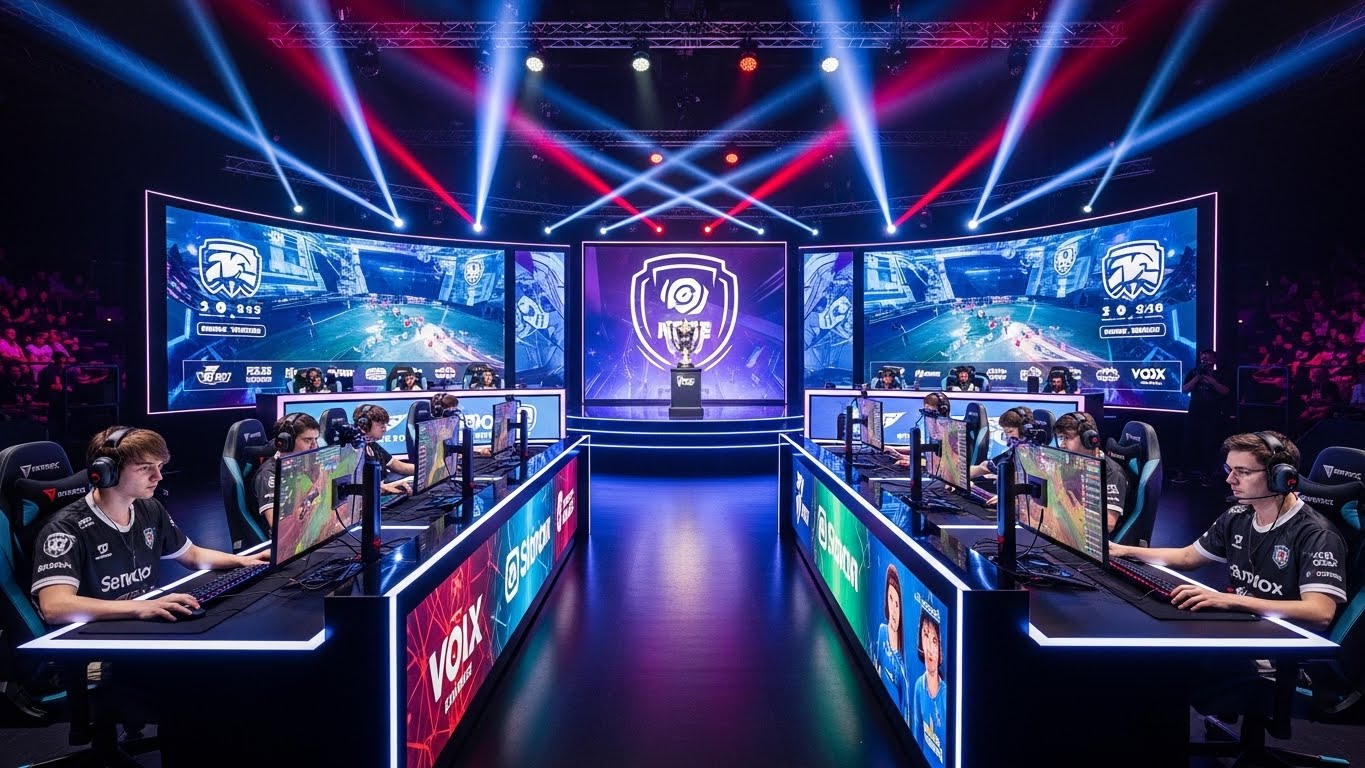
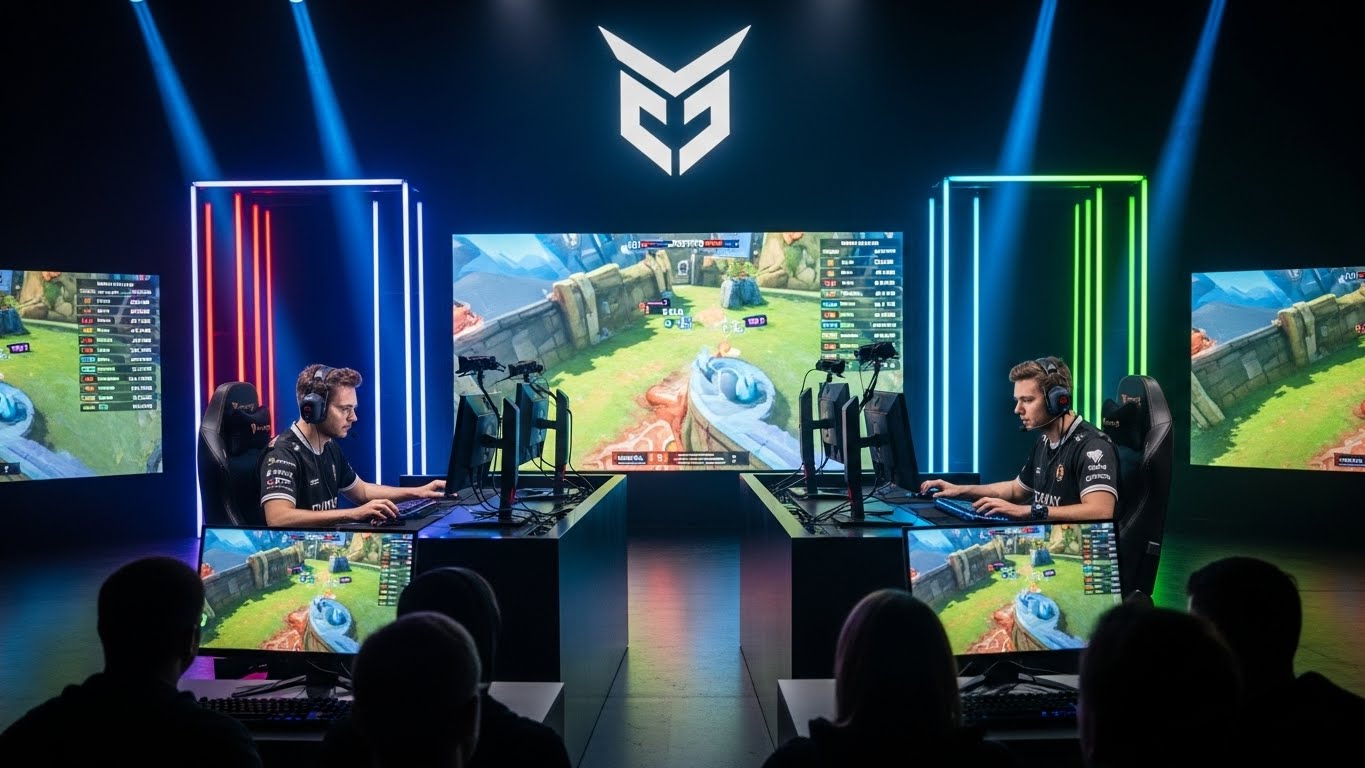
Esports, or competitive video gaming, has emerged as one of the most influential forms of modern entertainment. From small local tournaments to stadiums filled with thousands of fans, esports has evolved into a global phenomenon. It combines skill, strategy, teamwork, and technology to create experiences that rival traditional sports. With millions of players and fans worldwide, esports is not just a hobby; it is a cultural movement, an industry, and a platform for social interaction and personal growth. This blog explores the rise of esports, its impact on society, the professional scene, technological innovations, and its future potential.
The Origins and Evolution of Esports
Competitive gaming dates back to the early days of video games. In the late 1970s and 1980s, players began competing in arcade games like Space Invaders, Pac-Man, and Donkey Kong. Local tournaments attracted small communities of players eager to test their skills.
The 1990s introduced online multiplayer games, allowing players to compete beyond physical locations. Titles such as Quake, StarCraft, and Counter-Strike laid the foundation for organized esports competitions. By the 2000s, streaming platforms, high-speed internet, and professional leagues accelerated the growth of esports, transforming it into a structured industry with global tournaments and fan followings.
Esports as a Form of Entertainment
Esports is a unique form of entertainment that combines the thrill of competition with interactive storytelling. Unlike traditional sports, esports offers viewers insight into strategies, in-game tactics, and player decision-making. Fans can follow their favorite teams and players, analyzing gameplay while engaging in real-time discussions.
Live streaming platforms have transformed the spectator experience, allowing fans to watch competitions from anywhere in the world. Esports events often feature commentary, audience interaction, and behind-the-scenes content, creating immersive entertainment that appeals to both casual viewers and dedicated fans.
Popular Esports Genres and Games
Esports encompasses a wide variety of game genres, each requiring unique skills and strategies. Multiplayer online battle arena (MOBA) games like League of Legends and Dota 2 emphasize teamwork, strategy, and long-term planning. First-person shooters (FPS) such as Counter-Strike: Global Offensive and Call of Duty focus on reflexes, accuracy, and tactical thinking.
Battle royale games like Fortnite and Apex Legends combine strategy, adaptability, and survival skills in fast-paced environments. Sports simulations, fighting games, and real-time strategy titles add further diversity, allowing players with different talents and preferences to participate. The variety of genres contributes to the widespread appeal of esports globally.
The Professional Esports Scene
Professional esports players are highly skilled athletes in the digital realm. They dedicate countless hours to practice, strategy, and teamwork, often specializing in a single game or role. Professional teams compete in regional leagues, international tournaments, and world championships with substantial prize pools and sponsorship deals.
Esports organizations provide training facilities, coaches, analysts, and support staff, creating environments similar to traditional sports academies. Players maintain strict schedules, diet plans, and fitness routines, highlighting the discipline and dedication required to succeed at the highest levels. The professional scene has established esports as a legitimate career path with opportunities for growth, recognition, and financial reward.
The Economic Impact of Esports
Esports has grown into a multi-billion-dollar industry. Revenue streams include tournament prize pools, sponsorships, advertising, media rights, merchandise sales, and streaming subscriptions. Major brands invest in esports as a marketing platform, reaching highly engaged and digitally connected audiences.
Esports also generates employment opportunities across various sectors, including event management, broadcasting, coaching, content creation, software development, and marketing. The economic growth of esports demonstrates its significance not just as entertainment but as a global industry driving innovation and employment.
Esports and Technology
Technology is central to esports, shaping gameplay, audience engagement, and competitive fairness. High-performance hardware, low-latency internet, and advanced gaming peripherals allow players to perform at optimal levels. Software tools provide in-depth analytics, performance tracking, and strategy development.
Streaming platforms and broadcasting technology enable millions of viewers to watch live competitions with commentary, replays, and interactive features. Virtual reality, augmented reality, and artificial intelligence are increasingly integrated into esports training and viewer experiences, demonstrating how technology enhances both player performance and audience engagement.
The Role of Teamwork and Strategy
Teamwork is a critical component of many esports titles. Success often depends on communication, coordination, and strategic planning. Teams analyze opponents’ tactics, develop game plans, and adapt dynamically during matches.
Strategy in esports goes beyond individual skill. It involves resource management, timing, positioning, and psychological insight into opponents’ behaviors. Players and coaches study gameplay extensively to refine techniques, demonstrating that esports combines mental acuity with technical ability.
Mental and Physical Demands of Esports
While esports is digital, it is physically and mentally demanding. Players endure long hours of practice, requiring focus, hand-eye coordination, reflexes, and decision-making under pressure. Mental resilience is essential, as high-stakes competitions involve stress, fatigue, and intense scrutiny from fans and analysts.
Physical fitness is also emphasized, with many professional players incorporating exercise routines to improve stamina, reduce strain, and enhance overall performance. Maintaining balance between training, rest, and physical activity is crucial for long-term success in esports.
Esports and Social Interaction
Esports fosters social interaction in unique ways. Online communities, fan forums, and multiplayer matches allow players and fans to connect across continents. Fans support teams, share strategies, and celebrate victories together, creating a sense of belonging and camaraderie.
Esports events, both online and offline, offer opportunities for fans to gather, engage, and participate in shared experiences. The social dimension of esports extends beyond the game itself, contributing to community building, collaboration, and cultural exchange.
Women in Esports
Women’s participation in esports has grown steadily, challenging stereotypes and promoting inclusivity. Female players compete in professional leagues, tournaments, and mixed-gender events, inspiring future generations to pursue esports careers.
The representation of women in esports encourages diversity, improves accessibility, and fosters innovation in the community. As visibility and support for female players increase, esports continues to evolve into a more inclusive and equitable arena.
Esports Education and Career Opportunities
Esports has expanded into educational and professional development opportunities. Universities and colleges offer esports programs, scholarships, and dedicated facilities for training and competition. These programs teach strategic thinking, teamwork, communication, media production, and event management.
Beyond playing professionally, esports offers careers in coaching, broadcasting, content creation, marketing, analytics, and software development. Educational initiatives ensure that aspiring players and professionals develop the skills necessary to thrive in a competitive and dynamic industry.
The Cultural Impact of Esports
Esports is reshaping global culture. It influences entertainment, fashion, music, and digital media, creating new trends and shared experiences. Iconic players, teams, and tournaments become cultural symbols, inspiring stories, discussions, and fan communities.
Esports also promotes digital literacy and technological engagement, encouraging young audiences to develop skills in computing, strategy, and collaboration. By bridging gaming, technology, and culture, esports is redefining what entertainment means in the 21st century.
Challenges and Considerations in Esports
Despite its growth, esports faces challenges such as health concerns, burnout, online toxicity, and the need for regulatory oversight. Players and organizations must prioritize mental and physical wellbeing, ethical conduct, and fair competition.
Ensuring accessibility, inclusivity, and diversity is also crucial for sustainable growth. Addressing these challenges will enable esports to remain a vibrant, respected, and thriving global industry for years to come.
The Future of Esports
The future of esports is promising and full of potential. Advancements in virtual reality, augmented reality, artificial intelligence, and immersive streaming will transform gameplay and fan experiences. Global expansion will continue, with esports reaching new audiences and markets.
Integration with traditional sports, education, and entertainment will strengthen esports’ position as a mainstream cultural and professional phenomenon. Esports is set to redefine competitive entertainment, blending technology, skill, community, and creativity on an unprecedented scale.
Conclusion: Esports as a Cultural and Competitive Force
Esports is more than gaming; it is a global movement that combines skill, strategy, entertainment, and technology. It provides opportunities for professional growth, social interaction, and cultural influence. The rise of esports reflects the evolving landscape of entertainment, demonstrating that digital competition can inspire, challenge, and unite people worldwide.
As technology advances and participation grows, esports will continue to shape culture, redefine competition, and create new pathways for players, fans, and industries alike. It represents the future of interactive entertainment, proving that competition, dedication, and innovation know no boundaries—digital or otherwise.