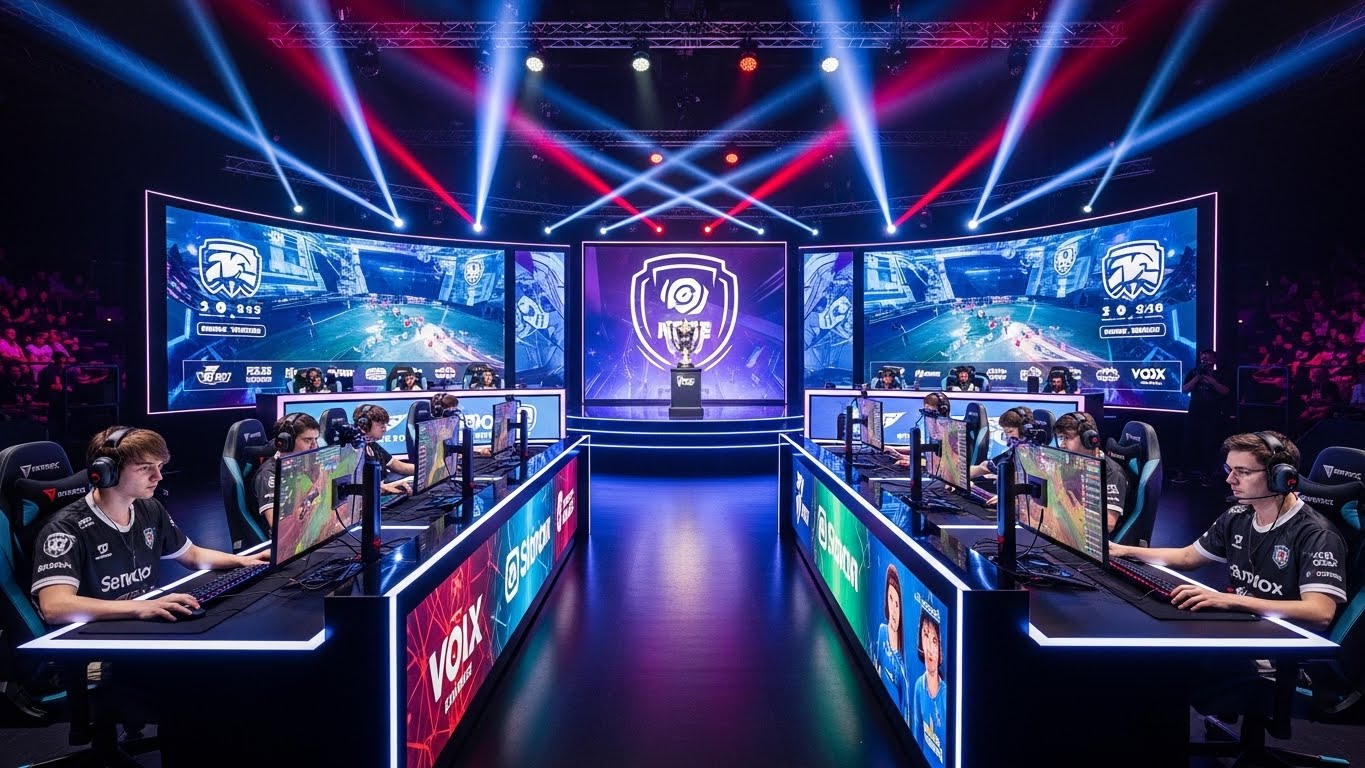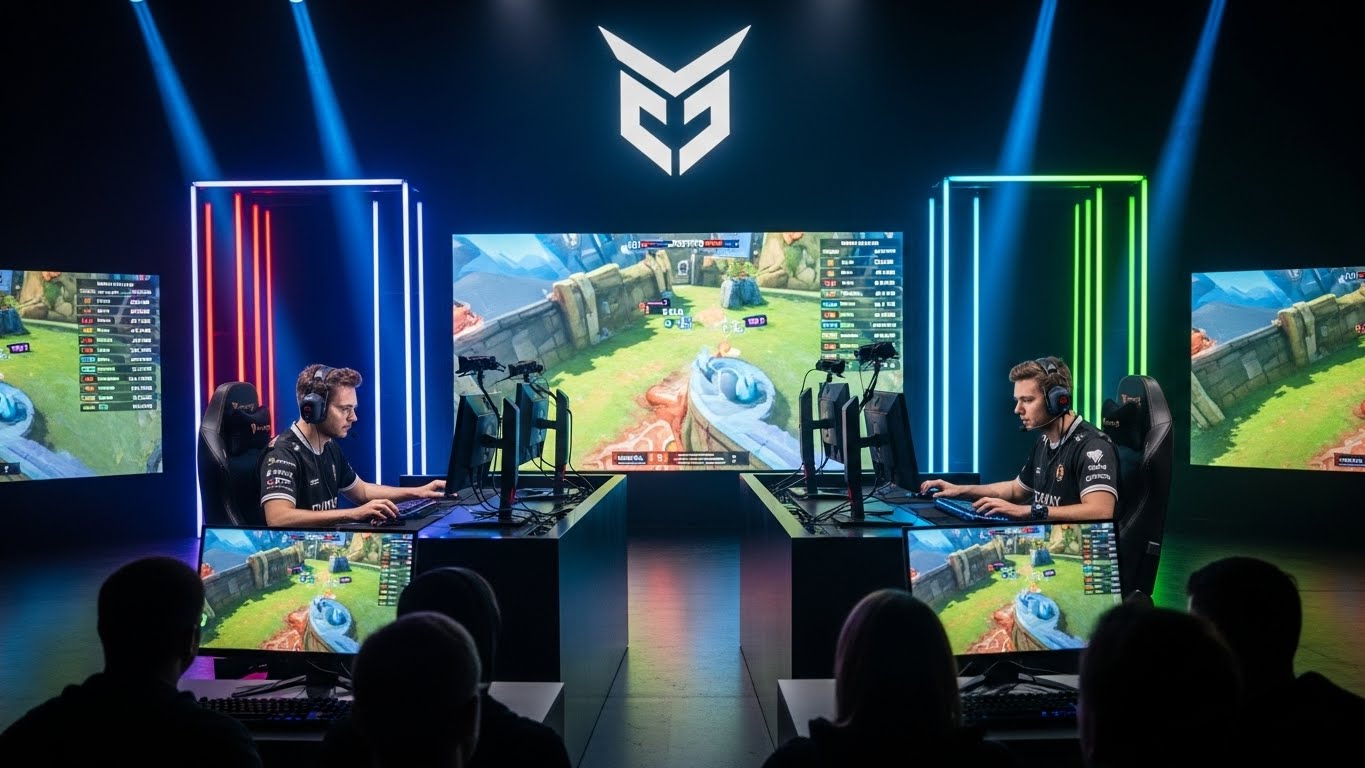
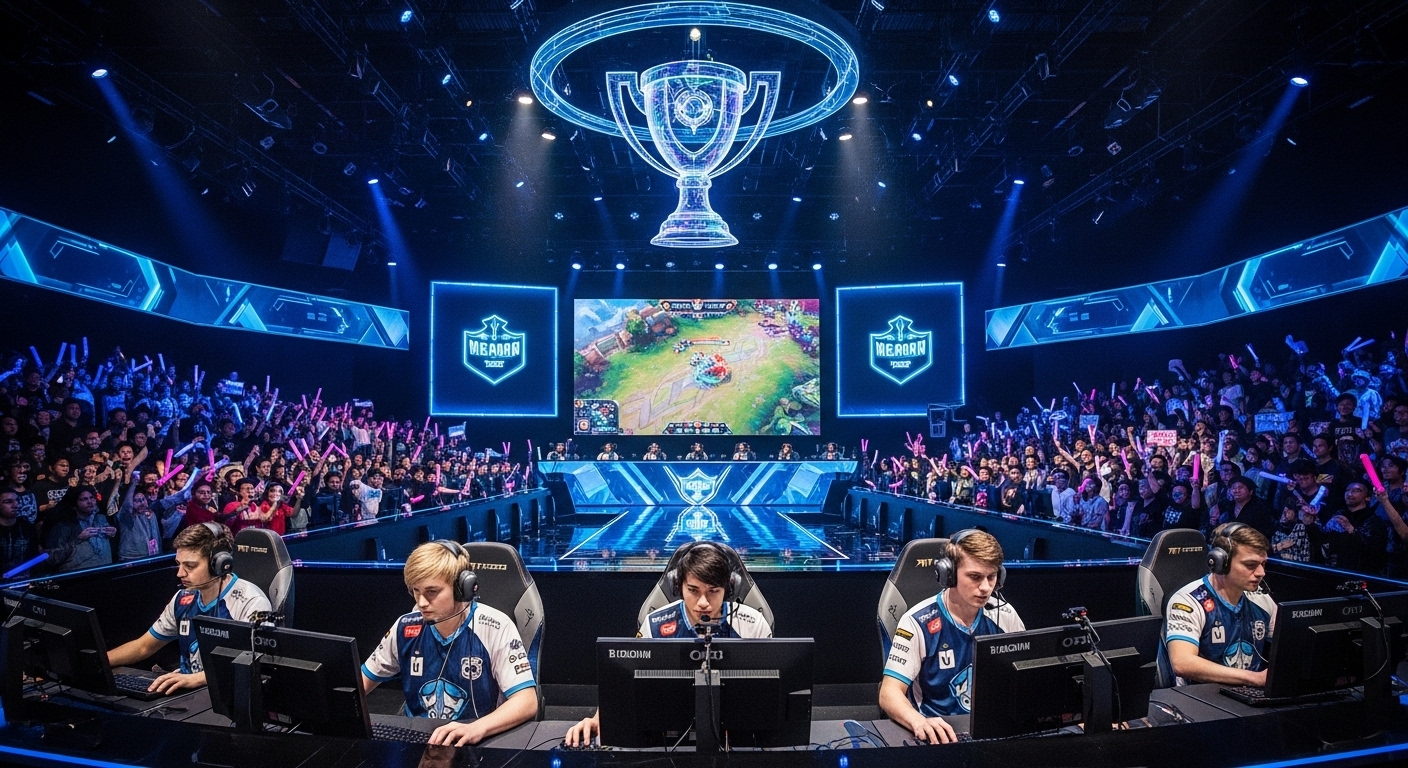
Esports, or competitive gaming, has evolved dramatically in the past few decades. What was once a niche activity primarily enjoyed by hardcore gamers has now grown into a multi-billion-dollar industry with a global fanbase. Esports tournaments are broadcasted to millions of viewers, and professional players compete for millions in prize money. The rise of esports has reshaped the gaming landscape, influencing not only the world of entertainment but also culture, business, and even education. In this blog post, we will explore how esports has evolved from its humble beginnings, what factors have fueled its rise, and the broader cultural impact it has had on the world.
The Origins of Esports: From Casual Play to Serious Competition
Esports can trace its origins back to the early days of video gaming, when competitive play was limited to local multiplayer games in arcades or on home consoles. One of the first recorded gaming tournaments took place in 1972 at Stanford University, where students competed in a game called Spacewar at the “Intergalactic Spacewar Olympics.” While this event was small and informal, it laid the groundwork for the idea of competitive gaming.
However, it wasn’t until the late 1990s and early 2000s that esports started to take its modern form. The rise of the internet allowed players to connect with others across the world, creating the possibility for large-scale, online tournaments. During this time, games like StarCraft and Quake became early esports staples, with players competing for modest cash prizes in local tournaments.
In South Korea, StarCraft emerged as a cultural phenomenon, and by the late 1990s, it had sparked the creation of dedicated esports TV channels and professional leagues. The success of StarCraft laid the foundation for a rapidly growing esports industry, eventually influencing global markets.
The Rise of Streaming and the Globalization of Esports
One of the most pivotal developments in the history of esports has been the rise of streaming platforms. Twitch, launched in 2011, changed the game by offering a platform where gamers could stream their gameplay live to a global audience. Esports tournaments, once confined to small local venues, began to be streamed online, allowing fans from all over the world to watch in real time. This level of accessibility brought esports into the mainstream, attracting massive audiences and turning competitive gaming into a professional entertainment industry.
As streaming platforms grew, so did the esports ecosystem. Major games like League of Legends, Dota 2, Counter-Strike: Global Offensive, and Overwatch began to host large-scale tournaments, many of which offered multi-million-dollar prize pools. The combination of professional leagues, high-quality streams, and growing international competition allowed esports to reach a level of popularity that was previously unimaginable.
The League of Legends World Championship, for example, became one of the most-watched esports events globally, attracting millions of viewers annually. As esports expanded, it was no longer just a pastime for gamers but a global entertainment phenomenon. It was clear that esports had found its place alongside traditional sports in terms of viewer engagement and cultural relevance.
Esports as a Profession: The Emergence of Careers and Sponsorships
With the rise of esports as a mainstream industry, the concept of professional gaming emerged. Professional players are now able to make a living from gaming, earning income through tournament winnings, sponsorships, streaming, and content creation. This has opened up a new career path for skilled gamers, many of whom are now considered celebrities within the esports community.
One of the most significant aspects of the professionalization of esports has been the involvement of major brands and companies. From tech giants like Intel and NVIDIA to beverage companies like Red Bull and Coca-Cola, corporations recognized the potential of esports as a platform for marketing and brand engagement. These sponsorships not only provide financial backing for players and teams but also help to further legitimize esports as a competitive and professional industry.
The prize money for esports tournaments has grown exponentially over the years. In 2011, The International, a Dota 2 tournament, offered a prize pool of $1 million. By 2021, that same tournament offered a prize pool of over $40 million, making it one of the largest prize pools in esports history. Other tournaments, such as the League of Legends World Championship and Overwatch League events, also offer multi-million-dollar prize pools, attracting top-tier players from around the world.
Sponsorships and media deals have also increased the profitability of esports, allowing professional teams to grow and attract talent. Esports organizations such as Cloud9, Team Liquid, and T1 have become household names in the industry, signing top players to contracts and building fanbases around their teams. These organizations not only compete in tournaments but also create content, engage with fans, and develop branded merchandise, making them powerful brands in their own right.
The Global Expansion of Esports
Esports has grown far beyond its initial roots in North America and South Korea. Today, it is a truly global phenomenon, with major esports markets in Europe, China, Southeast Asia, and Latin America. In countries like China, esports has become a mainstream form of entertainment, with games like League of Legends and Honor of Kings attracting millions of daily active players. In China, esports teams and players are treated like celebrities, and the industry generates billions of dollars annually.
The rise of mobile esports has been another important factor in the global expansion of esports. In regions like Southeast Asia, Latin America, and India, mobile gaming has seen explosive growth, and titles like PUBG Mobile, Free Fire, and Mobile Legends have emerged as leading esports games. Mobile gaming is more accessible than PC gaming due to the affordability of smartphones, making it easier for people from all walks of life to participate in competitive gaming.
This mobile gaming revolution has opened up esports to new markets and allowed the industry to reach regions where traditional PC or console gaming infrastructure might not be as widespread. As a result, esports has seen massive growth in countries with developing gaming economies, where internet access and mobile phones are more common than high-end gaming PCs or consoles.
The Influence of Esports on Traditional Sports
Esports has not only influenced the gaming industry but has also had an impact on traditional sports. As esports has grown, it has become increasingly intertwined with conventional sports. Traditional sports organizations such as the NBA, NFL, and major soccer clubs have taken notice of esports’ massive popularity and have invested in esports teams and leagues.
For example, the NBA launched the NBA 2K League, where professional basketball teams compete in the virtual version of the NBA. Similarly, the European football club Paris Saint-Germain (PSG) has its own esports team that competes in games like FIFA and League of Legends. These collaborations represent the growing convergence of esports and traditional sports, where fans of both can engage in competitive gaming.
Esports is also beginning to find a place in mainstream media. Major broadcasters such as ESPN and Turner Sports have begun to feature esports tournaments on television, expanding the reach of competitive gaming even further. Esports is no longer just confined to streaming platforms but is being broadcast on cable TV and even in sports arenas, further cementing its legitimacy as a form of professional entertainment.
The Cultural Impact of Esports
Esports has also had a profound cultural impact, shaping the way we think about gaming and competition. In the past, video games were often viewed as a solitary activity, something for “geeks” or “nerds” to do in their spare time. But esports has completely changed that narrative. It has transformed gaming into a legitimate form of entertainment, with competitive players being seen in the same light as professional athletes.
Esports has fostered a sense of community among players and fans. Tournaments like The International and Worlds bring together millions of viewers who share a common passion for gaming. Fans actively support their favorite teams and players, much like traditional sports fans do for their local or national teams. The sense of belonging that comes with being part of an esports community is one of the driving forces behind the industry’s growth.
Additionally, esports has encouraged diversity and inclusivity. While the industry has been criticized in the past for a lack of female representation, efforts have been made to increase diversity. Women’s esports leagues, such as the Women’s Esports League, and initiatives by companies like Riot Games and Blizzard Entertainment have helped promote the participation of women in competitive gaming. Esports has the potential to create a more inclusive environment for people from all backgrounds, allowing anyone with the skills and passion to compete at the highest level.
The Future of Esports: What Lies Ahead
The future of esports looks incredibly bright. With advancements in gaming technology, including virtual reality (VR) and augmented reality (AR), the potential for immersive gaming experiences is limitless. VR esports could take competitive gaming to a whole new level, where players can physically interact with the game environment in ways never before possible.
The continued expansion of mobile esports is also expected to drive growth in the industry. As mobile devices become more powerful and accessible, esports will continue to thrive in emerging markets, further solidifying its global reach.
Another exciting prospect is the potential for esports to be included in the Olympic Games. While this remains a topic of discussion, the International Olympic Committee (IOC) has acknowledged the growing influence of esports and its place in global competition. If esports were to be recognized as an official Olympic event, it would provide a significant boost to the industry’s legitimacy and further solidify its place in the mainstream.