
Introduction: Esports—More Than Just a Game
In the past decade, esports has evolved from a niche hobby to a global phenomenon. What started as casual multiplayer competitions has now blossomed into a billion-dollar industry, attracting millions of viewers, professional athletes, and investors alike. Today, esports encompasses a wide range of competitive video games, from strategy-based games like League of Legends and Dota 2 to fast-paced first-person shooters like Counter-Strike and Overwatch. Esports tournaments fill stadiums, and top players enjoy celebrity status, akin to traditional athletes.
This rapid growth has raised many questions: What makes esports so captivating? How did it evolve from underground competitions to mainstream entertainment? And what is the future of this digital revolution? In this blog post, we’ll explore the rise of esports, its cultural impact, economic influence, and its potential for growth in the coming years.
The Origins of Esports: From Arcade Machines to Global Competitions
Esports, short for “electronic sports,” can trace its origins back to the 1970s and 1980s when competitive gaming first appeared in arcades and university campuses. The early days of esports were simple: players competed for high scores on games like Space Invaders or Pong. These informal competitions were mainly social events with limited prizes and audiences. However, the seeds of esports were planted.
In the late 1990s and early 2000s, the growth of internet access and online multiplayer games gave rise to a more structured form of competitive gaming. Games like StarCraft in South Korea became the epicenter of esports, with organized tournaments attracting huge audiences. By the early 2000s, professional gaming leagues began to emerge, and events like the World Cyber Games (WCG) and ESL (Electronic Sports League) became some of the most prestigious tournaments in the world.
As broadband internet became more accessible, the rise of streaming platforms like Twitch in 2011 revolutionized the way fans could watch esports events. What was once confined to physical venues or television broadcasts was now available live online, attracting viewers from all over the globe. This shift to streaming not only expanded esports’ reach but also opened up new revenue opportunities through subscriptions, sponsorships, and advertisements.
Esports Today: A Billion-Dollar Industry
In recent years, esports has transitioned from a subculture into a legitimate industry. The global esports market is now worth billions, with estimates ranging from $1 billion to $1.5 billion annually. This growth can be attributed to several factors, including the rise of streaming platforms, major corporate sponsorships, and the increasing professionalization of the industry.
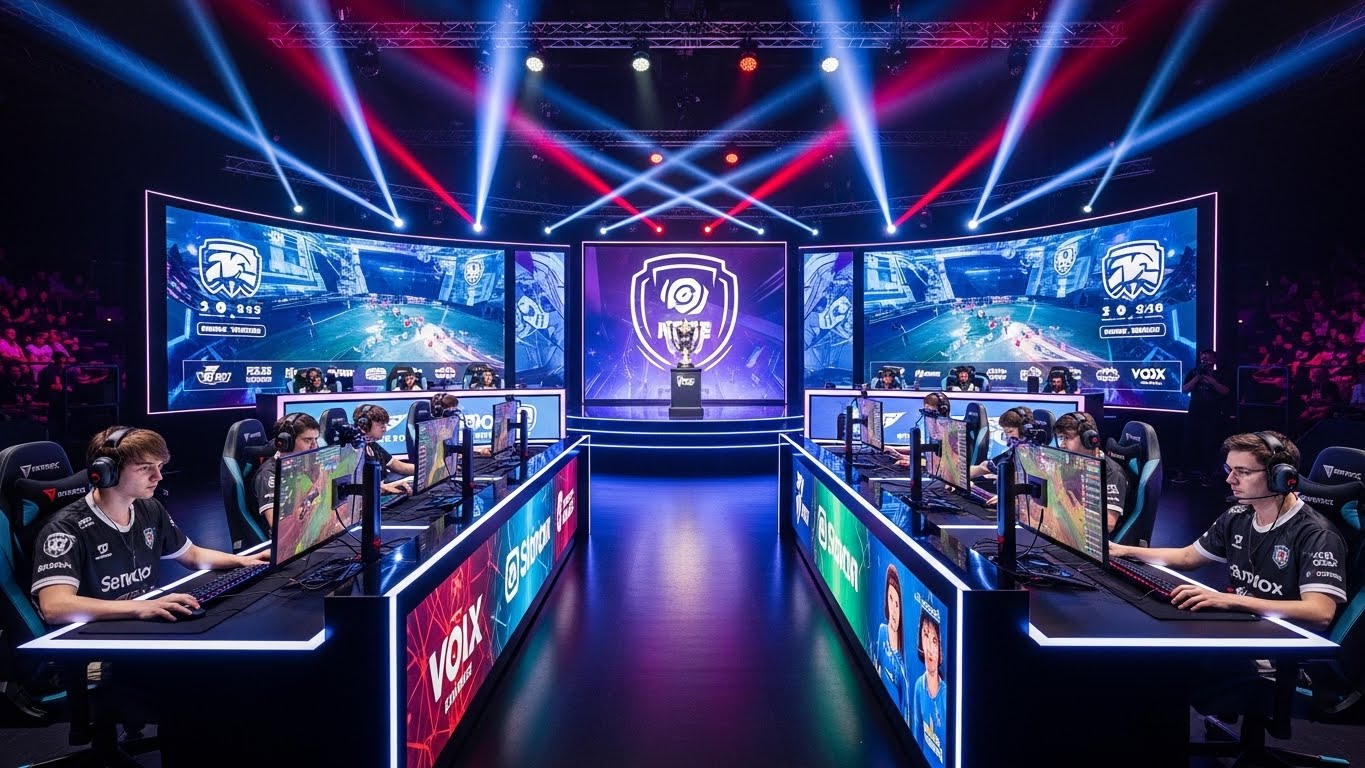
Esports tournaments now feature multi-million-dollar prize pools, attracting top-tier players and organizations from around the world. Events like The International (the championship for Dota 2), League of Legends World Championship, and Fortnite World Cup regularly offer prize pools in the tens of millions of dollars. These events fill stadiums and are broadcast to millions of viewers via streaming platforms like Twitch, YouTube, and Facebook Gaming.
The increasing presence of major corporations in the esports space has further solidified its place in mainstream entertainment. Companies like Coca-Cola, Intel, Red Bull, and Toyota now sponsor esports events, providing significant financial backing. Media companies are also getting in on the action, with traditional television networks and streaming platforms purchasing the rights to broadcast esports events. In some regions, esports is even featured on cable sports channels alongside traditional sports like football and basketball.
The Players: Esports Athletes and Their Careers
One of the most fascinating aspects of esports is the rise of professional gamers. These players dedicate their lives to mastering specific games, training for hours each day, and competing in global tournaments. While the path to becoming a professional gamer varies, it generally involves a combination of individual skill, teamwork, and perseverance.
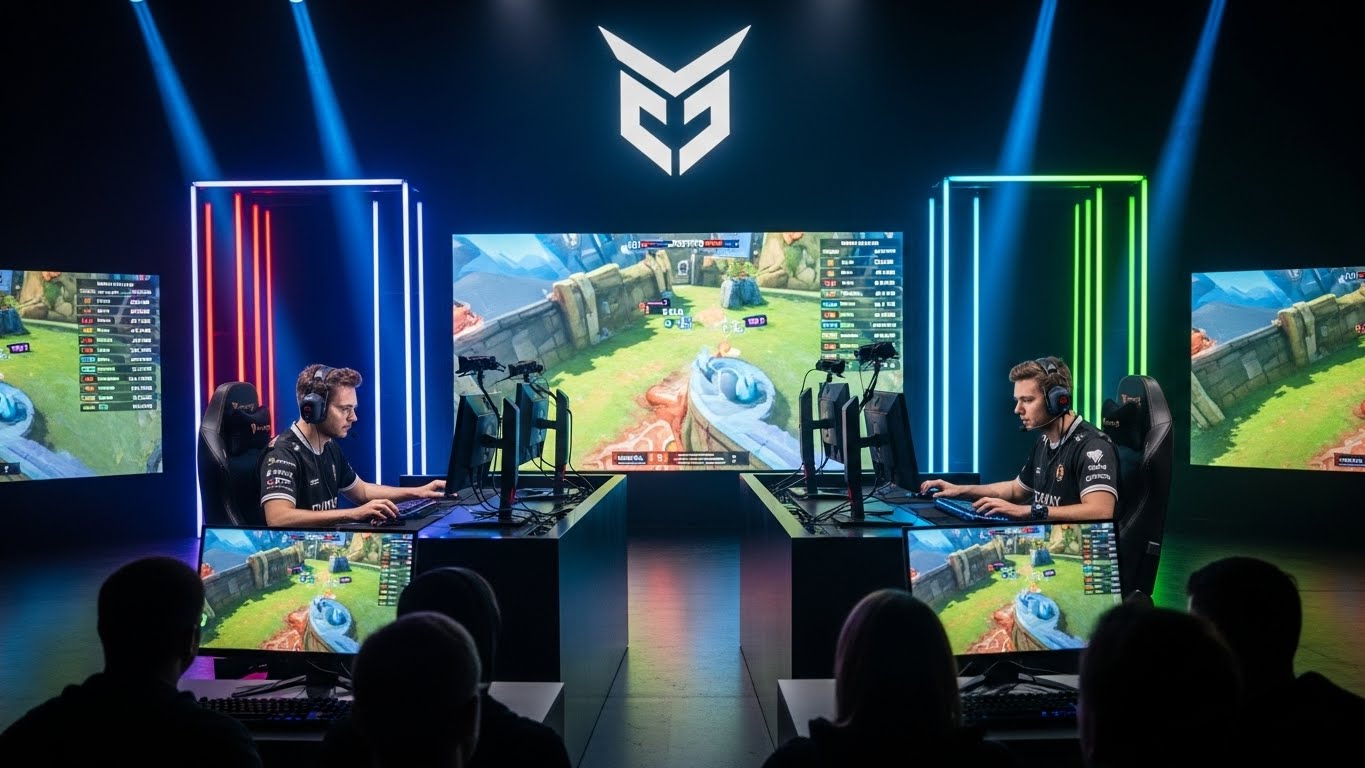
At the highest level, esports athletes are no different from traditional athletes. They undergo intense training regimens, both mentally and physically, to enhance their performance. For example, players in games like League of Legends or Overwatch spend hours practicing their mechanics, studying in-game strategies, and reviewing past performances to improve their decision-making. Mental endurance is also key, as esports competitions can run for hours, demanding focus and precision under pressure.
Esports athletes also rely on coaches, analysts, and managers, much like traditional sports teams. These behind-the-scenes roles are critical in optimizing a team’s strategy and performance. Coaches analyze data, develop strategies, and work with players to refine their skills. Similarly, esports organizations employ analysts who study the gameplay of opponents to find weaknesses and develop counter-strategies.
While the physical toll on esports players is less than that of traditional athletes, the mental and emotional demands are significant. The average career length of a professional esports player is relatively short, often ranging from 3 to 5 years, due to the intense pressure, burnout, and the toll that constant practice and competition take on the mind and body. However, many esports players transition into other roles within the industry, such as coaching, commentary, or content creation, to extend their involvement in the esports ecosystem.
The Fans: The Heart of Esports
What sets esports apart from many traditional sports is its deeply engaged fanbase. Esports fans are not just spectators; they are part of a vibrant, interactive community. Through streaming platforms like Twitch and YouTube, fans can watch live events, interact with players, and participate in online discussions. These platforms allow fans to feel a sense of connection with their favorite teams and players, fostering a sense of loyalty and investment in the success of their chosen esports personalities.
Esports also allows for a more personalized experience for fans. Unlike traditional sports, where fans are often limited to watching games on TV or attending live events, esports provides fans with direct access to players and events through streams, social media, and online forums. Fans can even interact with players in real-time during live streams, offering support, asking questions, or simply chatting with others.
In addition to live streaming, esports fans can also engage with the community by attending live events. Major esports tournaments, such as The International or League of Legends Worlds, attract thousands of fans to arenas, creating an electric atmosphere similar to that of traditional sports events. These events are often accompanied by merchandise booths, fan meet-ups, and fan activities, which create an immersive experience for fans both online and offline.
Esports and Its Cultural Influence
Esports has become a cultural force in its own right, influencing not only the world of gaming but also mainstream entertainment. Many of the top esports players have achieved celebrity status, with millions of followers on platforms like Twitter and Instagram. These players have a significant impact on the gaming community, shaping trends, styles, and attitudes.
Esports has also influenced pop culture in various ways. Major game titles like League of Legends and Fortnite have become part of the global cultural conversation, with characters, events, and in-game items making their way into mainstream media. Esports has inspired music collaborations, fashion lines, and even TV shows, further solidifying its place in popular culture.
Furthermore, esports is helping to normalize gaming as a career path. What was once considered a hobby or pastime is now recognized as a legitimate career choice. Universities around the world have established esports programs, offering scholarships and training for aspiring professional gamers. The increasing acceptance of esports as a legitimate career has also encouraged more diversity in the gaming world, as people from various backgrounds and experiences find opportunities in the esports industry.
The Future of Esports: Endless Possibilities
As esports continues to grow, the future looks incredibly bright. The industry is expected to reach new heights in the coming years, with predictions for further expansion in revenue, viewership, and global participation. Several factors are driving this growth, including the rise of mobile gaming, the increasing interest in virtual and augmented reality gaming, and the continued expansion of esports into new regions, particularly in Asia and Latin America.
One of the most exciting prospects for the future of esports is the potential for mainstream recognition. While esports has already achieved significant popularity in regions like South Korea, North America, and Europe, it is still in its infancy in many parts of the world. As infrastructure improves and esports events become more accessible, the global reach of esports will continue to grow. Major broadcasters, like ESPN, are already showcasing esports events, and this trend is expected to continue as esports becomes an increasingly prominent part of the entertainment landscape.
Another major development in esports is its integration with virtual and augmented reality. As technology continues to advance, the lines between physical and digital spaces are blurring. Virtual reality (VR) esports, where players compete in immersive 3D environments, could revolutionize the gaming experience. Additionally, augmented reality (AR) could bring new dimensions to esports events, allowing fans to interact with digital elements during live games.
Conclusion: The Digital Revolution of Esports
Esports is more than just competitive gaming; it is a global cultural movement that has transformed the way people interact with video games, entertainment, and each other. From humble beginnings in local arcades to becoming a billion-dollar industry, esports has captured the imagination of millions of fans and players around the world. As technology advances and the industry continues to grow, esports will undoubtedly continue to shape the future of digital entertainment.
For the players, the fans, and the industry professionals, esports offers endless opportunities for innovation, creativity, and growth. Whether as a career path, a spectator sport, or a form of social connection, esports is here to stay, and its impact on culture, technology, and society will only continue to expand. As esports evolves, one thing is clear: it has become a defining force in the modern entertainment landscape.