
Introduction
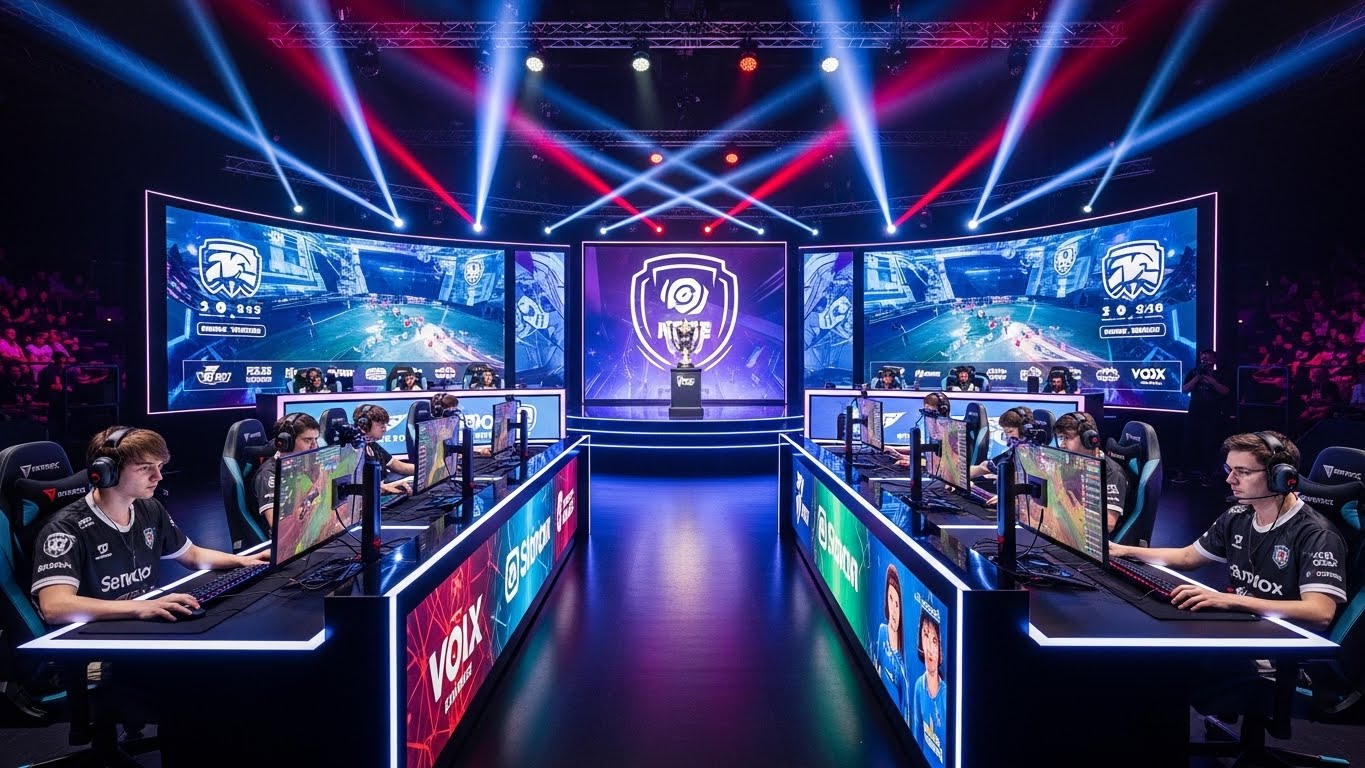
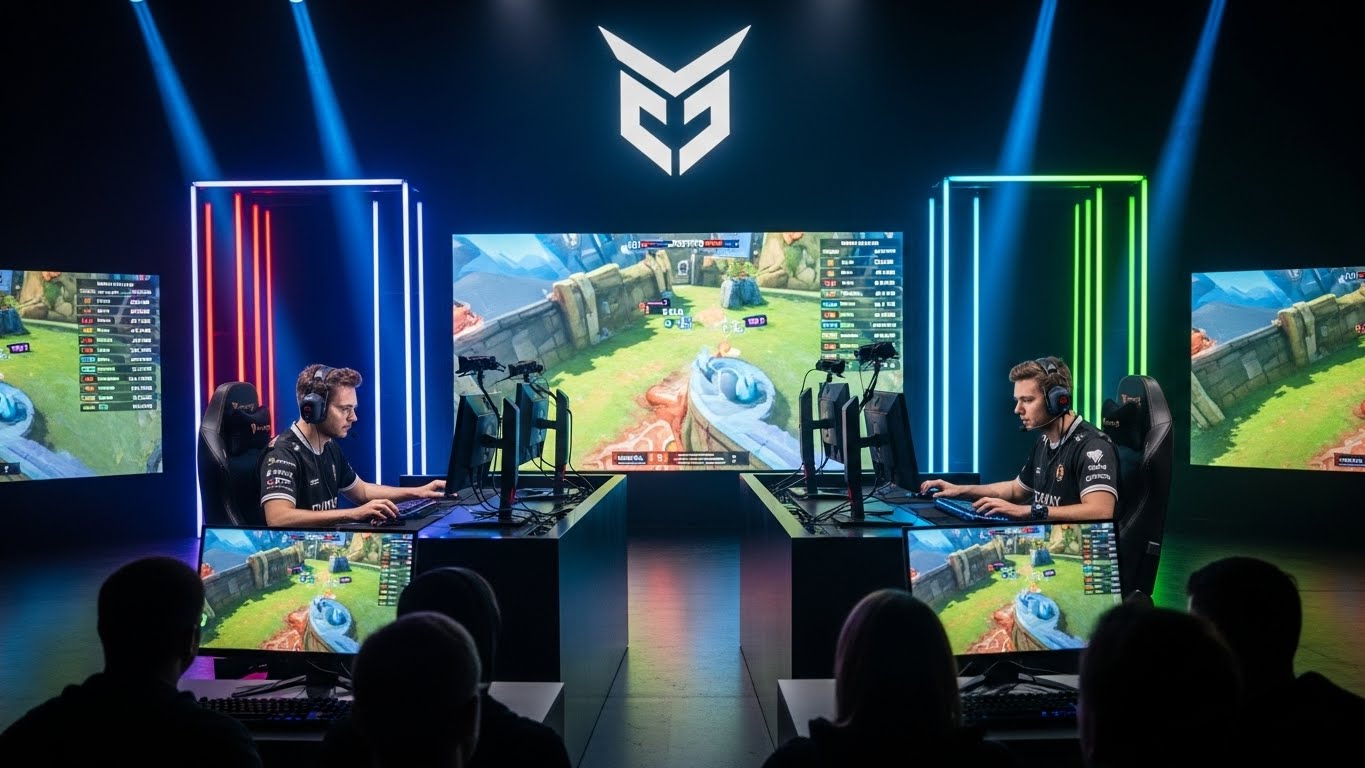
In the last decade, the world of competitive gaming, or esports, has evolved from an underground hobby to a global entertainment industry, attracting millions of fans and generating billions in revenue. The rapid rise of esports has not only changed the landscape of gaming but has also disrupted the traditional sports industry. Today, esports is a multi-billion-dollar ecosystem, with professional players, coaches, teams, and fans scattered across the globe. What started as a niche community of passionate gamers has now become a worldwide cultural phenomenon.
In this blog post, we will explore how esports emerged from humble beginnings to dominate the entertainment industry, what makes it so captivating to fans, and why it continues to thrive in the digital age. We will also delve into the various components of the esports industry and examine what the future holds for this exciting and rapidly evolving field.
The Origins of Esports
Esports has its roots in the early days of video gaming. The first competitive gaming events date back to the 1970s when players gathered at arcades to compete for high scores. One of the earliest examples of organized gaming competition was the “Space Invaders Championship” in 1980, where players competed for the top spot in the classic arcade game. While these early tournaments were relatively small in scale, they laid the foundation for the competitive gaming culture that would grow exponentially in the coming decades.
As personal computers and consoles became more powerful, multiplayer video games like Quake, StarCraft, and Counter-Strike revolutionized competitive gaming. These games allowed players to compete against each other online, paving the way for larger, more organized competitions. The 1990s and early 2000s saw the rise of the first esports leagues and tournaments, with events such as the World Cyber Games and Electronic Sports World Cup attracting global attention.
The true explosion of esports, however, came in the 2010s, with the advent of streaming platforms like Twitch and YouTube. These platforms allowed fans to watch live broadcasts of esports events from anywhere in the world, which further popularized competitive gaming and turned it into a mainstream form of entertainment.
The Appeal of Esports: Why Fans Love It
Esports has captured the attention of millions of fans worldwide, and its popularity continues to grow. But what is it about esports that makes it so appealing? For one, esports combines the excitement of traditional sports with the accessibility and engagement of digital platforms. Unlike physical sports, anyone with an internet connection and a gaming device can participate in or watch esports competitions. This accessibility has allowed esports to transcend geographical and cultural boundaries, attracting a diverse global audience.
Another key factor is the strategic depth and complexity of competitive gaming. Just like traditional sports, esports requires a high level of skill, teamwork, and strategy. While games like League of Legends, Dota 2, and Counter-Strike: Global Offensive may seem simple on the surface, they involve intricate mechanics, game knowledge, and quick decision-making. The best players are not only technically skilled but also have a deep understanding of the game’s meta and strategy.
Fans enjoy following these players and teams, analyzing their gameplay, and engaging in discussions about tactics and strategies. Esports also benefits from a dynamic, ever-changing landscape. Developers continually update and balance games, which keeps the competitive scene fresh and exciting. Players and teams constantly evolve, and there are always new challenges to overcome, making it a constantly engaging experience for viewers.
The Professionalization of Esports
As esports continued to grow, it became increasingly professionalized. What was once a hobby for enthusiasts has now turned into a legitimate career for many players, coaches, analysts, and content creators. Esports organizations now function much like traditional sports teams, with professional players who train full-time, coaches who develop strategies, analysts who break down gameplay, and managers who handle team logistics and sponsorships.
The rise of esports leagues, such as the League of Legends Championship Series (LCS) and the Overwatch League (OWL), has brought a level of organization and structure to competitive gaming. These leagues operate much like traditional sports leagues, with regular seasons, playoffs, and championships. The prize pools for major tournaments have skyrocketed, with some events offering millions of dollars in cash prizes.
Additionally, the industry has attracted significant investments from traditional sports organizations, media companies, and corporate sponsors. Companies like Coca-Cola, Intel, and Red Bull have partnered with esports events, and streaming platforms like Twitch and YouTube Gaming have secured broadcasting rights to major tournaments. This financial backing has helped elevate esports to a new level of professionalism, making it possible for players and teams to earn lucrative salaries and sponsorship deals.
Esports as a Global Community
One of the most unique aspects of esports is its sense of community. Fans, players, and teams are deeply connected through online platforms, where they can interact, share content, and discuss the latest developments in the competitive scene. Esports fans are incredibly dedicated and passionate, often following their favorite teams and players across multiple games and tournaments.
The community aspect of esports is further enhanced by the rise of streaming platforms like Twitch, where players broadcast their gameplay live and interact with fans in real-time. These platforms have created a more personal connection between fans and players, allowing viewers to get a behind-the-scenes look at the lives of their favorite gamers.
In addition to live streams, esports organizations often produce documentaries, podcasts, and social media content that give fans an inside look at team dynamics, player personalities, and the challenges faced by professional gamers. This level of transparency and engagement helps foster a strong, loyal community of fans who feel connected to the esports ecosystem.
The Business of Esports
Esports is no longer just a pastime for players; it has become a massive industry in its own right. The global esports market is expected to surpass $1.5 billion in 2023, with revenue generated from sponsorships, advertising, media rights, merchandise, and ticket sales. This financial success has created numerous job opportunities across the esports ecosystem, ranging from event production and broadcasting to marketing and analytics.
One of the key drivers of esports’ profitability is the growing interest from major brands and companies. Esports attracts a younger, tech-savvy audience, making it an appealing platform for companies looking to reach millennials and Gen Z consumers. In addition to traditional corporate sponsorships, esports teams and players also sign endorsement deals with brands in gaming peripherals, apparel, and energy drinks.
Esports organizations also capitalize on their fan base by selling merchandise, streaming content, and hosting live events. Major tournaments like The International (Dota 2’s world championship) and The League of Legends World Championship regularly draw tens of thousands of spectators and millions of online viewers. These events not only generate substantial revenue but also create a unique opportunity for advertisers to reach a highly engaged and passionate audience.
Challenges Facing Esports
Despite its tremendous growth, esports is not without its challenges. One of the biggest concerns is the mental and physical health of professional players. Esports requires long hours of practice, which can lead to burnout, stress, and even physical issues such as repetitive strain injuries. There is growing awareness about the importance of player health, and many esports organizations are implementing wellness programs to support the well-being of their athletes.
Another challenge is the issue of sustainability. While esports is experiencing explosive growth, there are concerns about whether the industry can maintain its current trajectory in the long term. As more organizations and investors enter the space, the competition for sponsorships and media rights will intensify, and the market may eventually stabilize. The industry will need to adapt and innovate to stay relevant and continue attracting new fans.
The Future of Esports
The future of esports looks incredibly bright, with continued growth expected in both the competitive scene and the business side of the industry. As esports continues to evolve, we can expect to see more game developers create titles designed specifically for esports, as well as further innovations in broadcasting and fan engagement.
Virtual reality (VR) and augmented reality (AR) are also poised to play a significant role in the future of esports. These technologies have the potential to create even more immersive viewing experiences and offer new ways for players to compete. In addition, as esports becomes more mainstream, it may even find its way into traditional sporting events, with the possibility of esports being included in the Olympic Games in the future.
Conclusion
Esports has come a long way from its humble beginnings as a niche activity. It has evolved into a global industry, attracting millions of fans, professional players, and investors from around the world. As the industry continues to grow and mature, esports is proving that it is more than just a passing trend – it is a permanent fixture in the entertainment landscape.
Whether you’re a player, a fan, or simply someone interested in the future of sports and entertainment, it’s clear that esports has cemented its place as one of the most exciting and dynamic industries in the world today. As technology advances and the industry continues to expand, esports will only become more influential, shaping the future of competitive gaming and entertainment for generations to come.