Introduction
Over the past two decades, the gaming world has undergone a massive transformation. What was once seen as a casual pastime has evolved into a global competitive industry known as esports. Today, millions of players, fans, and investors are part of this thriving ecosystem that blurs the boundaries between traditional sports, entertainment, and technology. Esports has become a cultural movement, shaping how people connect, compete, and consume digital entertainment.
This blog explores the rise of esports, its evolution, the professional scene, the business and cultural impacts, and what the future may hold for this ever-expanding industry.
The Early Days of Competitive Gaming
Before esports became a multi-billion-dollar industry, it began modestly in the early days of video gaming. The roots of competitive gaming stretch back to the late 1970s and early 1980s. In 1980, Atari hosted the Space Invaders Championship, one of the first major gaming tournaments in history. Over ten thousand players participated, marking a key moment that hinted at gaming’s potential as a competitive activity.
During the 1990s, arcade competitions and LAN parties became the core of gaming culture. Games like Street Fighter II, Quake, and StarCraft were central to these early competitions. These events were informal but full of passion and excitement. The introduction of broadband internet and online multiplayer games in the late 1990s helped set the foundation for what we now recognize as esports.
The creation of early gaming leagues such as the Cyberathlete Professional League (CPL) and Major League Gaming (MLG) gave structure to this emerging competitive scene. Players started to be recognized for their skills, and audiences began to gather to watch these battles unfold. Although the production and viewership were small compared to today, the seeds of a new global industry had been planted.
The Rise of Esports in the 2000s
The 2000s were a transformative decade for esports. Games like Counter-Strike, Warcraft III, and StarCraft: Brood War laid the groundwork for the competitive structures that exist today. South Korea became the epicenter of esports, particularly with the rise of professional StarCraft tournaments broadcast on national television. Korean players became celebrities, and esports began to be seen as a legitimate career path.
Meanwhile, in the West, competitive gaming gained traction through online platforms and organized tournaments. Major League Gaming in the United States and the Electronic Sports World Cup in Europe helped establish esports as a truly global phenomenon. Online streaming platforms such as Justin.tv, which later became Twitch, allowed fans to watch live gameplay from around the world. This accessibility brought esports into the mainstream, and audiences began to grow rapidly.
By the end of the 2000s, esports was no longer just a hobby for enthusiasts. It was becoming a professional ecosystem with teams, sponsors, and structured leagues. Players began to receive salaries, and organizations saw the potential for brand partnerships and fan engagement.
The Golden Age: 2010 to 2020
The 2010s marked the golden age of esports, a decade that saw explosive growth in viewership, professionalism, and cultural impact. This was the era when esports transitioned from niche competition to a mainstream form of entertainment.
The Role of Streaming Platforms
Streaming changed everything. Platforms like Twitch, YouTube Gaming, and later Facebook Gaming provided instant access to live esports matches and player streams. Fans could now watch their favorite teams compete in real time, interact with other fans, and even engage with players directly. This interactivity turned esports into a shared experience that transcended geography.
The Rise of Major Titles
Several games defined this era. League of Legends became a global phenomenon with its annual World Championship attracting millions of viewers. Dota 2, another major title, introduced The International, a tournament known for its massive prize pools crowdfunded by players. Counter-Strike: Global Offensive, Overwatch, and Fortnite also became central pillars of the esports landscape.
Each of these games developed its own ecosystem of leagues, teams, and storylines. Rivalries between players and organizations captured audiences in the same way traditional sports rivalries did. The drama, skill, and emotion made esports not just a game, but a narrative-driven spectacle.
Esports as a Career
As esports grew, so did its professional structure. Players were signed by teams with full-time contracts, coaches, analysts, and support staff. Training houses became common, where teams lived and practiced together to hone their skills. The best players became celebrities, earning significant incomes through tournament winnings, sponsorships, and streaming.
Colleges and universities also began offering esports scholarships, recognizing competitive gaming as a legitimate field of study and competition. This integration into academic and professional systems demonstrated how deeply esports had penetrated mainstream culture.
The Global Esports Ecosystem
Esports is a vast and interconnected ecosystem composed of multiple stakeholders working together to sustain the industry.
Players and Teams
Professional players are at the heart of esports. They dedicate countless hours to mastering their craft, often beginning their careers in their teenage years. Esports teams, much like traditional sports organizations, recruit and manage rosters, negotiate contracts, and compete in leagues and tournaments worldwide.
Top-tier organizations such as Team Liquid, Cloud9, T1, and Fnatic have become household names. They operate like professional sports franchises, complete with marketing departments, coaches, and talent managers.
Tournaments and Leagues
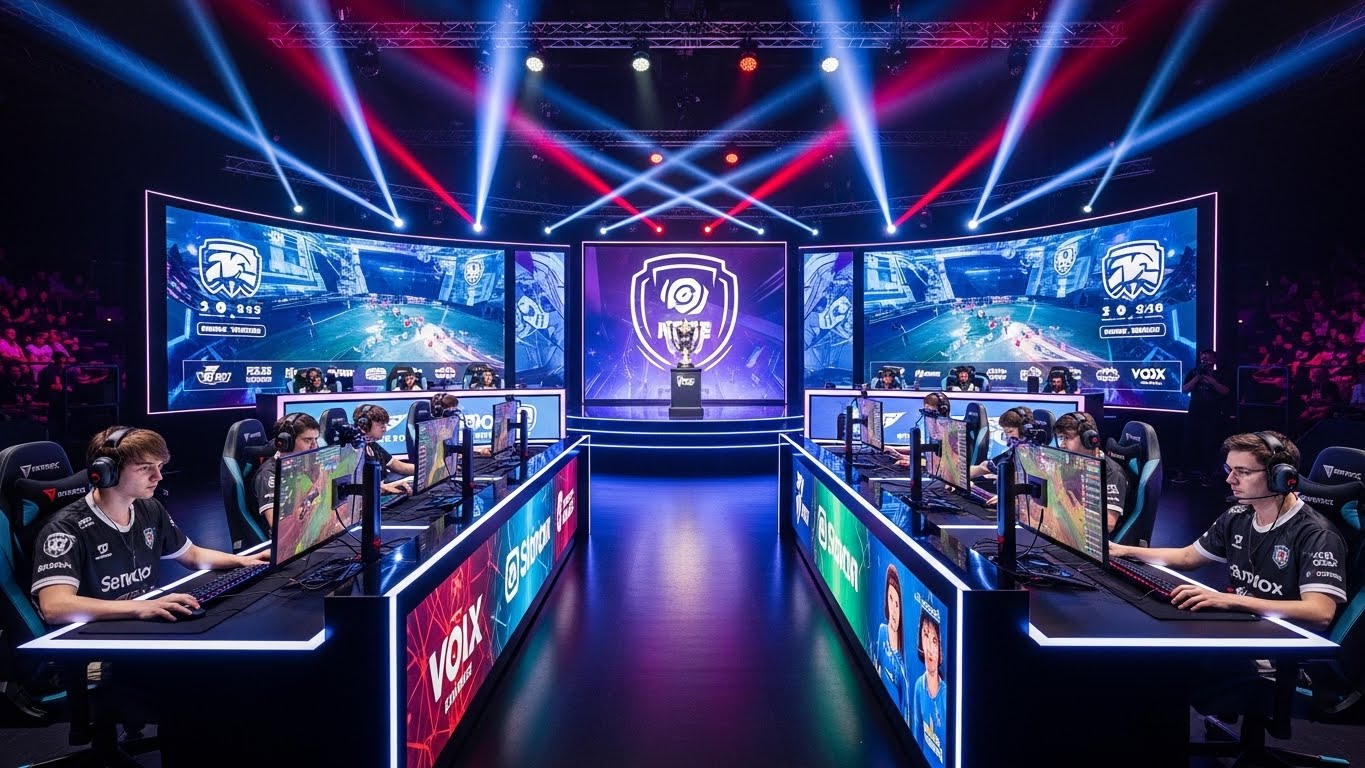
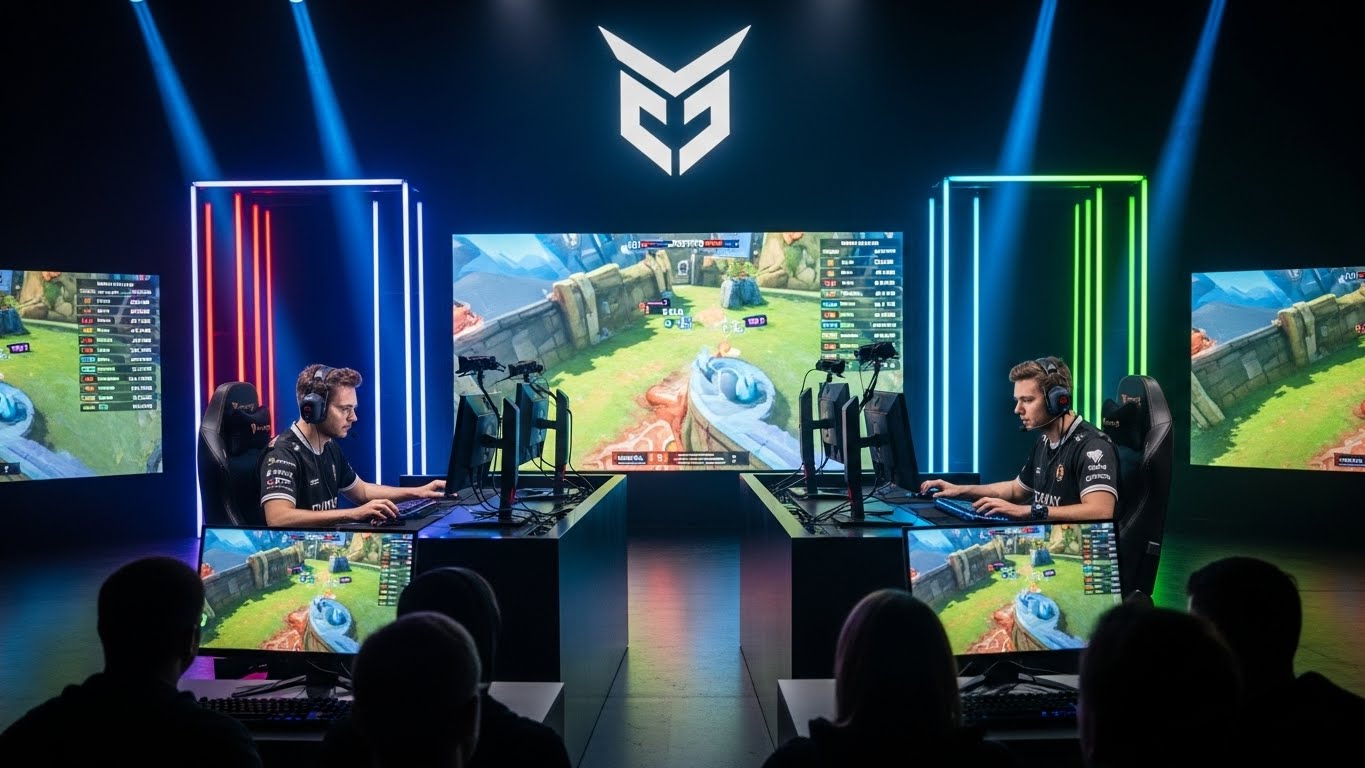
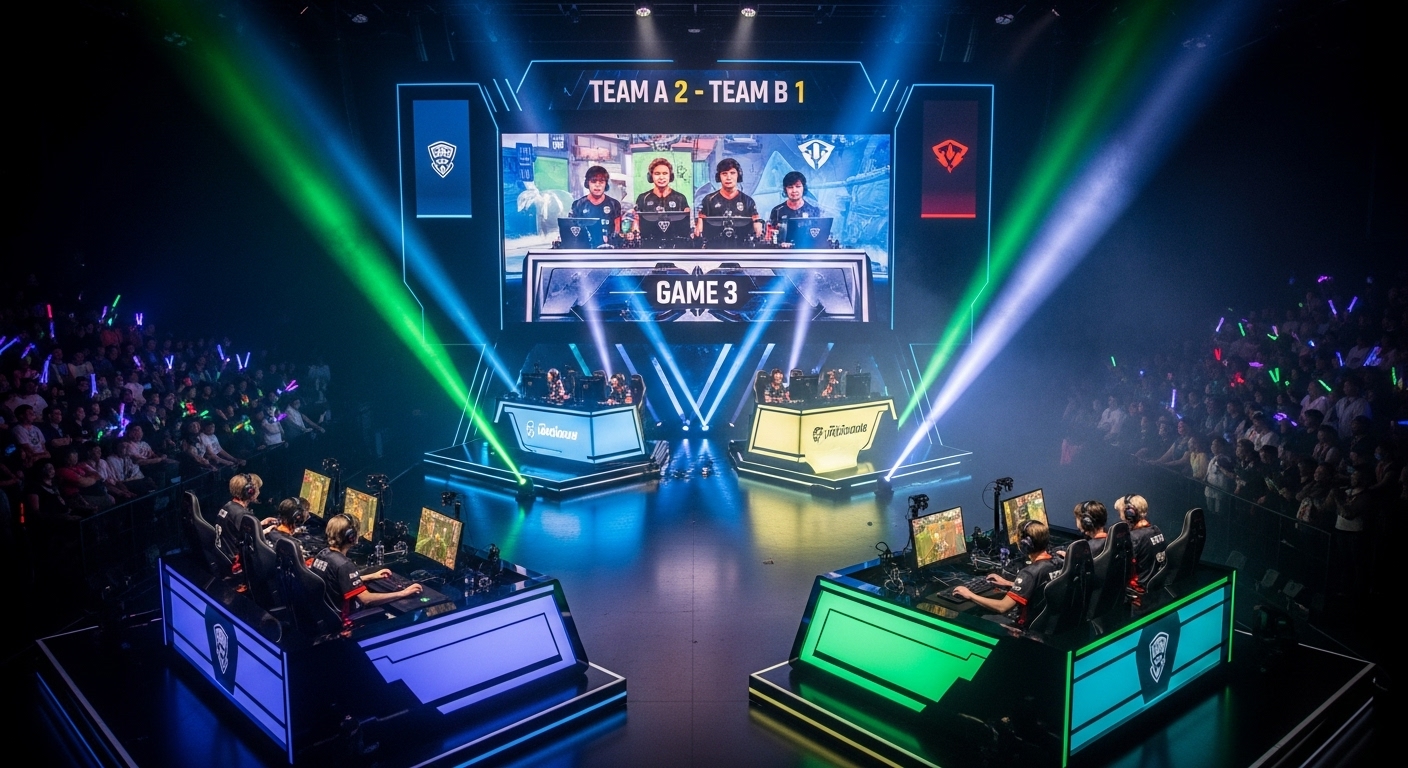
Esports competitions come in many forms, from grassroots community tournaments to massive international events. The biggest tournaments, like the League of Legends World Championship, The International (Dota 2), and the CS:GO Major Championships, attract millions of live viewers and fill stadiums with fans.
These events are not only competitions but also celebrations of gaming culture. They feature elaborate stage designs, light shows, music performances, and interactive fan experiences. The production quality rivals that of traditional sports broadcasts, reflecting the scale and professionalism of the industry.
Game Developers and Publishers
Game developers play a crucial role in esports because they control the intellectual property of the games being played. Companies like Riot Games, Valve, and Blizzard manage the competitive environments of their respective titles, organizing official leagues and setting competitive rules.
These publishers also use esports as a marketing tool to maintain long-term engagement with their games. A thriving competitive scene keeps players invested and attracts new audiences.
Fans and Communities
Fans are the lifeblood of esports. Online communities built around games and teams foster passionate followings. Social media, streaming chats, and fan forums provide constant interaction, allowing fans to express support, debate strategies, and share memes.
Unlike traditional sports, esports fans often engage with players directly through online platforms. This closeness creates a sense of community that is unique to the digital age.
The Business of Esports
Esports is not just about gaming; it is a business powerhouse generating billions in revenue annually.
Sponsorships and Advertising
Sponsorships form a significant portion of esports revenue. Brands ranging from tech giants to mainstream companies have entered the esports market. From hardware manufacturers like Intel and NVIDIA to beverage companies like Red Bull, brands see esports as an effective way to reach younger, tech-savvy audiences.
Advertising through streaming platforms and event broadcasts also provides revenue opportunities. Branded content, product placements, and digital advertisements are now common within esports productions.
Media Rights and Streaming Revenue
As esports viewership grows, media rights have become a crucial revenue stream. Broadcasting deals between leagues and streaming platforms bring in significant funding. Platforms compete for exclusive streaming rights to major tournaments, much like how television networks compete for sports broadcasting rights.
Merchandise and Ticket Sales
Team merchandise—jerseys, hats, and collectibles—plays a large role in building fan identity. Esports events also attract large in-person audiences, and ticket sales contribute to revenue, especially for world championship events hosted in major arenas.
Prize Pools and Player Earnings
Tournament prize pools have skyrocketed in recent years. The International, for example, has offered prize pools exceeding tens of millions of dollars. Professional players can earn substantial incomes through tournament winnings, team salaries, endorsements, and streaming revenue.
Esports and Mainstream Recognition
In the last decade, esports has earned recognition from mainstream institutions. It is now featured in discussions about the future of sports, media, and culture.
Television networks have begun broadcasting major tournaments. Universities have opened dedicated esports facilities. Some countries even grant professional athlete visas to esports players, acknowledging them as legitimate competitors on the global stage.
The inclusion of esports as a medal event in the Asian Games further demonstrates its acceptance as a legitimate form of sport. Discussions are ongoing about the potential inclusion of esports in future Olympic Games.
The Cultural Impact of Esports
Esports has redefined entertainment for an entire generation. It is not just about competition but also about community, identity, and creativity.
Representation and Diversity
The esports community spans across continents, cultures, and languages. Players from all backgrounds compete on equal footing, and fans from around the world come together in shared excitement. However, esports still faces challenges regarding inclusivity and gender diversity. Initiatives promoting female gamers, nonbinary players, and underrepresented groups are increasingly gaining attention.
Esports and Pop Culture
Esports has become a central part of pop culture. Collaborations between gaming companies and musicians, fashion brands, and celebrities are now common. Artists perform at esports events, and game characters appear in music videos and films.
Gaming influencers have become as famous as traditional celebrities, with millions of followers across social media platforms. The line between gaming, entertainment, and lifestyle continues to blur.
Challenges Facing Esports
Despite its rapid growth, esports faces several challenges that must be addressed to ensure long-term sustainability.
Player Burnout and Health
Professional gaming demands intense focus and long practice hours, leading to physical and mental strain. Issues such as wrist injuries, eye fatigue, and burnout are common. Many organizations are now prioritizing player welfare, introducing health programs and mandatory breaks.
Regulation and Integrity
As esports grows, so does the need for standardized regulations. Match-fixing, cheating, and doping scandals have occasionally tainted the industry’s reputation. Establishing consistent global standards for player conduct, anti-cheat systems, and fair play is essential.
Financial Sustainability
While top-tier tournaments and teams are highly profitable, many smaller organizations struggle to remain financially viable. Balancing profitability with accessibility and fairness will be crucial for the industry’s continued expansion.
The Future of Esports
The future of esports looks bright, with continued technological innovation driving growth.
Integration with Emerging Technologies
Virtual reality (VR), augmented reality (AR), and artificial intelligence (AI) are set to redefine how games are played and viewed. Spectators may soon experience matches from within virtual arenas, interacting with players and environments in real time.
Global Expansion
Emerging markets in regions such as Southeast Asia, Africa, and the Middle East are rapidly developing esports infrastructures. With increased internet access and smartphone adoption, mobile esports titles like PUBG Mobile and Mobile Legends are reaching massive audiences.
Education and Career Pathways
Esports is also opening new educational and career opportunities. From game design and broadcasting to event management and marketing, the industry supports a wide range of professions. Universities and training centers are beginning to treat esports as both a competitive and academic pursuit.
Conclusion
Esports is more than a trend—it is a reflection of the digital age’s creativity, innovation, and connectivity. It has evolved from arcade competitions to global stadium events watched by millions. It bridges cultures, fosters teamwork, and celebrates human skill in virtual arenas.
As technology continues to advance, esports will only grow in influence. It is reshaping how we define sports, entertainment, and community. The passion of players, the dedication of fans, and the commitment of organizations ensure that esports will remain at the forefront of digital culture for decades to come.
In many ways, esports represents the future of competition—a future where skill, strategy, and digital mastery combine to create a spectacle that transcends borders and unites the world through the power of play.