Introduction: The Rise of a Digital Phenomenon
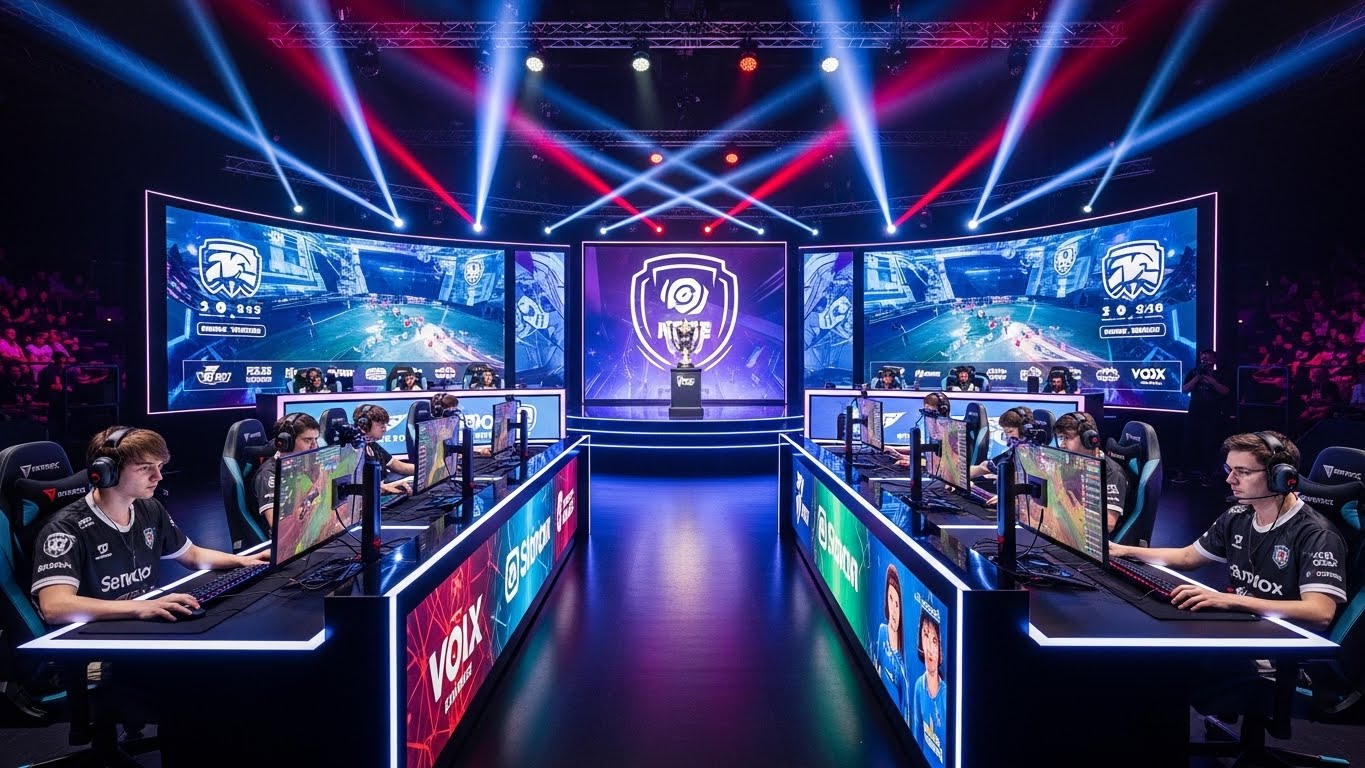
Over the past two decades, esports has evolved from small local gaming competitions into a global industry worth billions of dollars. What began as a hobby for passionate gamers has now transformed into a professional ecosystem that rivals traditional sports in terms of audience, investment, and influence. Esports has become a cultural revolution, shaping how people perceive competition, entertainment, and technology. Today, millions of fans tune in to watch their favorite players battle across virtual arenas, demonstrating that gaming is no longer just a pastime—it is a profession, a passion, and a new form of global connection.
The Origins of Esports: From LAN Parties to Global Stages
Esports did not emerge overnight. Its foundation was laid in the early 1970s when the first competitive video game events were held at universities. However, it wasn’t until the 1990s that competitive gaming began gaining serious traction. Games like Quake, StarCraft, and Counter-Strike set the tone for organized tournaments. Local area network (LAN) parties became the birthplace of modern esports culture, where players gathered in physical spaces to test their skills against others.
As internet technology advanced, these competitions expanded beyond local communities to include players from around the world. The introduction of broadband connections and online multiplayer platforms allowed gamers to compete without geographical limitations. This era saw the rise of gaming clans, online tournaments, and the beginnings of professional sponsorships.
The Evolution into a Global Industry
In the 2000s, esports moved from a niche activity to a professional industry. The launch of streaming platforms and video-sharing sites made it possible for fans to watch matches live from anywhere in the world. This accessibility fueled exponential growth in audience engagement.
Major titles like League of Legends, Dota 2, Call of Duty, and Overwatch became cornerstones of the esports world. These games introduced structured leagues, professional teams, and global championships with million-dollar prize pools. Esports organizations began to emerge, mirroring traditional sports clubs with coaches, analysts, and training facilities.
Corporate sponsorships followed soon after, with global brands recognizing the marketing potential of esports. From energy drink companies to tech giants, everyone wanted a piece of this rapidly growing digital empire.
The Esports Ecosystem: More Than Just Players
While professional players are at the heart of esports, the industry extends far beyond them. The esports ecosystem includes content creators, event organizers, broadcasters, game developers, sponsors, and fans—all contributing to its success.
Game developers play a crucial role by designing competitive-friendly games and supporting tournaments through financial backing and community engagement. Event organizers ensure seamless tournaments, often held in grand arenas filled with thousands of spectators. Commentators and analysts bring depth to matches, transforming complex gameplay into entertaining storytelling.
Moreover, streaming platforms have empowered fans to engage directly with players. Through live chats, social media, and fan-driven content, esports has built a community-driven culture that thrives on participation and shared passion.
The Professional Player: A New Kind of Athlete
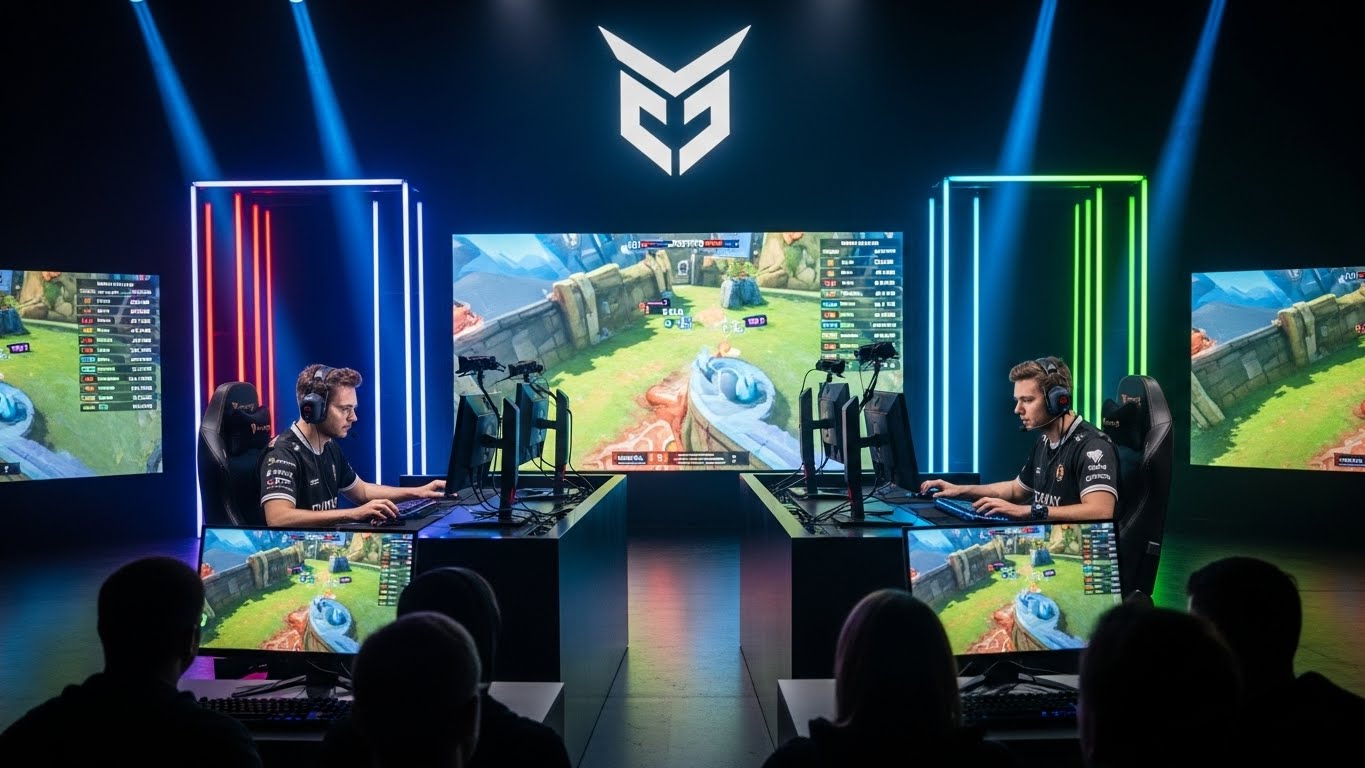
Professional esports players undergo rigorous training comparable to that of traditional athletes. Their schedules include hours of daily practice, strategic analysis, physical conditioning, and team coordination. Reaction time, hand-eye coordination, and mental endurance are vital for success.
Unlike casual gaming, professional play demands discipline, teamwork, and focus. Many players start at a young age, dedicating their teenage years to mastering one game. While their careers may be shorter due to the intense mental and physical demands, top players often transition into coaching, content creation, or game analysis once they retire from active competition.
The perception of gamers has also changed dramatically. Once seen as hobbyists, professional esports players are now celebrated figures, earning fame and financial stability through their skill and dedication.
The Role of Technology in Esports Growth
Technology is the backbone of esports. Advancements in hardware, software, and internet infrastructure have made it possible for competitive gaming to flourish. High-performance gaming PCs, fast refresh rate monitors, and low-latency connections ensure fair competition at the highest level.
Virtual reality and augmented reality are gradually being explored to enhance the esports experience. Additionally, artificial intelligence is being used to analyze player performance and predict game outcomes. These innovations are reshaping how esports is played, broadcast, and consumed.
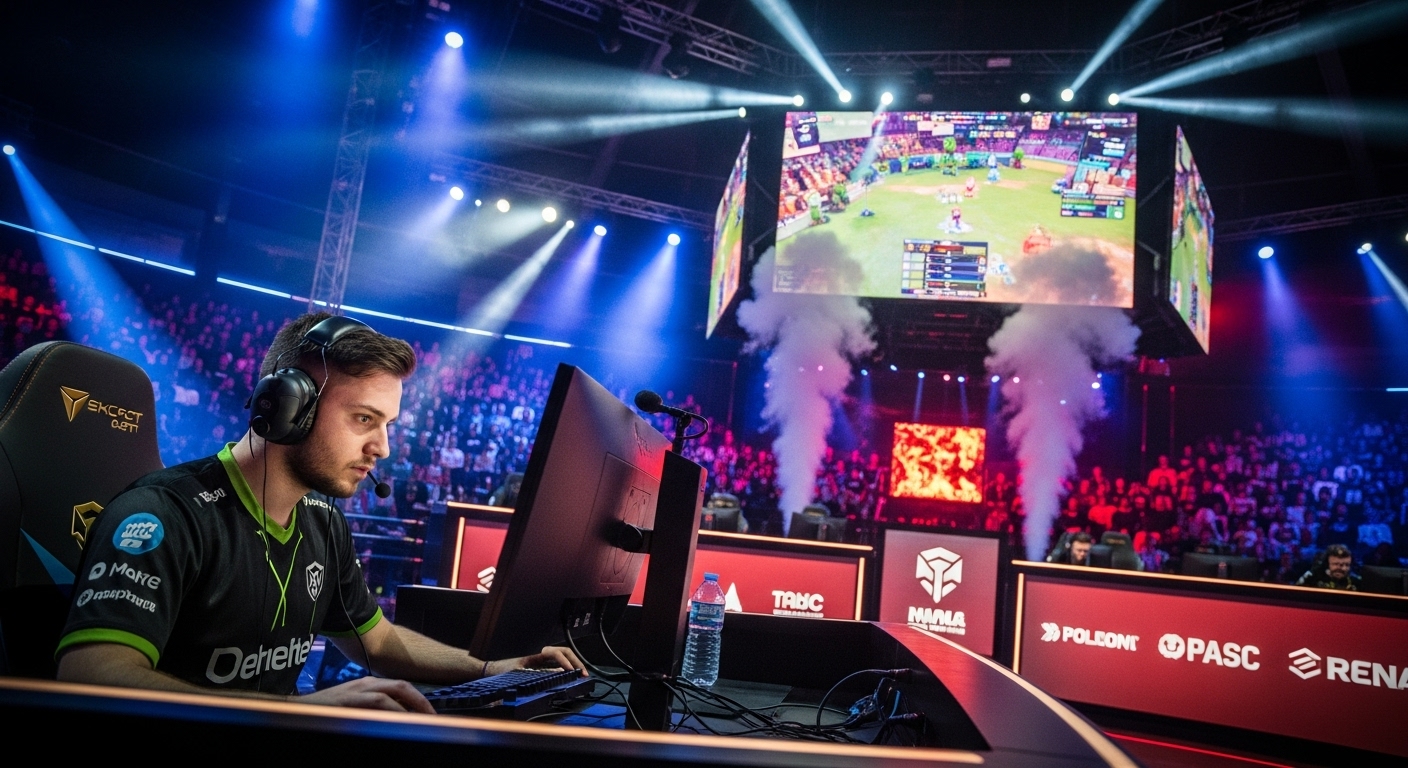
Streaming technology has been especially transformative. The ability to stream matches live to millions of viewers has democratized access to esports, removing barriers that once limited audience reach. This global accessibility has made esports one of the most watched entertainment forms in the world.
Esports and Education: A New Academic Frontier
One of the most fascinating developments in recent years is the integration of esports into education. Universities and schools around the world now offer esports programs and scholarships. These initiatives focus not only on gameplay but also on related disciplines such as event management, marketing, and game design.
Educational institutions recognize the value of esports in fostering teamwork, leadership, problem-solving, and communication skills. As a result, esports has become a legitimate pathway for students to develop careers in gaming, technology, and digital media.
The Global Audience and Cultural Impact
Esports has transcended borders, languages, and cultures. Tournaments attract audiences from every continent, with millions watching live finals that rival major traditional sports events. The inclusivity of esports—where anyone with a computer or console can participate—has made it a universal platform for expression and competition.
It has also become a social phenomenon, influencing fashion, music, and digital trends. Esports athletes have collaborated with celebrities and brands, further blurring the lines between gaming and mainstream entertainment. This cultural crossover has helped esports gain acceptance as a legitimate and respected form of entertainment.
Economic Impact and Career Opportunities
The economic footprint of esports is massive. Revenue streams include sponsorships, advertising, media rights, merchandise, and ticket sales. Game publishers, hardware companies, and event organizers all benefit from the thriving ecosystem.
For individuals, esports has opened doors to diverse career paths. Beyond being a player, one can become a coach, shoutcaster, analyst, social media manager, event producer, or even an esports lawyer. The industry has proven that passion for gaming can translate into sustainable professional opportunities.
Challenges Faced by the Esports Industry
Despite its success, esports faces several challenges. Player burnout is a significant concern due to the intense practice schedules and mental pressure. Regulation and governance remain inconsistent across regions, leading to disputes regarding contracts, salaries, and player rights.
Another challenge is maintaining integrity within competitions. Match-fixing, cheating, and performance-enhancing software pose threats to fair play. Fortunately, organizations are increasingly adopting stricter monitoring and anti-cheat systems to preserve the credibility of the sport.
Furthermore, the rapid commercialization of esports has sparked debates about its long-term sustainability. Balancing profit with player welfare and community values will determine how the industry evolves in the future.
The Future of Esports: Boundless Possibilities
The future of esports is filled with limitless potential. As technology continues to evolve, new genres and experiences will emerge. Mobile esports, for example, is rapidly expanding in developing regions, offering affordable access to competitive gaming.
Virtual reality tournaments and cross-platform competitions are expected to shape the next era of esports. The integration of AI-driven analytics and immersive viewing experiences will redefine how audiences engage with digital competitions.
Esports may also continue to merge with traditional sports. Hybrid events that combine physical and digital elements are already appearing, bridging the gap between athleticism and technology. With growing institutional recognition and government support in various countries, esports is on track to become a staple of global entertainment.
Conclusion: A New Era of Competitive Culture
Esports represents more than just digital competition—it embodies the evolution of human creativity, technology, and passion. It has redefined what it means to be an athlete, a fan, and a member of a global community. The digital arena has opened doors for millions to express themselves, connect with others, and pursue careers once thought impossible.
As the world becomes increasingly digital, esports stands as a testament to how far gaming has come. From small gatherings of dedicated players to sold-out stadiums and global broadcasts, esports has proven that competition transcends physical boundaries. It is not merely the future of gaming—it is the future of entertainment, innovation, and human connection.