Introduction
Esports, or competitive gaming, has seen unprecedented growth over the past decade. Once a niche activity enjoyed by a small group of enthusiasts, it has now evolved into a global phenomenon, captivating millions of viewers and players alike. With a vibrant ecosystem that includes professional leagues, tournaments, sponsorships, and millions in revenue, esports has firmly established itself as a mainstream entertainment industry. What started as a hobby for gamers is now a career path, with players, coaches, analysts, and broadcasters all making a living in this fast-growing field. In this blog, we will explore the rise of esports, its impact on global culture, the various players involved, and the opportunities and challenges that come with this digital revolution.
The Origins of Esports: From Arcades to Global Arenas
The journey of esports can be traced back to the 1970s when video games first began to capture public attention. Early competitive gaming was informal, taking place in local arcades or among groups of friends, where high scores on games like Space Invaders and Pong were seen as achievements of skill and luck. However, the first organized competitive event of note occurred in 1972 at Stanford University, where a Spacewar competition was held. The prize? A year’s subscription to Rolling Stone magazine, which demonstrates how modest the early days of esports were.
The real transformation came in the 1990s with the advent of the internet and personal computers. Gamers no longer needed to play in the same room to compete. Multiplayer games like Doom and Quake made it possible to connect over networks and battle opponents from across the globe. In the late 1990s and early 2000s, titles like StarCraft and Warcraft further revolutionized competitive gaming, particularly in South Korea, where esports began to take on the characteristics of professional sports. The country’s investment in infrastructure, media coverage, and broadcasting of tournaments transformed esports from a hobby to a cultural force.
The Rise of Professional Esports
In the early days of esports, players competed for small prizes, usually for fun or prestige. Over time, however, the scale and stakes of competitions began to grow. Major game developers and publishers such as Blizzard Entertainment and Riot Games introduced large-scale tournaments for games like StarCraft, Dota 2, and League of Legends, with prize pools reaching millions of dollars. The rise of streaming platforms, particularly Twitch, also helped accelerate the visibility of these events, allowing fans to watch live streams of their favorite games and players.
By the mid-2010s, esports was already a billion-dollar industry. Professional players could now earn money not only from prize winnings but also from sponsorships, streaming revenue, and team salaries. Esports teams were formed just like traditional sports franchises, complete with coaches, managers, analysts, and team support staff. This professionalization was a key turning point in the evolution of competitive gaming, solidifying its legitimacy as a sport.
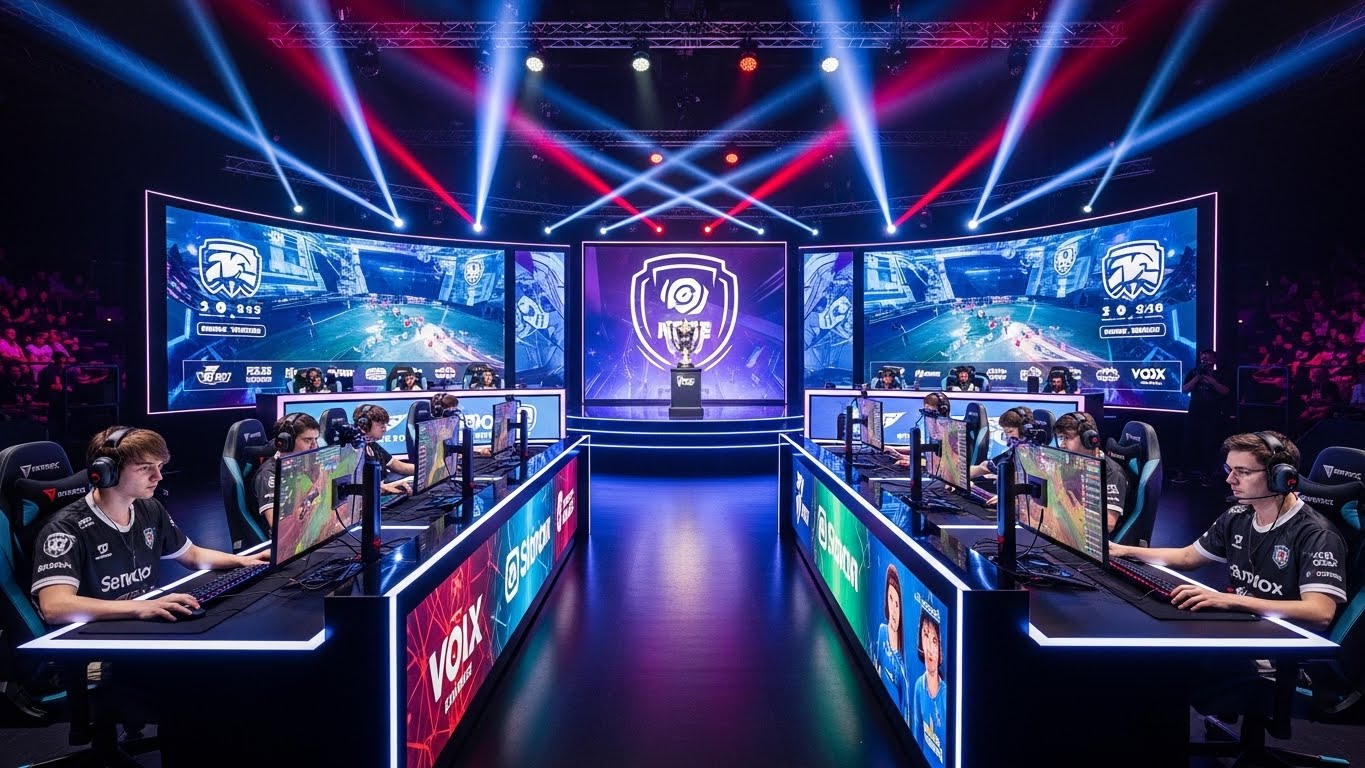
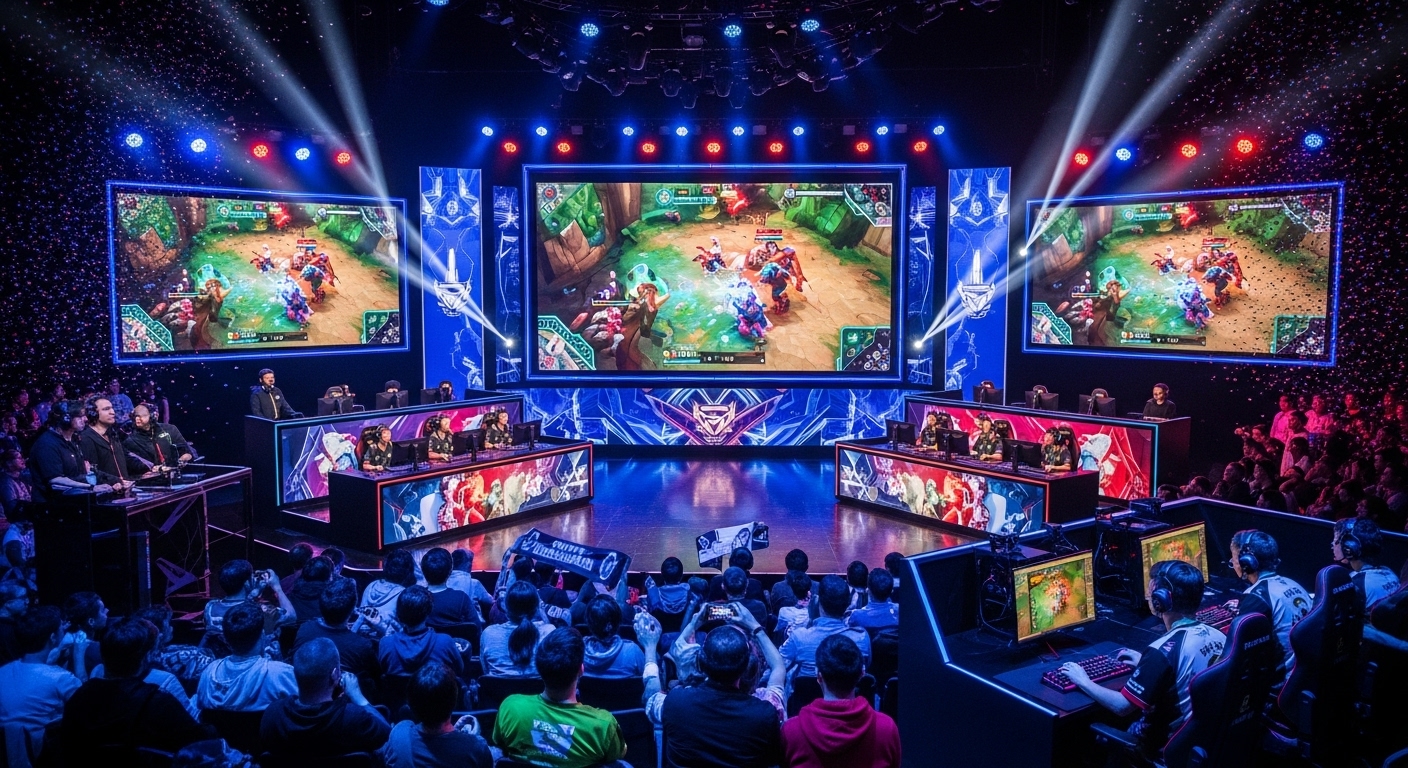
Esports tournaments became more than just competitions—they became global spectacles. Major events like The International (Dota 2), the League of Legends World Championship, and CS:GO Major Championships now attract millions of viewers and offer prize pools that rival those of traditional sports events like tennis or golf.
Esports as a Career: Opportunities Beyond the Player
While professional players may be the most visible part of the esports ecosystem, the industry has created a wealth of career opportunities beyond just playing games. The business of esports has expanded rapidly, providing jobs in areas such as coaching, analysis, event management, broadcasting, marketing, and journalism. Esports organizations now employ people in roles similar to those found in traditional sports organizations, such as coaches, psychologists, and strategists.
Coaches and analysts are critical in helping teams develop their strategies, improve team dynamics, and analyze opponent behavior. Much like in traditional sports, these professionals work behind the scenes to ensure that players are performing at their peak. The emergence of esports coaching has led to the creation of coaching programs and certifications, providing education and formal training for aspiring coaches.
Esports broadcasting has also grown into a full-fledged career field. Broadcasters, known as shoutcasters, provide commentary and analysis during live events, adding an exciting layer to the viewer experience. These commentators, along with analysts and interviewers, help bring a professional, sports-like atmosphere to esports broadcasts.
Additionally, marketing and social media management are essential for promoting esports teams, players, and events. Organizations now employ social media managers and content creators to produce highlights, interviews, and promotional materials, further fueling the growth of esports as an entertainment form.
The Esports Fanbase: Global, Engaged, and Diverse
One of the most remarkable aspects of esports is its fanbase. Unlike traditional sports, where fans are often geographically bound to a specific team or region, esports fans can come from all corners of the globe. The digital nature of esports means that anyone with an internet connection can access streams, watch live events, and interact with players and teams.
The esports community is diverse, with fans spanning multiple age groups, genders, and cultural backgrounds. This diversity is reflected in the games themselves, with different genres such as MOBA (multiplayer online battle arena), FPS (first-person shooter), RTS (real-time strategy), and battle royale attracting different types of players and viewers. What unites them all is a shared passion for competition, strategy, and skill.
In recent years, esports has gained significant traction in regions outside the United States and Europe, particularly in Southeast Asia and Latin America. Countries like China, South Korea, and Japan have become esports powerhouses, hosting some of the most prestigious tournaments in the world. This global appeal has further cemented esports’ status as a mainstream form of entertainment.
The rise of social media and streaming platforms has also allowed fans to interact with players and teams in real-time. Platforms like Twitch, YouTube, and Facebook Gaming provide spaces for fans to engage with content, discuss strategies, and even contribute financially through donations or subscriptions. This sense of community is one of the driving factors behind the longevity and success of esports.
The Role of Sponsorships and Brands in Esports
Sponsorship has played a key role in the financial success of esports. Just like traditional sports, esports organizations rely heavily on corporate sponsorships to fund their operations and events. Global brands from various industries—ranging from technology and apparel to energy drinks and telecommunications—have recognized the value of esports as a marketing tool to reach younger, tech-savvy consumers.
Esports sponsorship deals are often worth millions of dollars, with companies gaining significant exposure through event branding, team sponsorships, and product placements. For example, companies like Intel, Coca-Cola, Red Bull, and Nike have partnered with major esports events or teams, leveraging the popularity of gaming to market their products to a global audience.
Sponsorships extend beyond just tournaments and teams. Influencers and streamers have also become a key component of the esports marketing ecosystem. Popular streamers who have built large followings on platforms like Twitch often collaborate with brands for endorsements and promotional content. This has led to the rise of a new kind of celebrity within the esports world: the content creator.
The Challenges Facing Esports
Despite its rapid growth, esports faces several challenges that could impact its future. One of the most significant challenges is player burnout. The intense training schedules, constant travel, and pressure to perform can take a toll on players’ mental and physical well-being. Many top players retire in their mid-20s, unable to keep up with the demands of professional gaming. This raises questions about the sustainability of esports careers and the need for better mental health support within the industry.
Another challenge is the issue of toxicity and harassment within the esports community. While competitive gaming fosters intense passion and rivalry, it can also lead to negative behaviors such as trolling, bullying, and toxic behavior towards opponents and teammates. Efforts are being made to address these issues, but the problem persists, particularly in online multiplayer games where players may feel emboldened by anonymity.
Cheating is also a concern in esports, with hackers and cheaters attempting to manipulate game outcomes through software hacks, aimbots, and other unfair means. To combat this, many tournaments have implemented anti-cheat software and strict regulations, but cheating continues to be a problem that undermines the integrity of competitions.
The Future of Esports
The future of esports is bright and full of possibilities. As technology continues to evolve, esports will become more immersive and accessible. Virtual reality (VR) and augmented reality (AR) have the potential to revolutionize the way games are played and watched, offering a level of immersion previously unseen in competitive gaming.
Mobile esports is another area that is rapidly growing. With mobile games becoming more sophisticated and accessible, tournaments for games like PUBG Mobile and Free Fire have attracted massive audiences. As smartphones continue to improve in terms of processing power, mobile esports will continue to expand globally, especially in regions where console and PC gaming are less accessible.
The integration of esports into traditional sports networks and mainstream media will also play a key role in its future. Major television networks, sports leagues, and even the Olympic Committee have begun to take notice of esports, with some discussing the potential inclusion of esports in future Olympic Games. This recognition could further validate esports as a legitimate form of competitive entertainment.
Conclusion
Esports has evolved from a niche hobby into a global entertainment juggernaut. It has created new opportunities for players, professionals, and fans, while reshaping the way we think about competition, entertainment, and community. As the industry continues to grow, esports will continue to face challenges, but its future is undoubtedly promising.