Introduction: The Digital Arena Takes Over
In the past few decades, the concept of competition has transformed beyond physical boundaries. What once demanded physical strength, agility, and endurance now also includes precision, strategy, and digital mastery. This transformation has given birth to a phenomenon that has taken the world by storm — Esports. Short for electronic sports, Esports refers to organized, competitive video gaming where individuals or teams face off in various genres, from first-person shooters to real-time strategy and multiplayer online battle arenas.
What began as small local tournaments among friends has evolved into a global entertainment powerhouse, attracting millions of players, spectators, and investors. Esports is no longer just about games; it’s a rapidly growing industry that blends technology, entertainment, and sportsmanship in a way that resonates deeply with modern audiences.
The Origins of Esports: From Arcades to Global Arenas
The roots of Esports trace back to the late 1970s and early 1980s, when arcade gaming was at its peak. One of the first recorded video game competitions was the Space Invaders Championship in 1980, organized by Atari. More than 10,000 participants competed, marking the beginning of competitive gaming culture.
Throughout the 1990s, as home consoles and personal computers became more common, competitive gaming grew organically. Titles like Street Fighter II, StarCraft, and Quake gave rise to early tournaments that attracted passionate gamers. The release of the internet revolutionized the scene even further. Players could now compete across the globe without leaving their homes, paving the way for what would become a multi-billion-dollar industry.
The Evolution: From LAN Parties to Stadiums
By the early 2000s, local area network (LAN) parties — where gamers connected computers to compete in person — were a common sight. Events like the Cyberathlete Professional League (CPL) and World Cyber Games (WCG) began to professionalize gaming competitions. However, it was the mid-2010s that saw an explosion in Esports popularity due to advancements in live streaming technology.
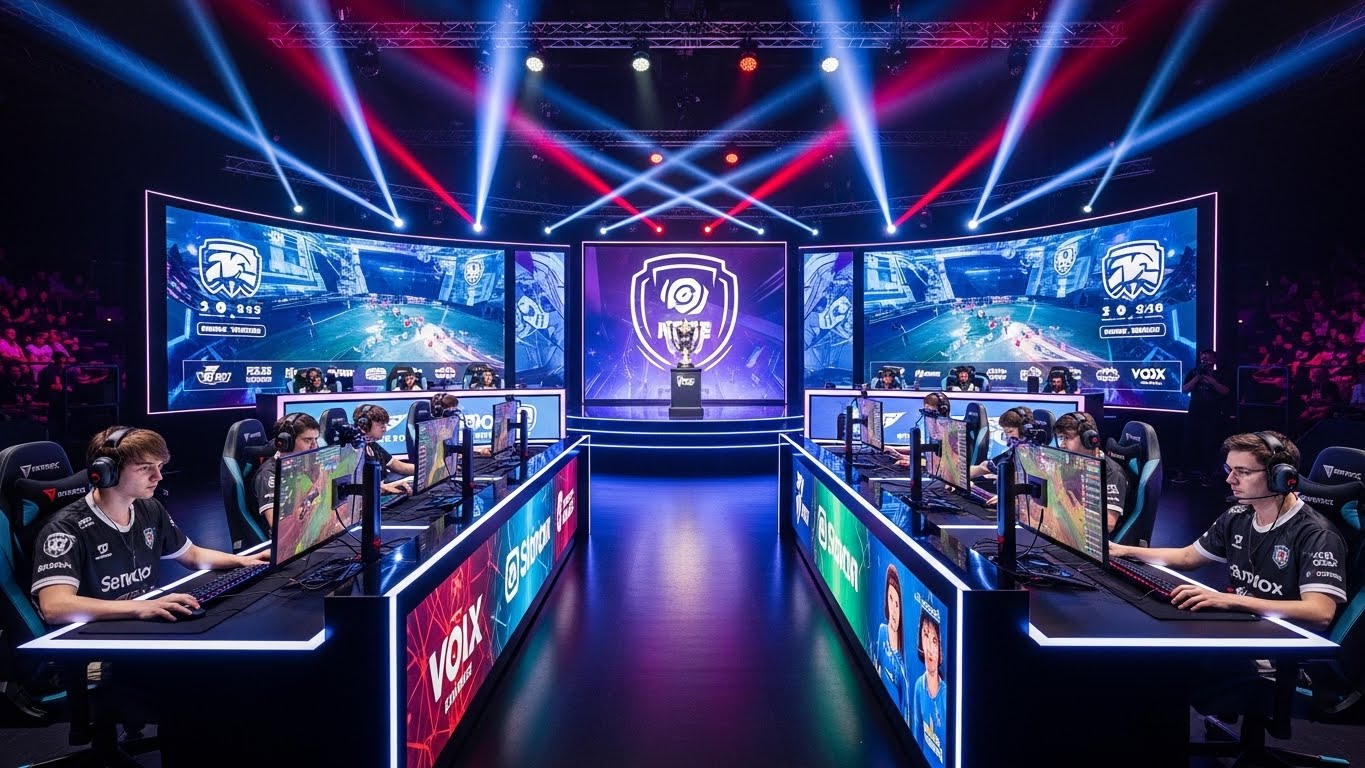
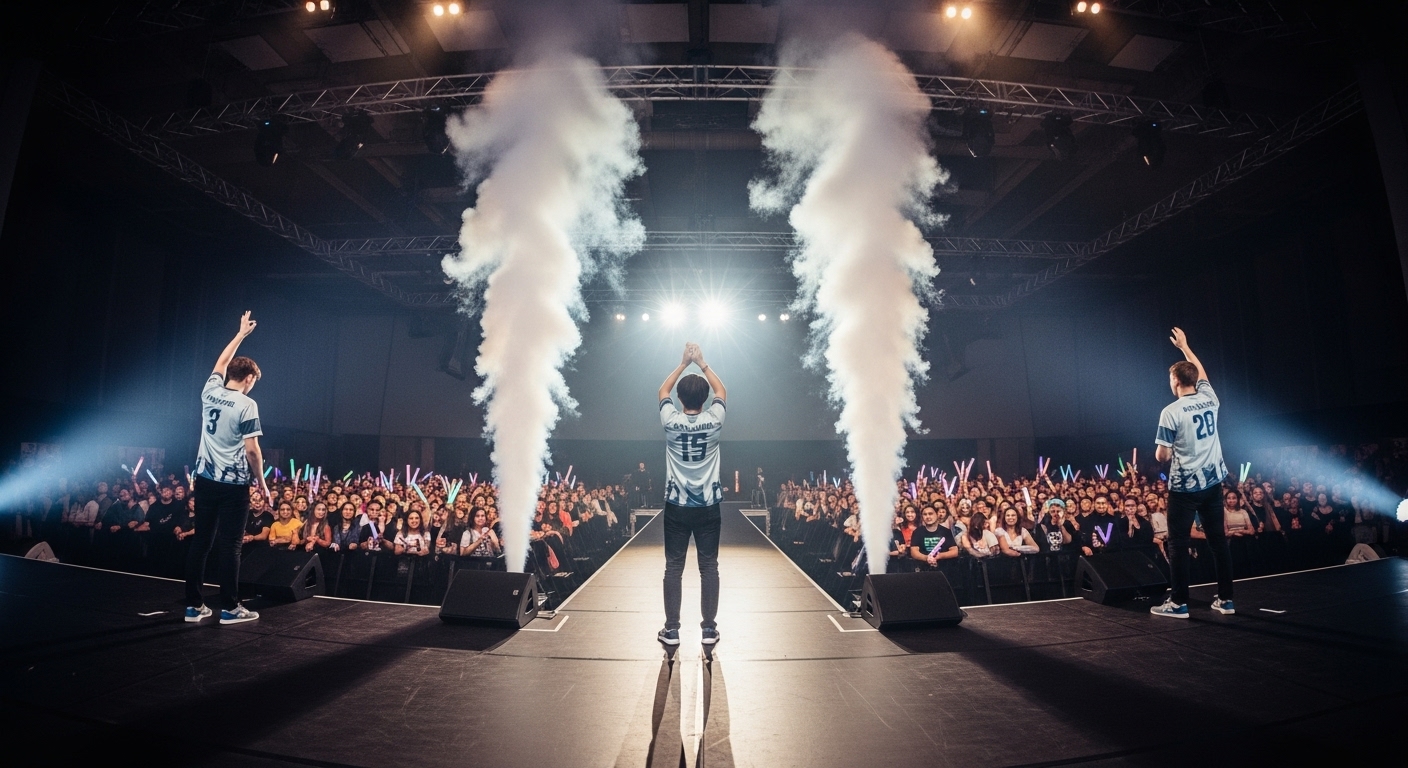
Platforms like Twitch and YouTube Gaming allowed fans to watch tournaments live, making Esports accessible to anyone with an internet connection. Suddenly, players who had once been anonymous were now celebrities, boasting millions of followers and lucrative sponsorships. Major stadiums, once reserved for traditional sports, began hosting Esports events, filling seats with fans cheering for their favorite teams just as passionately as any football or basketball crowd.
Popular Esports Titles: The Games that Defined Generations
Esports thrives across multiple genres, each with its own culture, style, and fanbase. Some of the most influential titles include:
1. League of Legends
Developed by Riot Games, League of Legends (LoL) remains one of the cornerstones of Esports. Its annual World Championship draws millions of viewers globally, with prize pools reaching into the millions. The game’s complexity, strategic depth, and teamwork dynamics have made it a competitive masterpiece.
2. Dota 2
Valve’s Dota 2 stands tall as one of the most prestigious titles in the industry. Its annual tournament, The International (TI), is famous for having some of the largest prize pools in Esports history — often exceeding tens of millions of dollars, thanks to community funding.
3. Counter-Strike: Global Offensive
A successor to the original Counter-Strike, CS:GO has dominated the first-person shooter genre. Its simple yet tactical gameplay emphasizes skill, precision, and teamwork, making it a fan favorite for both players and spectators.
4. Fortnite
Epic Games’ Fortnite redefined what a modern Esport could be. Combining battle royale gameplay with vibrant creativity, it captured the imagination of a new generation of gamers. Its 2019 World Cup saw a teenage player win millions, proving Esports’ mainstream legitimacy.
5. Call of Duty and Overwatch
These titles brought cinematic intensity and fast-paced action to the Esports stage, supported by franchised leagues and major sponsorships. Blizzard’s Overwatch League introduced city-based teams, mirroring traditional sports leagues.
The Business of Esports: Beyond the Game
The Esports industry is more than a competition; it’s a thriving business ecosystem. It includes tournament organizers, sponsors, content creators, hardware manufacturers, broadcasters, and even betting platforms. Revenue streams come from sponsorships, media rights, ticket sales, advertising, and merchandise. In recent years, global Esports revenues have surpassed the billion-dollar mark, with steady growth predicted for the foreseeable future.
Big brands — from automobile companies to energy drink producers — have invested heavily in Esports. The appeal lies in its audience: young, tech-savvy, and globally connected. This demographic is hard to reach through traditional advertising, making Esports sponsorships a valuable marketing channel.
Furthermore, universities and educational institutions have begun offering scholarships for Esports athletes, acknowledging it as a legitimate form of competition requiring discipline, coordination, and skill. Some colleges have even established dedicated Esports programs and arenas, blurring the line between academics and gaming excellence.
Esports as a Career: Opportunities in the Digital Age
Gone are the days when gaming was dismissed as a waste of time. Today, Esports offers a wide array of career paths. While becoming a professional player is the most glamorous route, it’s far from the only one.
1. Professional Players
These athletes dedicate countless hours to mastering their craft. Like traditional sports players, they undergo rigorous training, analyze opponents, and participate in boot camps to refine their skills.
2. Coaches and Analysts
Behind every successful team is a group of analysts and coaches who strategize, review gameplay, and optimize performance. They play a crucial role in a team’s success, focusing on data-driven decisions and tactical adjustments.
3. Commentators and Hosts
Esports broadcasting has given rise to an entire sub-industry of commentators, known as “casters.” Their dynamic commentary and in-depth analysis make the viewing experience exciting and accessible for both casual and hardcore fans.
4. Event Managers and Organizers
Esports events require logistical expertise, from venue selection and technology setup to live production and security. Event managers coordinate these massive productions to ensure flawless execution.
5. Content Creators and Streamers
Platforms like Twitch, Kick, and YouTube have empowered gamers to build personal brands. Many Esports professionals supplement their income by streaming, producing educational content, or collaborating with sponsors.
6. Developers and Designers
The games themselves require constant evolution. Developers, artists, and designers work behind the scenes to refine mechanics, balance gameplay, and innovate features that keep players engaged.
The Role of Technology: Powering the Esports Revolution
Technology is the backbone of Esports. From high-speed internet and advanced gaming hardware to virtual production and augmented reality, tech advancements continuously push the limits of what’s possible.
High-refresh-rate monitors, precision peripherals, and optimized PCs have become the standard for competitive gaming. Meanwhile, artificial intelligence and machine learning tools are being integrated into player analysis, helping teams understand performance trends and adapt strategies.
Cloud gaming and 5G networks are set to revolutionize accessibility. With these innovations, high-quality competitive play can occur from virtually anywhere, reducing latency and democratizing participation for players worldwide.
The Spectator Experience: A New Kind of Fandom
Esports has redefined what it means to be a spectator. Unlike traditional sports, fans can directly interact with their favorite players through live chats, social media, and community forums. This creates a level of intimacy and engagement rarely found elsewhere.
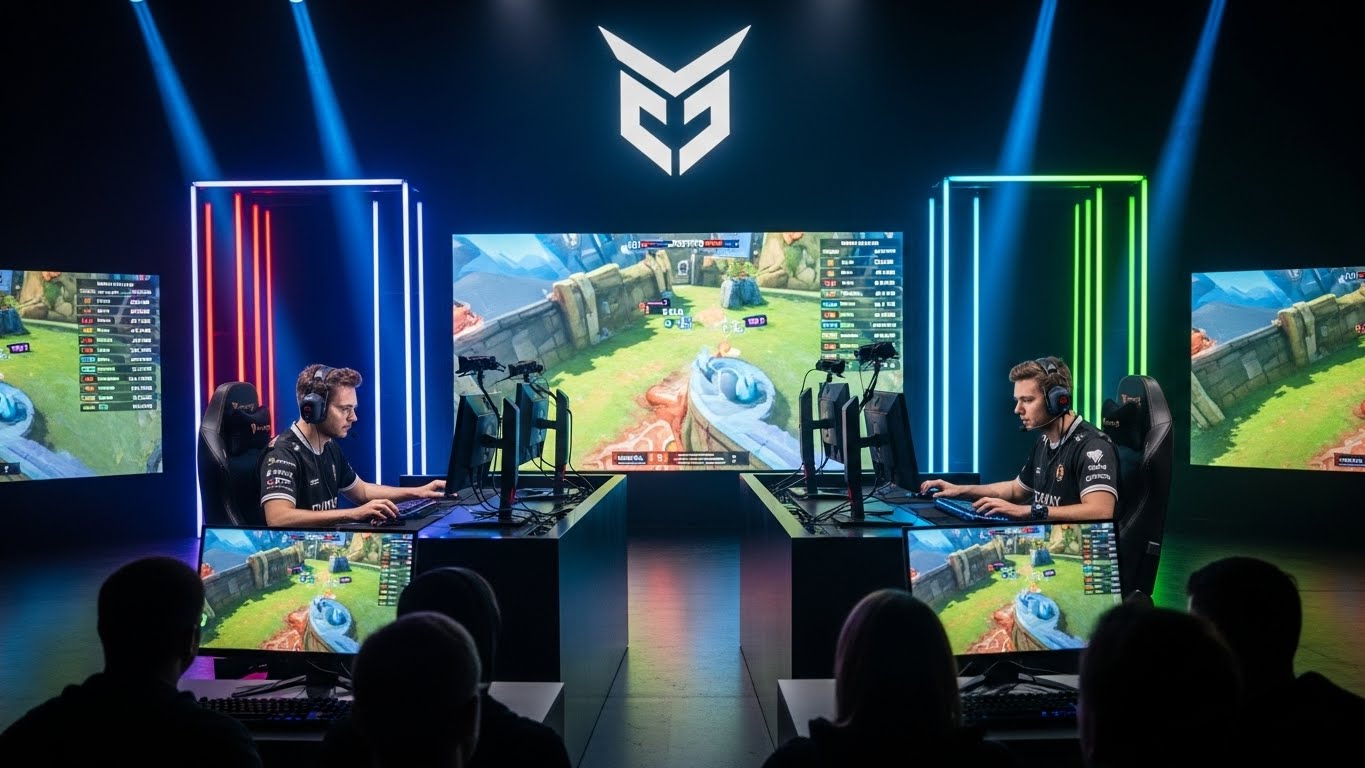
Moreover, Esports broadcasting has adopted cinematic production quality. Multiple camera angles, instant replays, player cams, and real-time statistics enhance the viewer experience. The fan culture is also vibrant, with memes, fan art, and digital communities flourishing around specific teams and games.
Major events such as League of Legends Worlds and The International are now celebrated globally, rivaling traditional sporting spectacles in viewership numbers. The excitement, tension, and sense of belonging that fans feel mirror the emotional highs of physical sports.
Globalization of Esports: Uniting Cultures Through Competition
Esports transcends geographical and cultural boundaries. Whether in Seoul, Los Angeles, or Stockholm, fans unite around shared passion. Countries in Asia — particularly South Korea and China — have been at the forefront of Esports development, with professional leagues operating at a level of sophistication comparable to traditional sports.
In contrast, Western countries have adopted franchised models, creating a structure that appeals to sponsors and investors. This globalization has also led to the rise of international tournaments, where regional champions face off for global supremacy. The result is a melting pot of cultures, styles, and strategies — a true representation of global unity through digital entertainment.
Challenges and Controversies in Esports
Despite its success, the Esports industry faces several challenges. These include player burnout, regulatory issues, cheating, and questions about sustainability.
1. Player Health and Burnout
Professional gamers often practice for 10 to 14 hours a day. This intense schedule can lead to physical and mental health issues such as wrist injuries, eye strain, and stress. Teams and organizations are beginning to address these problems by integrating wellness programs and sports psychologists.
2. Fair Play and Cheating
As with any competition, the temptation to cheat exists. From software hacks to performance-enhancing drugs, maintaining fair play is an ongoing battle. Anti-cheat systems and strict tournament regulations have become critical for the industry’s credibility.
3. Economic Sustainability
While top-tier tournaments attract massive attention, lower-tier teams and players struggle to make a living. Balancing profitability with inclusivity remains a complex challenge.
4. Gender Diversity
Women in Esports often face discrimination and underrepresentation. However, the landscape is gradually changing with more female gamers, casters, and developers gaining recognition and influence. Initiatives promoting inclusivity and diversity are slowly reshaping the community’s culture.
The Educational Impact: Esports in Schools and Universities
The integration of Esports into education is a growing trend. High schools and universities across the globe are launching Esports programs to teach teamwork, leadership, and strategic thinking. These programs go beyond gaming — they introduce students to broadcasting, marketing, and game design.
Some institutions even offer scholarships for exceptional players, recognizing Esports as a legitimate competitive pursuit. This educational expansion not only legitimizes gaming as a career but also fosters digital literacy and innovation among youth.
Esports and the Future of Entertainment
The convergence of Esports with emerging technologies like virtual reality (VR), augmented reality (AR), and artificial intelligence (AI) is shaping its next evolution. Imagine players competing in immersive virtual arenas, or fans attending events in the metaverse from anywhere in the world.
Esports is also influencing other industries, including film, fashion, and music. Collaborations between game developers and artists have produced iconic in-game concerts and virtual merchandise lines, merging culture with technology in unprecedented ways.
Moreover, as younger generations grow up in digital ecosystems, Esports will likely become even more mainstream, potentially rivaling or surpassing traditional sports in both viewership and revenue.
Conclusion: The Future Belongs to Esports
Esports is more than just competitive gaming; it’s a reflection of modern society’s evolution — a blend of innovation, creativity, and global connection. What began as a pastime has become a global spectacle, shaping careers, influencing pop culture, and redefining what it means to be an athlete.
In this new era, digital skill is as respected as physical prowess, and strategy is as thrilling as speed. The Esports phenomenon demonstrates that passion and perseverance can transcend pixels and screens, uniting millions under the banner of shared excitement.
As technology advances and society continues to embrace digital forms of entertainment, one thing is certain: Esports is not the future — it’s the present.