Introduction: The Rise of a Digital Revolution
In the last two decades, the world of competitive entertainment has undergone a remarkable transformation. What began as casual video game sessions among friends has evolved into a billion-dollar global industry known as esports. The rise of esports represents not only the merging of technology and competition but also the redefinition of what it means to be an athlete in the 21st century. The digital arena has become a space where reflexes, strategy, teamwork, and mental endurance matter just as much as physical ability in traditional sports. Esports are not just games anymore; they are a cultural phenomenon shaping the future of entertainment, education, and even business.
The Early Beginnings: From Arcades to Online Battles
The origins of esports can be traced back to the arcade halls and living rooms of the 1980s. The first known video game competition took place in 1972 at Stanford University, where students competed in a game called Spacewar. During the 1980s, titles like Pac-Man and Donkey Kong turned gaming into a social experience, with players gathering to beat high scores. The emergence of home consoles like the Nintendo Entertainment System made competitive gaming accessible to millions. However, it was not until the internet era of the late 1990s that esports began to take a recognizable form. Games like StarCraft, Counter-Strike, and Quake paved the way for organized online competitions. As broadband connections improved, global tournaments became possible, and players could test their skills against opponents from across the world. The foundation for modern esports was laid, waiting for technology and culture to catch up.
The 2000s: Building the Competitive Infrastructure
The early 2000s marked a turning point for esports as gaming networks, professional teams, and sponsors began to take notice of its potential. South Korea emerged as a global leader, transforming esports into a national pastime. StarCraft tournaments were broadcast on television, and players became national celebrities. The country’s investment in gaming infrastructure and culture gave esports a professional structure that other regions soon emulated. In the West, the establishment of leagues such as Major League Gaming and Intel Extreme Masters provided formal competition systems. This period also saw the birth of iconic franchises like Dota, League of Legends, and Call of Duty, which would go on to define the genre. The professionalization of teams, the introduction of coaches, and the formation of gaming organizations gave esports the same legitimacy and structure as traditional sports. Players were no longer hobbyists but full-time professionals representing sponsors and brands.
The 2010s: Esports Goes Global
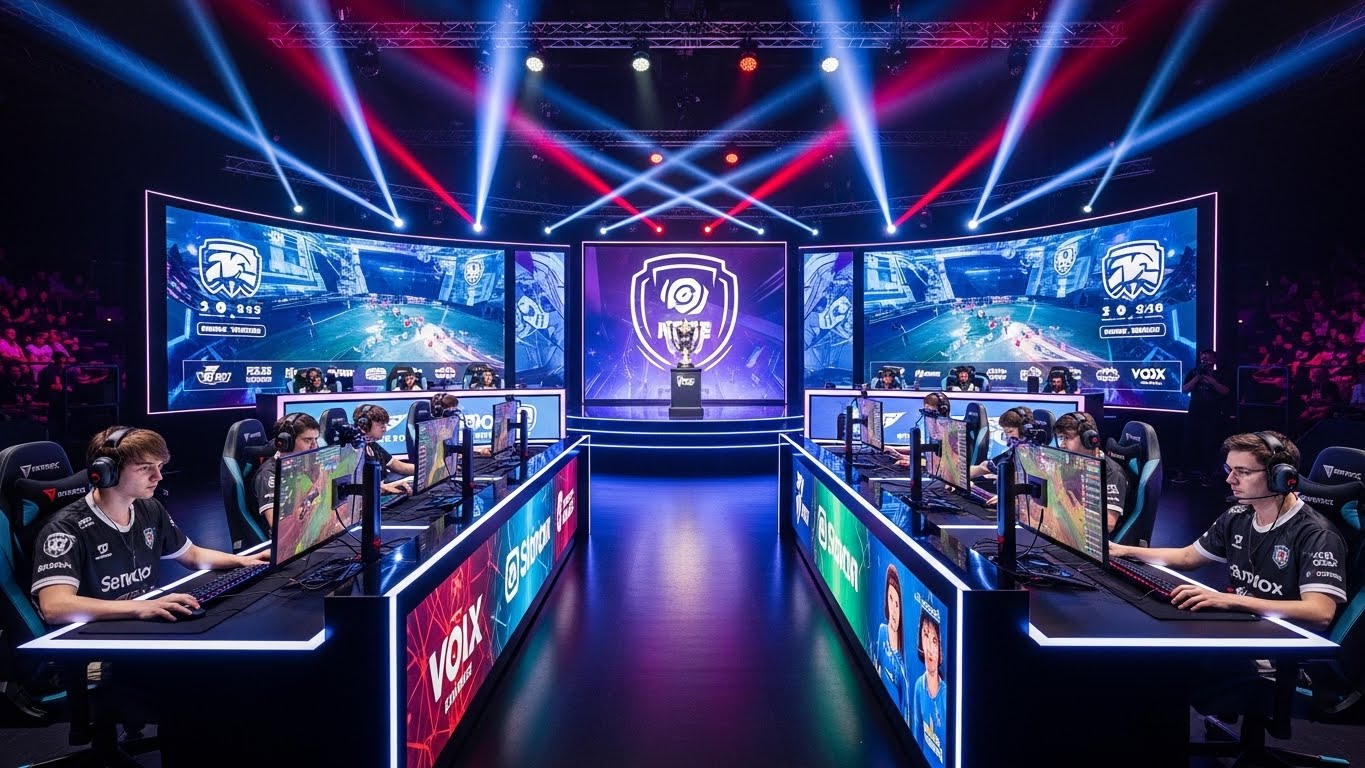
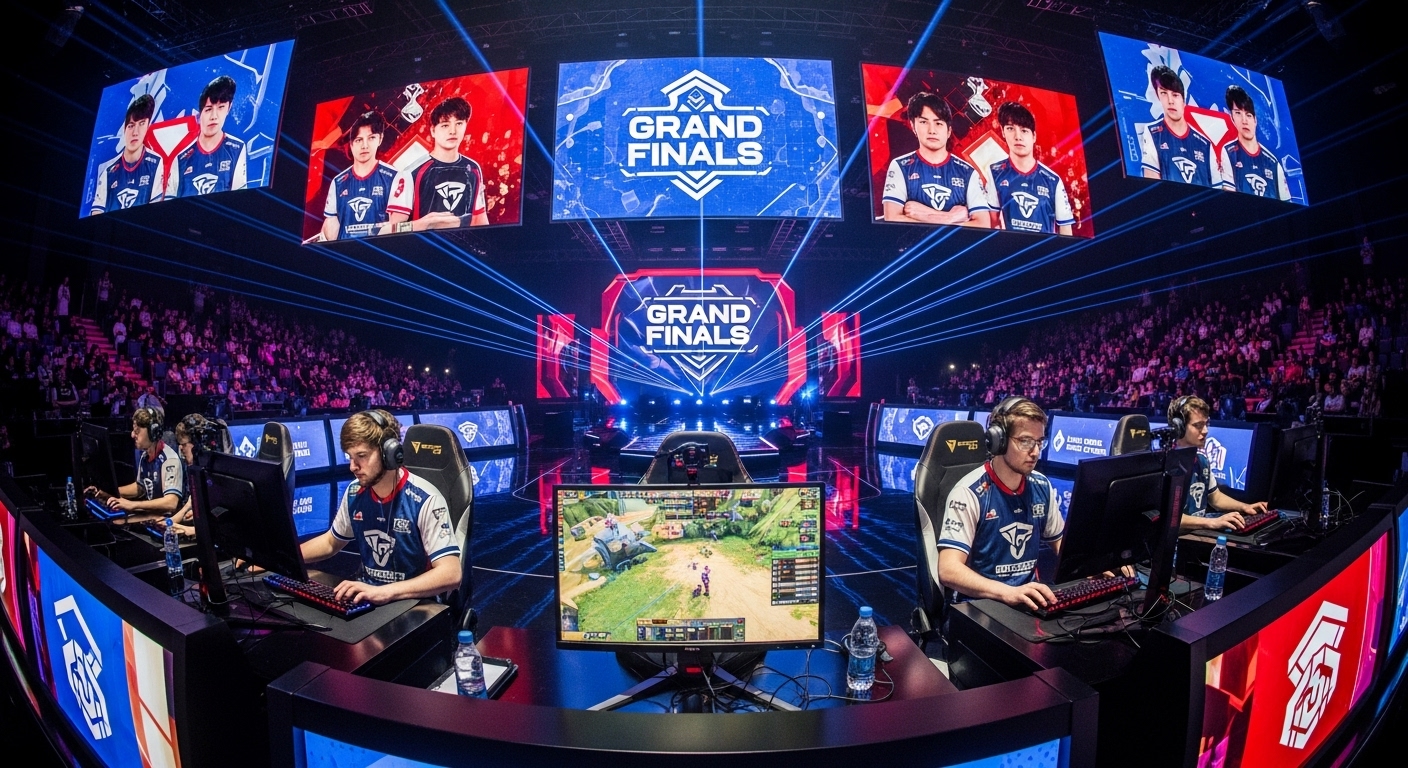
The decade of the 2010s witnessed explosive growth. Streaming platforms such as Twitch and YouTube Gaming revolutionized the way audiences consumed esports. Instead of watching traditional television broadcasts, millions tuned in to live streams of their favorite players and tournaments. The accessibility of these platforms democratized viewership, allowing anyone with an internet connection to participate in the community. Major tournaments like The International for Dota 2, the League of Legends World Championship, and the Fortnite World Cup attracted audiences that rivaled those of major traditional sporting events. Prize pools reached tens of millions of dollars, and esports arenas filled with cheering fans waving banners for their favorite teams. Sponsorships poured in from both gaming-related and mainstream companies, further cementing esports as a mainstream entertainment form. Universities began offering scholarships for esports athletes, and countries started recognizing esports as legitimate sports disciplines.
The Science Behind Esports: Skill, Strategy, and Psychology
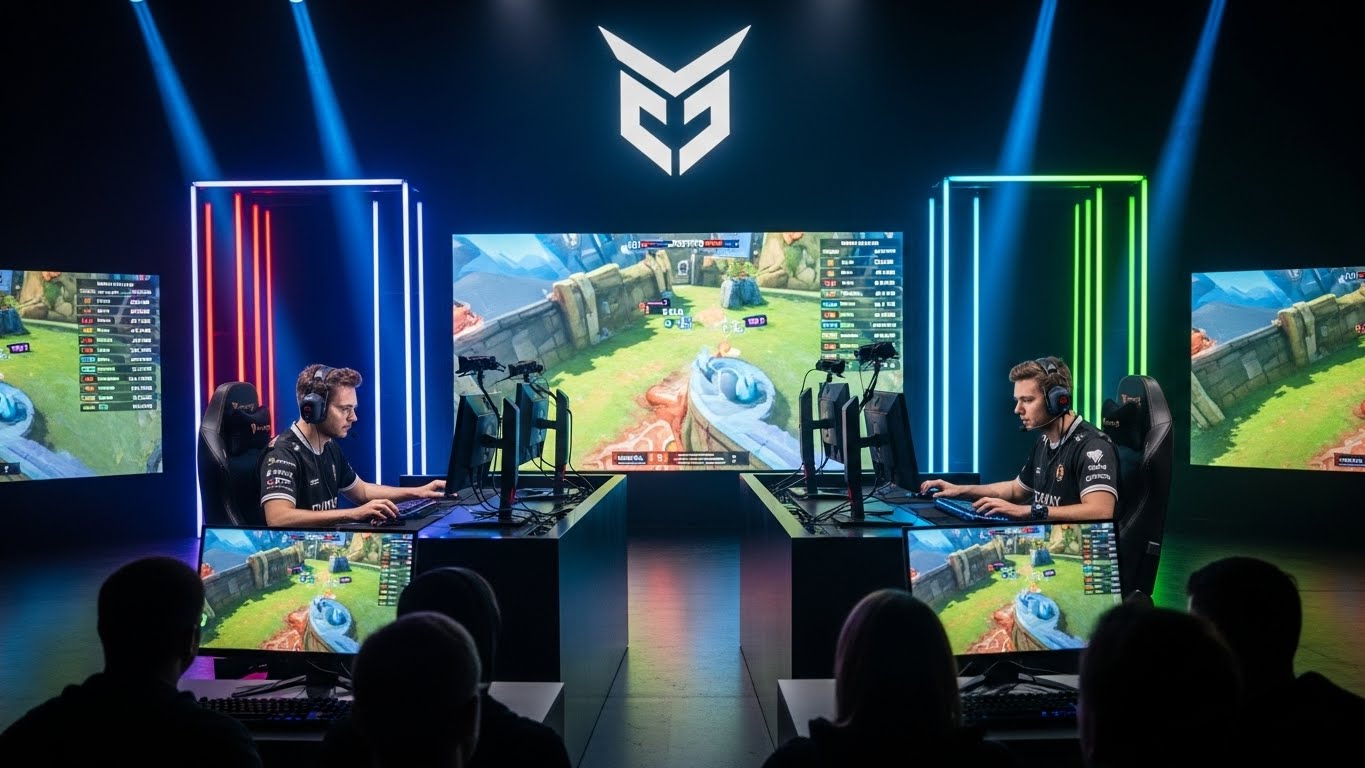
One of the biggest misconceptions about esports is that it lacks physical or mental rigor. In reality, the skill ceiling is extraordinarily high. Professional players undergo intensive training that involves not just mechanical precision but also deep strategic understanding. Reflexes, hand-eye coordination, reaction times, and cognitive flexibility are tested to their limits. Studies have shown that top-tier esports players can execute hundreds of actions per minute while maintaining focus and situational awareness. Mental endurance is equally critical. A single mistake can cost a match, and maintaining composure under immense pressure is a hallmark of great players. Coaches and analysts play a crucial role in preparing teams, studying opponents, and developing winning strategies. In many ways, the preparation mirrors that of traditional sports—structured practice sessions, diet management, mental coaching, and teamwork drills are all part of an esports athlete’s regimen.
The Economic Powerhouse: How Esports Became a Billion-Dollar Industry
The financial success of esports is one of the most remarkable stories in modern entertainment. According to industry analyses, the global esports market has surpassed a billion dollars in annual revenue, with projections to grow even further. The ecosystem is supported by sponsorships, advertising, media rights, ticket sales, and merchandise. Major corporations see esports as a gateway to reach younger digital-native audiences who consume content differently than traditional sports fans. Game publishers have also recognized the economic and promotional power of esports, investing heavily in tournaments and professional leagues. Cities now compete to host esports events, knowing they can draw massive international audiences and tourism revenue. Even luxury brands have entered the scene, sponsoring teams and designing custom gaming gear. Esports has become not just entertainment but a business empire built on passion and digital innovation.
Esports as a Cultural Movement
Beyond the economics and competition, esports has become a cultural movement. It reflects the identity of a generation raised in the digital era. Fans engage through memes, community discussions, cosplay, and fan art. Esports personalities have become influencers with millions of followers, shaping trends far beyond gaming. The culture of inclusivity and diversity in gaming communities has also evolved, though not without challenges. Women, LGBTQ+ players, and individuals from diverse backgrounds are increasingly finding representation and voice within esports, pushing the industry toward greater equality and acceptance. The sense of global connection and shared experience is perhaps esports’ greatest cultural achievement. A player in Brazil can cheer for a team in Europe or compete against someone in Japan, united by their love for the game.
The Role of Technology in Shaping Esports
Technology is the heartbeat of esports. From high-speed internet connections to advanced gaming peripherals, every innovation contributes to the competitive experience. Virtual reality and augmented reality are beginning to merge physical and digital gaming spaces. Artificial intelligence is used to analyze gameplay, helping teams improve performance and strategy. Cloud gaming and 5G networks are expanding accessibility, allowing players to compete at high levels without expensive hardware. As technology continues to evolve, esports will only grow more immersive and interactive. Spectator experiences are also transforming, with virtual arenas, holographic projections, and real-time stats enhancing viewer engagement. Esports does not just ride the wave of technology—it helps drive it.
Challenges Facing the Esports Industry
Despite its success, esports faces significant challenges. Player burnout is a major issue, as constant competition and long practice hours take a toll on mental and physical health. Regulatory inconsistencies across countries make it difficult to create standardized systems for contracts, transfers, and competitions. Match-fixing, cheating, and gambling controversies have occasionally threatened the integrity of the sport. Additionally, gender discrimination and harassment remain areas that require serious attention. The industry’s rapid growth means policies and protections have sometimes lagged behind. However, organizations and governing bodies are increasingly taking steps to address these issues. With better player unions, mental health support, and ethical standards, esports can mature into a sustainable and respected global sport.
The Future of Esports: A Global Digital Olympics
Looking ahead, the future of esports appears brighter than ever. With discussions about including esports in multi-sport events such as the Olympics, the line between physical and digital sports continues to blur. Educational institutions are integrating esports into curricula, recognizing the value of teamwork, strategy, and technology skills it fosters. Virtual and augmented reality are likely to make esports even more immersive, blending the boundaries between viewer and participant. The industry is also becoming more inclusive, with mobile esports providing access to regions previously left out of the conversation. In the next decade, esports could become the most watched form of entertainment globally, connecting billions through shared competition and creativity.
Conclusion: The New Definition of Competition
Esports has redefined what it means to compete in the modern world. It has shown that athleticism is not limited to physical exertion but includes mental acuity, strategy, and technological mastery. From humble beginnings in arcades to massive international arenas, esports represents the power of passion meeting progress. It brings together players, fans, and innovators from every corner of the globe in a celebration of skill and community. As technology continues to evolve, so too will the digital arena, reminding us that the future of competition lies not just on the field or court but also in the virtual worlds we create.