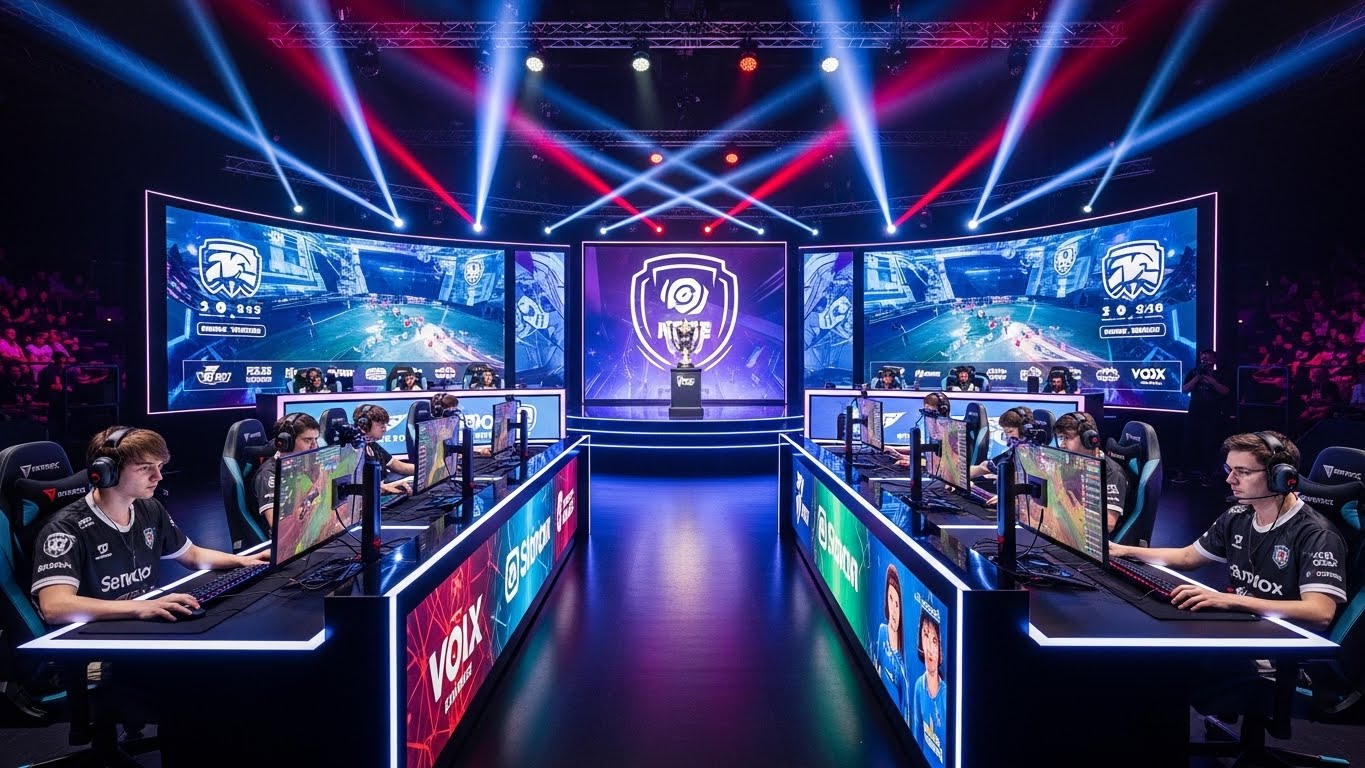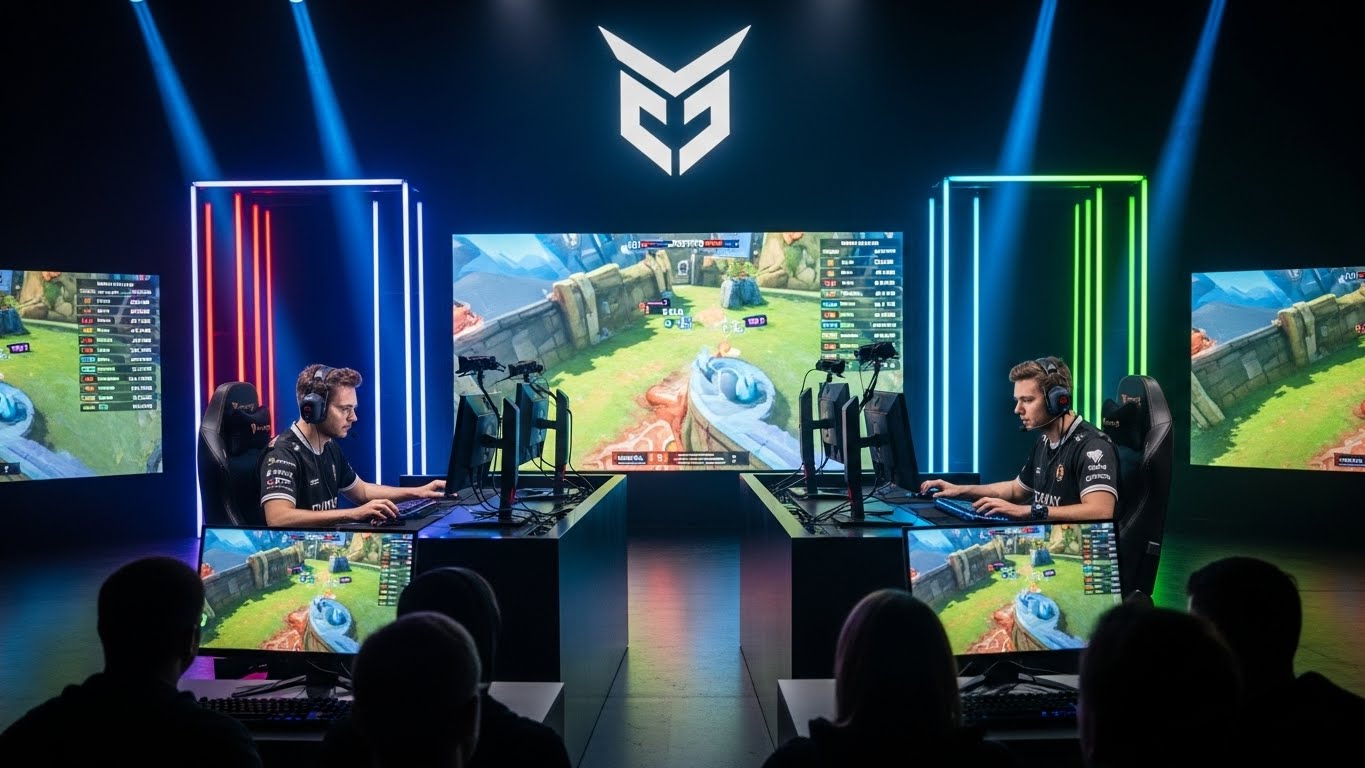

Esports, the competitive realm of video gaming, has evolved from a niche hobby to a multi-billion-dollar global industry. What began as informal gatherings of gaming enthusiasts has transformed into a professional sport with millions of viewers, massive sponsorships, and a rapidly growing community. As esports continues to captivate the world, its influence on entertainment, culture, and technology becomes more profound. This blog post explores the rise of esports, its impact on the global entertainment landscape, and what lies ahead for this dynamic industry.
The Emergence of Esports: From Arcade to Arena
The history of esports can be traced back to the 1990s, when competitive gaming started gaining popularity in the form of local tournaments and arcade competitions. However, it wasn’t until the early 2000s that esports began to take its current shape. Games like StarCraft, Warcraft, and Counter-Strike began to dominate the competitive scene, and the concept of esports leagues and tournaments slowly emerged.
In these early days, most esports events were held in LAN (Local Area Network) cafes, where players gathered to compete face-to-face. The development of online gaming in the late ’90s and early 2000s opened up new possibilities, allowing players from around the world to compete without needing to be physically present. The advent of high-speed internet and the rise of streaming platforms like Twitch played a pivotal role in the industry’s growth.
The Boom of Esports: The Digital Revolution
As broadband internet became more widespread, esports saw a massive increase in popularity. Games like League of Legends, Dota 2, and Overwatch attracted millions of players globally. These games offered not just competitive gameplay but also vibrant communities, fanbases, and professional scenes.
One of the most significant milestones for esports was the creation of major tournaments and leagues. For example, Riot Games introduced the League of Legends World Championship, which has grown into one of the largest esports events in the world. Similarly, The International for Dota 2 set a new standard for prize pools, with millions of dollars up for grabs, making the event one of the most lucrative in esports.
Streaming platforms, particularly Twitch, became the main vehicle for esports broadcasting. The ability to watch professional gamers live, interact with them, and follow their journey was a game-changer. Viewership of esports skyrocketed, and with it, the sponsorships, advertising deals, and overall commercialization of the industry.
The Esports Ecosystem: Key Players and Components
The world of esports is made up of various interconnected components that fuel its growth. These elements combine to create a complex ecosystem that drives both competition and entertainment.
Professional Players and Teams
At the heart of esports are the professional players and teams. Players dedicate countless hours to mastering their games, participating in tournaments, and representing their organizations in the competitive scene. Just like traditional sports, esports athletes often have coaches, analysts, and support staff who help them refine their skills and strategies.
Esports teams have become major organizations, with multi-million dollar sponsorships and merchandising deals. Teams compete in various leagues and tournaments throughout the year, with some of the most famous esports organizations including T1, Team Liquid, Cloud9, and Fnatic. These teams often sign top-tier players to multi-year contracts, giving them the stability and resources to train at the highest levels.
Tournaments and Leagues
Esports tournaments have become global spectacles, with millions of dollars in prize money on the line. Games like CS:GO, League of Legends, Fortnite, and Call of Duty all feature major tournaments where the best teams and players from around the world compete for glory. These events are often broadcast live, with millions of viewers tuning in to watch the action unfold.
Professional leagues like the Overwatch League and the Call of Duty League have further solidified esports as a legitimate form of professional sport. These leagues operate in a similar manner to traditional sports leagues, with regular seasons, playoffs, and championship events.
Fans and Communities
Esports wouldn’t be what it is without its dedicated fanbase. Fans not only watch games but also engage in discussions, create content, and support their favorite players and teams. Esports communities have formed across various platforms, including Reddit, Twitter, Discord, and YouTube. These communities foster a sense of belonging and allow fans to interact directly with their favorite players.
Esports fans are also incredibly loyal, often following a player or team for years, creating a sense of attachment and passion that is similar to traditional sports fandom. Many fans also contribute to the success of esports through the purchase of merchandise, digital goods (like skins or emotes), and by attending live events.
The Global Impact of Esports
Esports is not just a Western phenomenon; it is a global movement that transcends borders and cultures. While esports initially gained traction in countries like the United States, South Korea, and Europe, it has since spread to Asia, Latin America, the Middle East, and even Africa. This global reach has turned esports into a truly international industry.
Esports in Asia
In countries like South Korea and China, esports is more than just a hobby; it is a cultural phenomenon. South Korea, in particular, has been at the forefront of esports for decades. Games like StarCraft helped establish the country’s dominance in the esports world, and professional leagues have been an integral part of the South Korean gaming scene since the early 2000s. The country even has dedicated esports stadiums and television broadcasts, which are common sights for esports fans.
China, too, has emerged as a dominant force in esports. The country has produced some of the most successful esports players in history and is home to a growing number of major tournaments and leagues. The rise of mobile esports in China has also opened up new avenues for competition, with games like Honor of Kings and PUBG Mobile attracting millions of players.
Esports in the West
In the West, esports has grown significantly over the past decade. The United States has become a major hub for esports events, with cities like Los Angeles and New York hosting large-scale tournaments. Games like League of Legends and Fortnite have seen immense success in the region, with major sponsorships and partnerships from companies like Coca-Cola, Intel, and Red Bull.
The rise of esports in North America is also due in part to the expansion of collegiate esports. Universities and colleges across the U.S. have started offering scholarships for esports athletes, and many now have dedicated esports teams and facilities. This trend has contributed to the professionalization of esports, with young players using college leagues as a stepping stone to a career in the industry.
The Future of Esports: Challenges and Opportunities
While the rise of esports has been nothing short of remarkable, the industry faces several challenges as it continues to grow.
Sustainability of Esports
One of the primary concerns about esports is its long-term sustainability. As the industry grows, so do the costs associated with hosting major tournaments and running professional teams. There is also a growing concern about the mental and physical health of players, who often face intense pressure to perform at the highest level.
To address these challenges, many esports organizations are focusing on creating sustainable business models, including developing streaming platforms, selling digital goods, and securing long-term sponsorship deals. Additionally, there is a growing focus on player welfare, with many organizations implementing mental health support and physical training programs for their players.
Integration with Traditional Sports
Esports’ integration with traditional sports is another area of potential growth. In recent years, traditional sports organizations like the NBA, NFL, and European football clubs have invested in esports teams and leagues. This partnership has opened up new opportunities for esports, including cross-promotion, larger sponsorship deals, and greater mainstream recognition.
Mobile Gaming and Esports
Mobile gaming is one of the fastest-growing sectors in the gaming industry, and its influence on esports is undeniable. Games like Clash Royale, PUBG Mobile, and Free Fire have all created competitive ecosystems around mobile platforms. The growing popularity of mobile esports, particularly in regions like Southeast Asia and India, presents new opportunities for the industry to reach untapped audiences.
Conclusion: Esports is Here to Stay
Esports has come a long way from its humble beginnings in local LAN cafes to becoming a global powerhouse of entertainment. With millions of players, dedicated fans, and major sponsorships, esports is firmly entrenched as a legitimate form of competitive entertainment. As the industry continues to evolve, the integration of technology, the expansion into new regions, and the development of new game titles will only accelerate its growth.
While there are challenges to overcome, such as sustainability and player welfare, the future of esports looks incredibly bright. Whether you’re a casual gamer or a die-hard fan, it’s clear that esports is here to stay, and it will only continue to shape the future of entertainment for years to come.