Introduction: A New Age of Competitive Entertainment
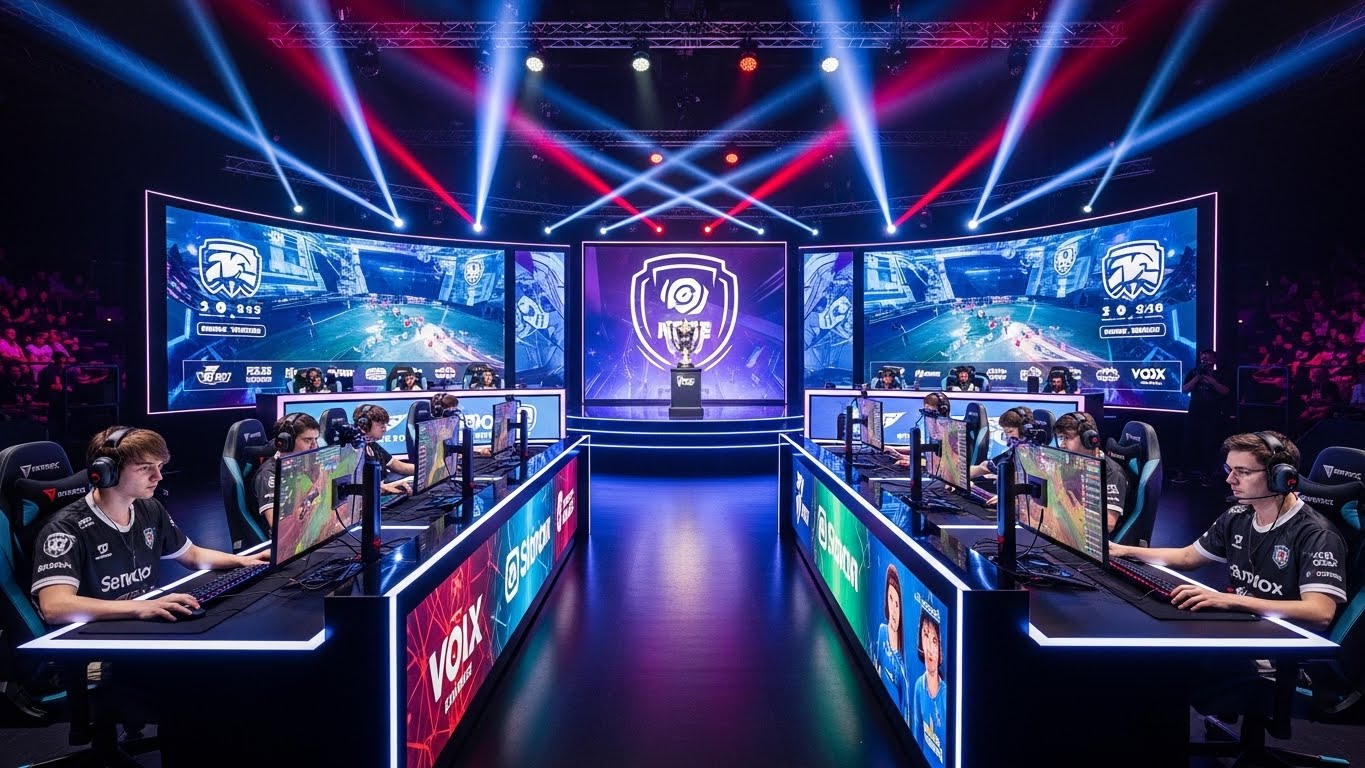
In the last decade, esports has transformed from a niche hobby into one of the most influential entertainment industries in the world. What was once seen as casual gaming among friends has grown into a billion-dollar global stage where professional players, massive audiences, and worldwide tournaments coexist. Today, esports rivals traditional sports in viewership, sponsorship, and cultural impact. This blog explores the rise of esports, its evolving ecosystem, and why it has become a defining symbol of modern digital culture.
The Evolution of Competitive Gaming
To understand the power of esports, it helps to look back at its journey. The earliest forms of competitive gaming date as far back as the 1970s, when local arcades hosted high-score competitions. These small gatherings set the foundation for what was to come. As home consoles and personal computers improved, competitive gaming slowly gained a foothold. Games like Street Fighter, Counter-Strike, StarCraft, and later League of Legends and Dota 2 changed the gaming landscape entirely.
What once required physical presence at arcades evolved into online battles accessible to anyone with an internet connection. The shift to online competition dramatically expanded the player base. This accessibility was a key reason esports began its meteoric rise. Suddenly, gamers could compete with others around the world, sharpening their skills and climbing ranked ladders that created virtual battlegrounds millions wanted to conquer.
The Rise of Professional Players
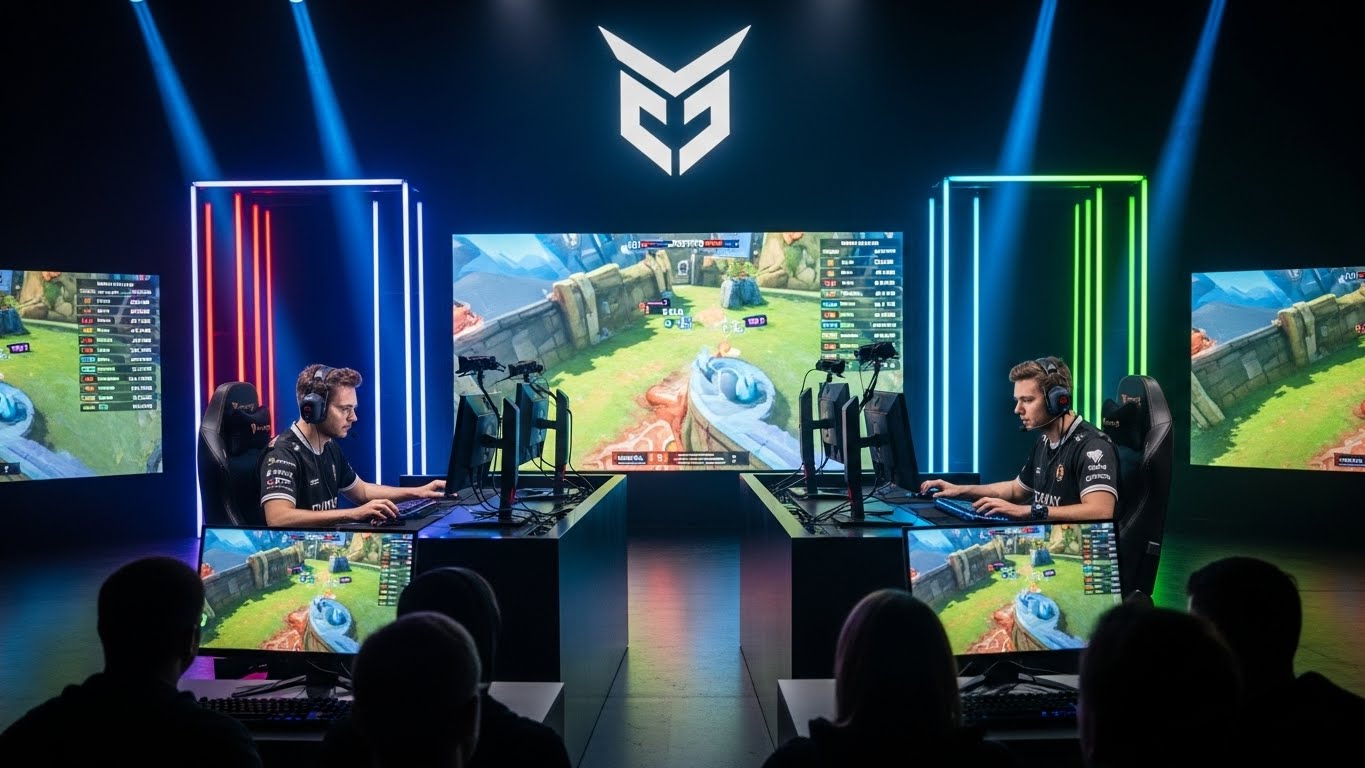
As esports grew, so did the professionalism of its players. Talented individuals who once played casually began training rigorously, treating games like athletes treat their sports. Today, professional esports players often practice between six and ten hours a day. They study strategies, analyze their opponents, and refine their reflexes with measurable precision.
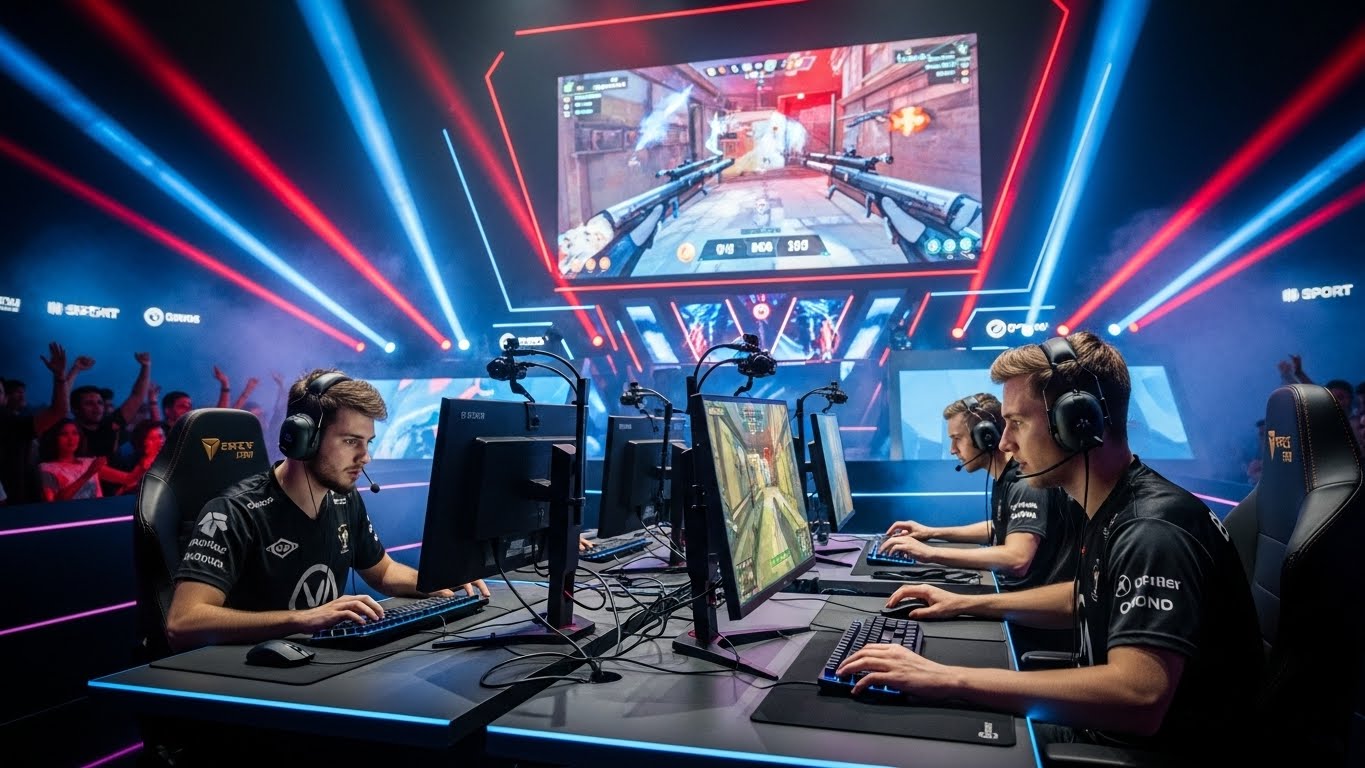
These players are not just skilled individuals but symbols of dedication. Many compete under the banner of prestigious teams supported by coaches, analysts, nutritionists, and psychologists. This structured environment mirrors that of traditional sports teams, highlighting how far esports has come in professionalism. The commitment required to succeed in esports is immense, and the stakes have never been higher with major tournaments offering life-changing prize pools.
Esports Titles That Dominate the Scene
Not all games qualify as esports. To reach that status, a game needs competitiveness, balance, and a strong community. A few titles have shaped the esports world more than any others.
Games like League of Legends and Dota 2 dominate the multiplayer online battle arena genre. Both titles have massive global communities and annual tournaments with millions of viewers. First-person shooters like Counter-Strike and Valorant set the benchmark for tactical precision, strategy, and teamwork. Meanwhile, games like Fortnite and PUBG brought battle royale competition to the mainstream, redefining how large-scale online matches could work.
Each game offers something unique, yet all share one essential feature: they inspire competition, mastery, and entertainment.
The Audience: A Global Community United by Play
One of the most astonishing aspects of esports is its viewership. Millions tune in regularly to watch their favorite teams battle for dominance. Unlike traditional sports, esports has no geographic boundaries and is not limited by time zones or local fanbases. Anyone with a device can join the live experience.
This global accessibility has created a passionate and diverse community. Fans discuss strategies, celebrate victories, meme their favorite moments, and defend their teams just like fans of soccer or basketball. Esports audiences are among the most engaged communities online, offering constant support to players and creating a thriving culture of content, analysis, and commentary.
The Economic Impact of Esports
Esports is not only a cultural milestone but also a financial powerhouse. Prize pools for major tournaments can reach tens of millions of dollars, and sponsorships from major brands play a crucial role in funding teams and events. Companies in technology, energy drinks, apparel, automotive, and communication industries have all embraced esports as a valuable marketing channel.
Streaming platforms contribute significantly to revenue through advertisements, subscriptions, and donations. Merchandise such as team jerseys, gaming gear, and collectibles adds another layer to the economic ecosystem. With increasing investment, the esports market continues to expand, opening opportunities for players, creators, event organizers, and even educators who now consider esports a viable academic and career pathway.
Training, Strategy, and the Science Behind Winning
Winning in esports requires far more than quick reflexes. Strategy, teamwork, communication, and adaptability are essential components of success. Teams often spend countless hours studying gameplay footage, analyzing opponents’ tactics, and experimenting with new strategies.
Professional teams employ analysts who break down every small detail: player positioning, timing, resource management, and psychological factors. Coaches help players stay mentally strong, ensuring they maintain focus under pressure. Some organizations even provide physical fitness resources, recognizing that a healthy body contributes to a healthy mind.
Esports training has become so advanced that it mirrors traditional sports coaching in many ways. This level of preparation shows the depth of skill and intelligence required to compete at the highest level.
Esports in Education and Career Development
Esports is becoming more than entertainment. Schools and universities worldwide are now offering esports programs, scholarships, and training facilities. Students are learning about game design, event management, content creation, coaching, and psychology through esports-related programs. The skills developed through competitive gaming—strategic thinking, teamwork, leadership, problem-solving—are valuable across many industries.
This educational integration legitimizes esports further, demonstrating that the digital arena can provide meaningful career pathways. Whether as a player, analyst, programmer, marketer, or content creator, esports offers a wide range of opportunities.
The Influence of Technology on Esports Growth
Technology has been the backbone of esports expansion. High-speed internet, advanced gaming hardware, powerful streaming platforms, and mobile devices have transformed gaming accessibility. Virtual reality and augmented reality promise to push these boundaries even further, opening new dimensions of interactive competition.
Artificial intelligence is also influencing training methods, helping players analyze gameplay patterns and improve decision-making. Cloud gaming could make high-end esports titles more accessible, allowing more participation from regions with limited hardware resources. As technology continues to advance, esports will evolve alongside it, offering richer and more immersive experiences.
The Social and Cultural Impact of Esports
Esports has become a significant cultural force, influencing fashion, music, marketing, and even language. Many professional players and streamers have become celebrities, shaping trends and connecting with millions through live streams and social media.
Esports events have become large cultural gatherings, featuring music performances, cosplay, and community activities. These events bring people together regardless of background, nationality, or language. They celebrate creativity, competition, and diversity.
In many ways, esports has reshaped how society views entertainment. It has shown that passion for digital competition can unite people across the globe, creating connections that transcend borders.
Challenges Facing the Esports Industry
Despite its success, esports faces several challenges. Player burnout is a growing concern due to long practice hours and intense competition. Maintaining balanced gameplay requires constant updates from developers, and controversies around cheating or unfair advantages occasionally disrupt events.
Additionally, the rapid growth of the industry demands better regulation, player protection, and long-term sustainability. Ensuring fair pay, stable contracts, and mental health support will be crucial for the future of professional esports.
The Future of Esports
Looking forward, esports is poised for even greater expansion. As virtual reality, augmented reality, and artificial intelligence continue to evolve, the possibilities for new competitive formats are practically limitless. Integration with traditional sports, global franchising, and increased mainstream recognition will further solidify its position as a dominant cultural force.
Esports is not just a trend but a significant movement shaped by technology, innovation, and human connection. It continues to rewrite the definition of sports and entertainment in the digital age.
Conclusion: A New Frontier for Global Competition
Esports has become more than a pastime. It is a global phenomenon fueled by passion, talent, technology, and community. From its humble beginnings to its current worldwide influence, it represents the essence of modern digital culture. As the industry continues to grow, one thing is clear: esports is here to stay, and its impact will continue to shape the future of competition and entertainment for generations to come.