Introduction: A Digital Revolution in Competition
Esports has rapidly emerged as one of the most influential forms of competition and entertainment in the modern world. What was once viewed as casual gaming has grown into a structured, professional industry with global tournaments, elite players, massive audiences, and significant economic value. Esports represents a shift in how competition is defined, blending technology, skill, and strategy into a new kind of sporting experience.
This blog explores the world of esports in depth, examining its origins, structure, players, cultural influence, challenges, and future. Understanding esports goes far beyond watching a screen; it requires recognizing the dedication, discipline, and community that power this digital arena.
The Early Roots of Competitive Gaming
Competitive gaming existed long before the term esports became popular. In the early days of video games, players competed for high scores in arcades and local gatherings. These informal competitions were fueled by curiosity, rivalry, and the desire to master new technology.
As gaming systems improved and personal computers became more common, competitive play expanded. Local multiplayer games introduced skill-based challenges, while the rise of the internet enabled players to compete across cities and countries. This global connectivity laid the foundation for organized tournaments and professional gaming.
Defining Esports in the Modern Era
Esports refers to organized, competitive video gaming where individuals or teams compete under structured rules for recognition, rankings, and prizes. Unlike casual gaming, esports emphasizes mastery, consistency, and high-level performance.
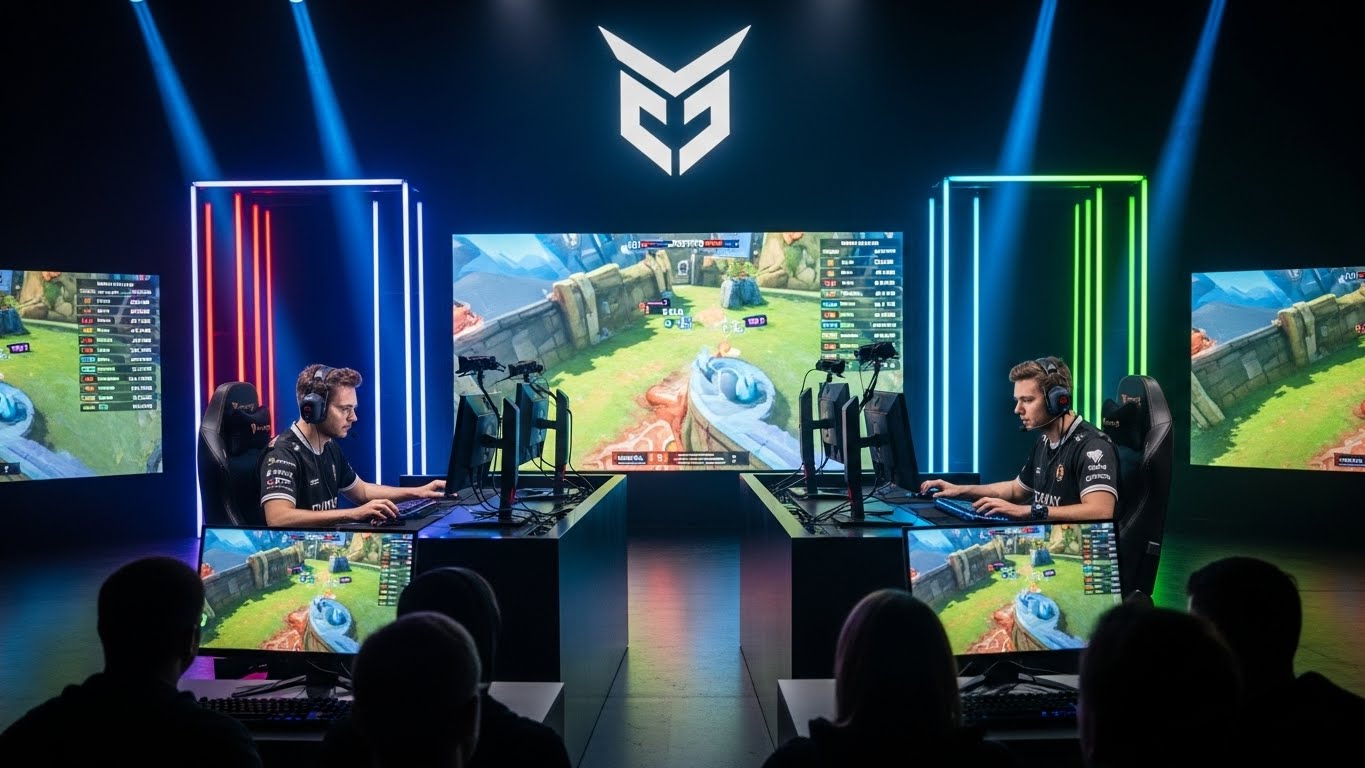
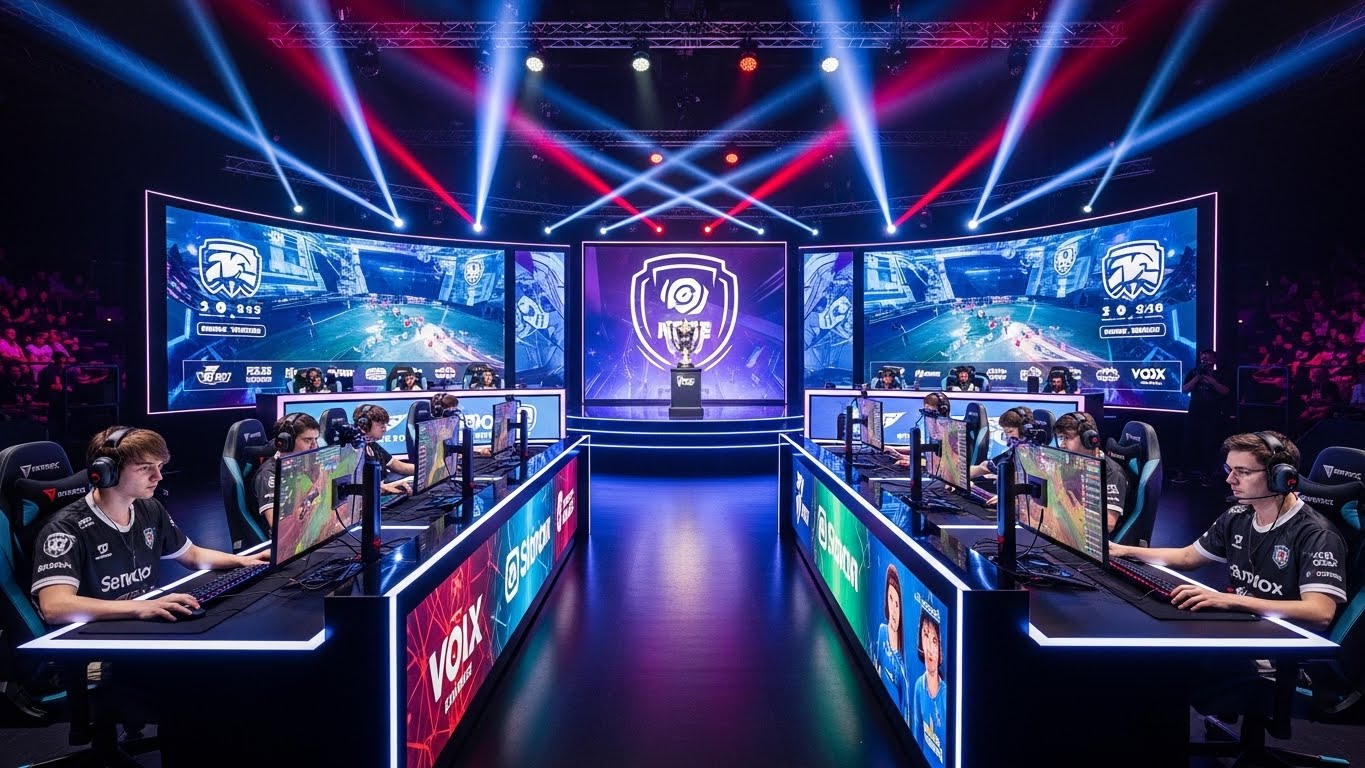
Professional esports involves scheduled practice, coaching, strategy development, and performance analysis. Matches are broadcast to live audiences, complete with commentators and analysts who break down gameplay in real time. This structure mirrors traditional sports, reinforcing esports as a legitimate competitive discipline.
Popular Esports Genres and Competitive Formats
Esports includes a wide range of game genres, each offering unique competitive experiences. Multiplayer online battle arena games focus on teamwork, map control, and strategic coordination. First-person shooters emphasize reflexes, accuracy, and communication. Strategy games reward long-term planning, adaptability, and mental endurance, while sports simulation games replicate real-world athletics in digital form.
Tournament formats vary across esports titles. Some competitions use seasonal leagues with standings and playoffs, while others rely on open tournaments that allow new teams to rise through qualification. This diversity keeps esports dynamic and accessible to players and fans alike.
The Esports Athlete: Skill Meets Discipline
Professional esports players are often misunderstood as simply playing games for fun. In reality, they are high-performance competitors who dedicate years to mastering their craft. Success requires exceptional hand-eye coordination, fast decision-making, game knowledge, and mental resilience.
Training schedules can involve many hours each day, including practice matches, strategy meetings, and replay analysis. Physical fitness and mental health have become increasingly important, with organizations encouraging exercise, proper nutrition, and psychological support to sustain peak performance.
Teams, Organizations, and Professional Structure
Esports teams and organizations form the backbone of the industry. These entities recruit talent, manage contracts, provide training facilities, and oversee branding and sponsorships. Successful organizations operate like professional sports clubs, with managers, coaches, analysts, and marketing teams.
Leagues and tournament organizers create consistency and structure within esports. They establish rules, schedules, and competitive standards that ensure fairness and integrity. This professional framework has helped esports gain credibility and attract long-term investment.
The Role of Fans and Community Engagement
The esports community plays a crucial role in its success. Fans actively participate by watching live matches, discussing strategies, supporting teams, and creating content. Unlike traditional sports, esports allows for direct interaction between players and fans, strengthening emotional connections.
Community-driven events, amateur tournaments, and online discussions keep esports accessible and inclusive. This participatory culture helps sustain interest and allows new talent to emerge, reinforcing esports as a shared global experience.
Streaming and Esports Media Culture
Streaming platforms have transformed how esports is consumed. Fans can watch competitions live, follow professional players, and learn advanced strategies in real time. This accessibility has expanded esports audiences far beyond physical venues.
Esports media also includes interviews, documentaries, and analysis shows that explore the personal journeys of players and teams. These stories add depth to competitions, highlighting the challenges, sacrifices, and triumphs behind every match.
Economic Growth and Career Opportunities
Esports has developed into a powerful economic ecosystem. Revenue comes from sponsorships, merchandise, ticket sales, and media coverage. Major tournaments generate significant financial activity and create employment opportunities across multiple sectors.
Career paths in esports extend beyond playing professionally. Coaches, analysts, broadcasters, event managers, designers, and content creators all contribute to the industry. Educational institutions increasingly recognize esports-related careers, offering training programs that prepare individuals for this evolving field.
Challenges Within the Esports Industry
Despite its growth, esports faces several challenges. Player burnout remains a concern due to intense schedules and high expectations. Inconsistent regulations and financial instability can also affect teams and tournaments.
Public perception continues to evolve. While esports is gaining acceptance, some still question its legitimacy as a sport. Addressing these challenges requires stronger governance, improved player welfare, and continued efforts to educate audiences about the skill and dedication involved.
Esports as a Global Cultural Movement
Esports has become a global cultural force that transcends geography and language. International competitions bring together players and fans from diverse backgrounds, fostering shared experiences and mutual respect.
Esports also influences fashion, music, and online culture, particularly among younger generations. It reflects the values of digital connectivity, creativity, and innovation, positioning esports as a defining feature of modern culture.
The Future of Esports
The future of esports holds immense potential. Advances in technology will enhance gameplay, broadcasting, and fan engagement. Improved infrastructure and governance may bring greater stability and professionalism to the industry.
As esports continues to grow, it is likely to coexist alongside traditional sports, offering a complementary form of competition. Its ability to adapt and innovate ensures that esports will remain relevant in an ever-changing digital landscape.
Conclusion: Beyond the Screen and Into the Spotlight
Esports represents a new chapter in the history of competition. It combines technology, human skill, and global connectivity to create an industry that is both entertaining and inspiring. What began as casual play has evolved into a professional ecosystem that shapes careers, communities, and culture.
Looking beyond the screen reveals that esports is about dedication, teamwork, and passion. It is not merely a trend but a lasting movement that continues to redefine how we play, compete, and connect in the digital age.