Introduction: The Enduring Impact of Sports
Sports have been a vital part of human civilization for centuries. They go beyond entertainment, offering a medium for cultural expression, personal development, and social cohesion. Whether played professionally or recreationally, sports influence the mind, body, and spirit. From local playgrounds to international stadiums, athletic competition fosters passion, discipline, and community. Beyond the thrill of victory and the agony of defeat, sports reflect the resilience, creativity, and determination inherent in human nature.
The Origins and Evolution of Sports
Sports have a long and fascinating history. In ancient times, athletic activities were closely tied to survival, military training, and religious rituals. Wrestling, running, and archery were not only forms of recreation but also essential skills for hunting and combat. The Olympic Games of ancient Greece exemplified the cultural importance of athleticism, celebrating physical prowess and competitive spirit.
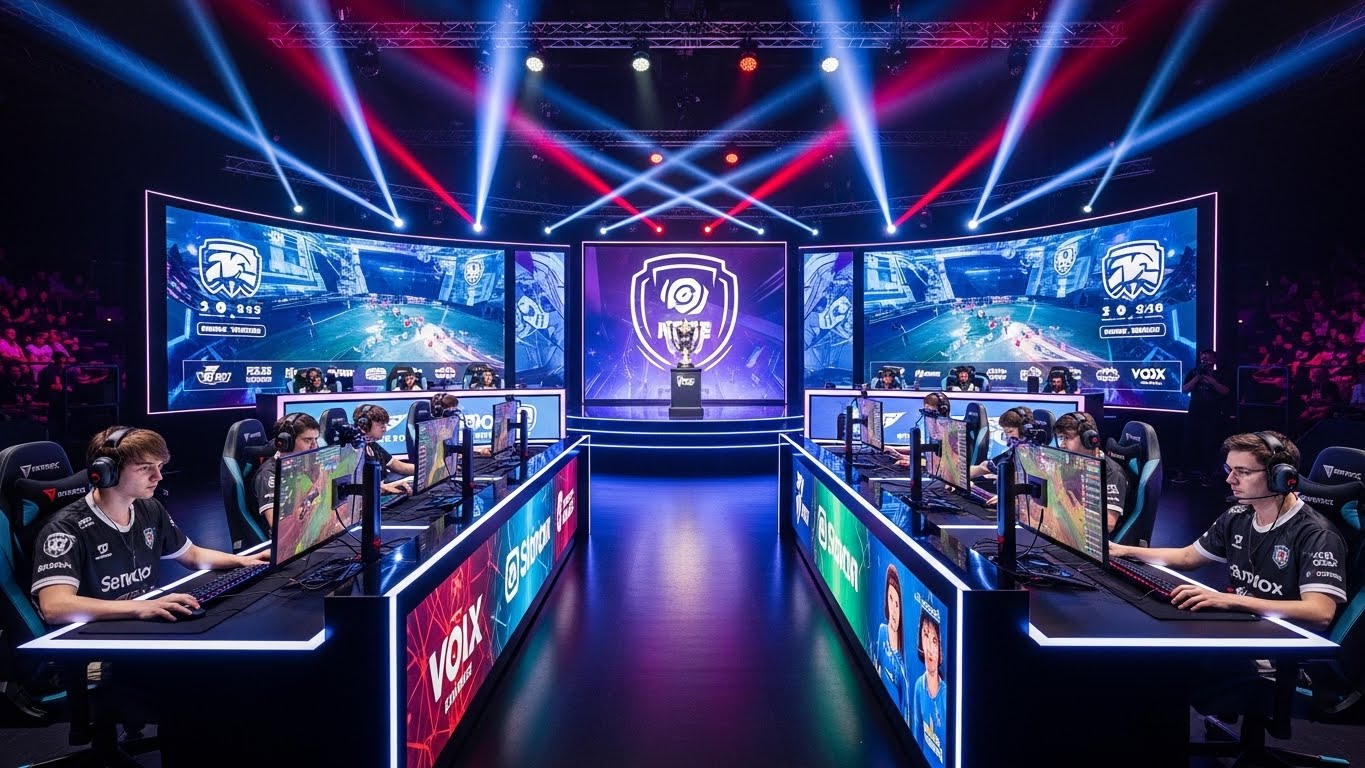
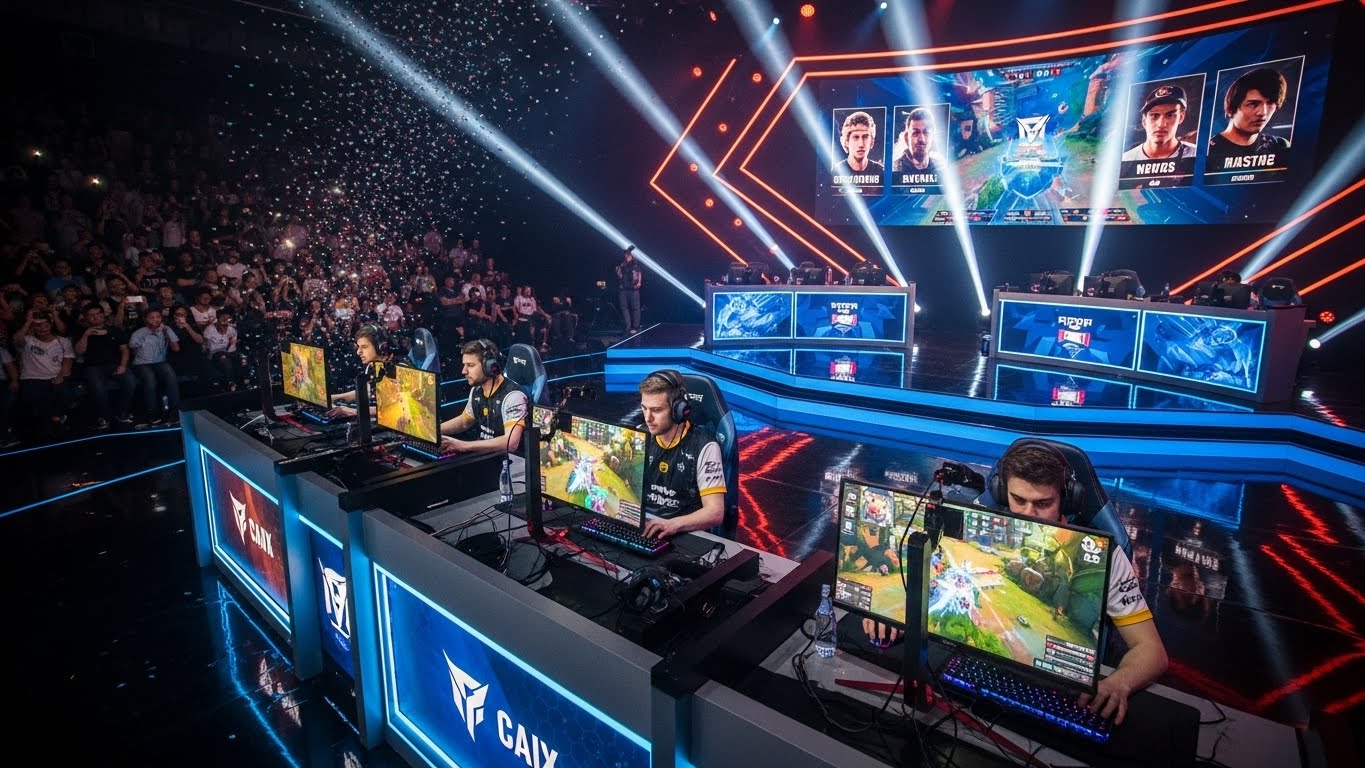
Over time, sports evolved into organized activities with rules, standards, and formal competitions. The invention of balls, racquets, and specialized equipment allowed for more complex games. As societies progressed, sports became more accessible and inclusive, paving the way for leagues, tournaments, and professional organizations. Today, sports exist in countless forms, from traditional athletics to cutting-edge eSports, reflecting humanity’s enduring love for competition and skill.
Sports and Cultural Identity
Sports are deeply intertwined with cultural identity. They provide a sense of belonging, pride, and community for individuals and nations alike. National teams competing in global tournaments, such as the FIFA World Cup or the Olympics, bring entire countries together, creating shared experiences and memories.
Local and regional sports also contribute to cultural heritage. Community leagues, school competitions, and traditional games strengthen bonds among participants and spectators. Fan rituals, chants, and team colors reinforce cultural identity, ensuring that sports remain a mirror of social values and traditions.
The Psychology of Athletic Competition
Sports have profound psychological effects on both athletes and spectators. For players, sports cultivate focus, confidence, resilience, and emotional regulation. Competing under pressure helps athletes develop mental toughness and problem-solving skills that extend into everyday life.
Spectators also experience psychological benefits. Watching sports can evoke joy, excitement, and empathy, providing emotional release and a sense of connection. Fans often experience collective highs and lows, creating a feeling of belonging and shared identity. This psychological engagement underscores why sports resonate so strongly with humans worldwide.
The Role of Sports in Social Development
Sports play a crucial role in social development by promoting teamwork, discipline, and cooperation. They provide structured environments for youth to learn values such as fairness, respect, and perseverance. Participation in sports programs can reduce antisocial behavior, build character, and foster leadership skills.
Community sports initiatives often bridge social divides, encouraging interaction between people from diverse backgrounds. Through shared goals and experiences, sports promote inclusivity, empathy, and mutual respect, making them powerful tools for societal cohesion.
Economic Significance of Sports
The sports industry is a major economic driver. Professional leagues, tournaments, and sporting events generate billions of dollars through ticket sales, merchandising, broadcasting rights, and sponsorships. Stadiums, training facilities, and sports academies create employment opportunities across multiple sectors, including coaching, event management, media, and marketing.
Even at a local level, sports stimulate economic activity. Community leagues, fitness centers, and recreational events support small businesses and service providers. Sports’ economic impact extends beyond financial gains, influencing urban development, tourism, and media industries.
Physical Health and Wellbeing
Participation in sports offers substantial physical health benefits. Regular activity improves cardiovascular fitness, strengthens muscles, enhances flexibility, and supports healthy weight management. Sports also reduce the risk of chronic diseases such as diabetes, hypertension, and obesity.
Beyond physical health, sports enhance mental well-being. Exercise stimulates the release of endorphins, reducing stress and improving mood. It also boosts cognitive function, concentration, and memory. For many individuals, sports are a holistic approach to maintaining both body and mind.
Team Sports and the Value of Collaboration
Team sports like soccer, basketball, and rugby teach athletes the importance of collaboration. Success in these games depends on communication, trust, and coordination. Players learn to work together toward a shared objective, developing interpersonal skills that are valuable in professional and personal settings.
Team sports also cultivate leadership qualities. Athletes take on roles that require decision-making, motivating teammates, and managing group dynamics. The lessons learned on the field often translate to improved teamwork and leadership abilities in real-life scenarios.
Individual Sports and Self-Discipline
Individual sports such as tennis, swimming, athletics, and gymnastics emphasize personal responsibility and discipline. Success in these sports relies on self-motivation, focus, and consistent effort. Athletes learn to set goals, measure progress, and persevere through challenges.
These sports cultivate independence and resilience, teaching individuals to manage pressure, cope with failure, and celebrate personal achievements. The mental fortitude developed in individual sports often benefits athletes beyond the competitive arena.
Women in Sports: Progress and Inspiration
Women’s participation in sports has grown tremendously, breaking barriers and inspiring generations. Female athletes demonstrate strength, skill, and determination, challenging gender stereotypes and paving the way for future athletes.
The visibility of women in sports encourages inclusivity, equal opportunities, and representation. Their achievements inspire young girls to pursue athletics, fostering confidence, ambition, and empowerment. The rise of women’s sports leagues and international competitions reflects a cultural shift toward equality and recognition of talent regardless of gender.
Youth Sports and Education
Youth sports programs are crucial for developing life skills, social competence, and healthy habits. Children who engage in sports learn teamwork, discipline, and goal-setting from an early age. They also develop social skills by interacting with peers, coaches, and mentors.
Educational institutions increasingly integrate sports into curricula, recognizing its role in holistic development. Participation in organized sports improves academic performance, boosts self-esteem, and instills a sense of responsibility. Youth sports provide a safe, structured environment for learning, growth, and personal achievement.
Sports as Global Entertainment
Sports have evolved into a major form of entertainment, captivating audiences worldwide. Professional leagues, international tournaments, and live broadcasts attract millions of viewers. Fans passionately follow athletes, celebrate victories, and engage in debates, creating a vibrant global culture around sports.
The entertainment value of sports extends beyond the game. Documentaries, films, and media coverage highlight athletes’ journeys, struggles, and triumphs, inspiring audiences and creating cultural icons. Sports entertainment also influences fashion, music, and lifestyle trends, making it an integral part of popular culture.
Challenges in the World of Sports
Despite its many benefits, sports face challenges that must be addressed. Issues such as doping, corruption, unfair competition, and excessive commercialization threaten integrity. Athlete health, particularly regarding injuries and mental well-being, is a growing concern.
Ensuring fairness, safety, and transparency is essential for sustaining public trust. Ethical governance, stricter regulations, and education on sportsmanship are crucial to preserving the true spirit of competition. Addressing these challenges ensures that sports remain a positive and inspiring force globally.
The Future of Sports in a Digital Age
The future of sports is intertwined with technology. Innovations like virtual reality, augmented reality, and performance analytics are transforming how athletes train and compete. Fans can engage with immersive broadcasts, access real-time statistics, and interact digitally with teams and events.
Esports and online gaming have expanded the definition of competition, integrating digital platforms with traditional sports culture. These developments create new opportunities for entertainment, accessibility, and global engagement. The fusion of sports and technology will continue to reshape athletic experiences for both players and audiences.
Conclusion: The Timeless Significance of Sports
Sports are an enduring part of human life, reflecting our drive for excellence, connection, and joy. They promote physical health, mental resilience, and social unity. From local playgrounds to global arenas, sports inspire communities, shape cultural identity, and create unforgettable experiences.
As technology advances, sports will continue to evolve, offering more immersive, inclusive, and interactive experiences. Yet their fundamental values—teamwork, perseverance, integrity, and passion—will remain timeless. Sports are not just games; they are a reflection of humanity’s aspirations, a celebration of effort, and a shared journey that connects people across the globe.