Introduction
Gaming has become more than just a pastime—it is a global movement that blends art, technology, and community into a single, immersive experience. From early arcade machines to virtual reality adventures, the evolution of gaming tells a story of creativity, innovation, and cultural impact. Today, gaming stands at the intersection of storytelling, design, and social connection, influencing the way people play, learn, and interact. It is not just entertainment; it is a window into imagination and a reflection of how human creativity continues to evolve in the digital age.
The Origins of Gaming: A Journey Through Time
The roots of gaming can be traced back to the earliest forms of play, from board games in ancient civilizations to mechanical amusements in the early twentieth century. However, the digital revolution began in the 1970s, when simple yet addictive games like Pong and Space Invaders captivated players worldwide. These early creations laid the groundwork for a multi-billion-dollar industry that would reshape entertainment forever.
The 1980s introduced gaming consoles such as the Nintendo Entertainment System and Sega Genesis, which brought characters like Mario and Sonic into households across the globe. The 1990s saw rapid technological growth, introducing 3D graphics and complex storytelling that transformed games into cinematic experiences. What began as pixelated adventures evolved into vast digital worlds filled with endless possibilities.
The Art and Storytelling of Modern Games
One of the most fascinating aspects of gaming today is its storytelling. Developers craft worlds that rival those of books and films, offering players an emotional journey through interactive narratives. Games now have plots filled with twists, moral choices, and deep character development that allow players to shape the outcome. Unlike passive entertainment, gaming engages players directly, making them an essential part of the story itself.
Story-driven games invite players to think critically and emotionally, connecting them to virtual worlds on a personal level. The combination of visuals, music, dialogue, and interactivity makes gaming one of the most powerful storytelling mediums of our time. This artistic side of gaming continues to push boundaries, proving that games can evoke emotion, provoke thought, and inspire imagination just like any other form of art.
Technology and Innovation in Gaming
Technological innovation is at the heart of gaming’s transformation. Advancements in hardware and software have allowed developers to create breathtakingly realistic environments and intelligent systems that respond dynamically to player actions. The introduction of artificial intelligence has revolutionized gameplay, making non-player characters more lifelike and unpredictable.
Virtual reality and augmented reality have taken immersion to a whole new level. With VR headsets, players can step inside the game world, explore landscapes, and interact as if they were truly there. Augmented reality, on the other hand, merges the virtual with the real, turning ordinary spaces into digital playgrounds. These technologies demonstrate that gaming is not just about playing—it is about experiencing an entirely new dimension of entertainment.
Online Gaming and the Power of Connection
The internet revolutionized gaming by introducing multiplayer and online communities. Instead of playing alone, people can now connect with others across the world in real time. Online gaming transformed competition and cooperation, allowing players to form friendships, teams, and communities regardless of distance.
Massive online worlds enable thousands of players to explore together, trade, or battle in shared virtual universes. This interconnectivity has turned gaming into a social phenomenon that goes beyond the screen. For many, online games serve as social hubs, offering belonging and camaraderie in ways that traditional media cannot replicate. The ability to communicate, collaborate, and share experiences is what makes online gaming a powerful cultural force.
Mobile Gaming and Global Accessibility
The rise of smartphones brought gaming to the fingertips of billions. Mobile gaming has made entertainment more accessible than ever before, breaking barriers of cost and technology. From quick puzzle games to complex strategy titles, mobile gaming appeals to every demographic. It has redefined convenience, allowing people to play anywhere—on commutes, during breaks, or at home.
Mobile gaming has also changed how developers design experiences. With touch controls and shorter play sessions in mind, games are now crafted to fit modern lifestyles. This accessibility has expanded the gaming audience, welcoming casual players and transforming gaming into a truly global form of entertainment.
Esports: Where Gaming Meets Competition
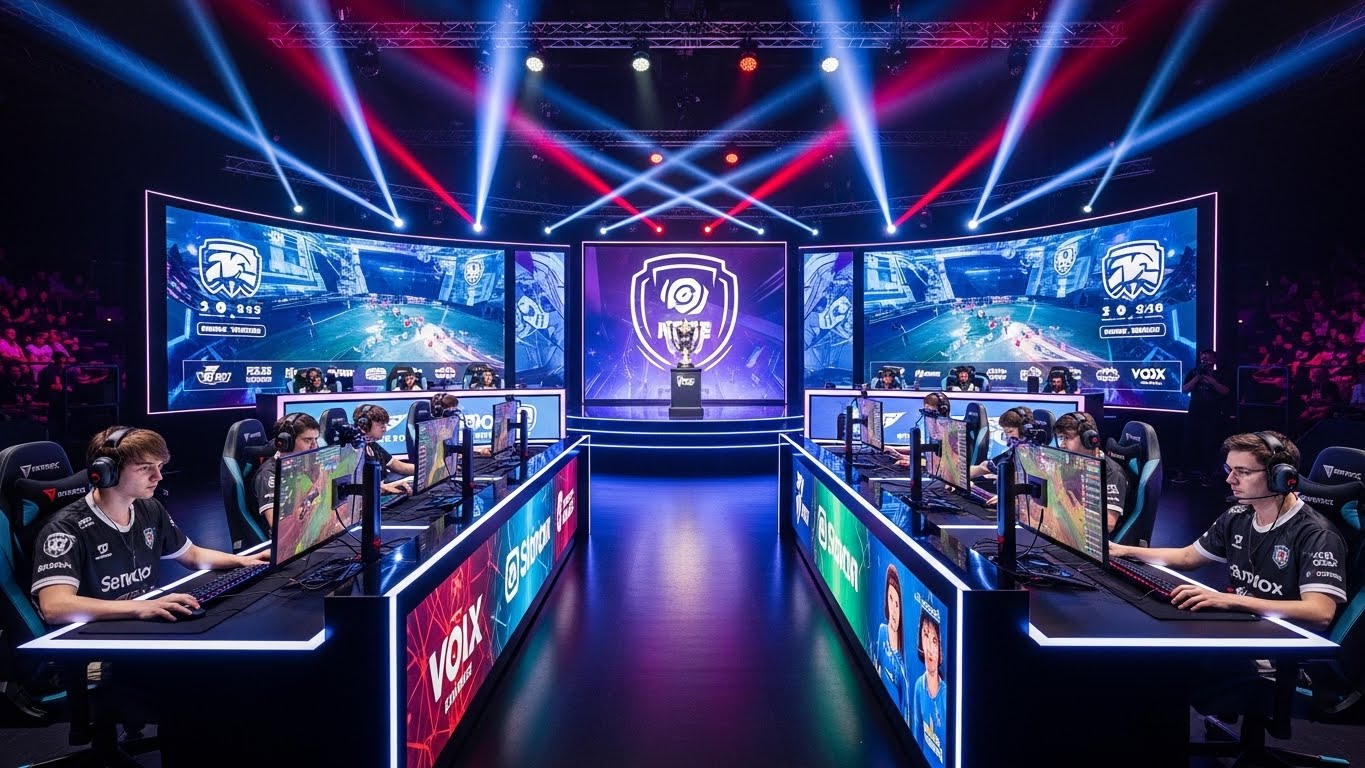
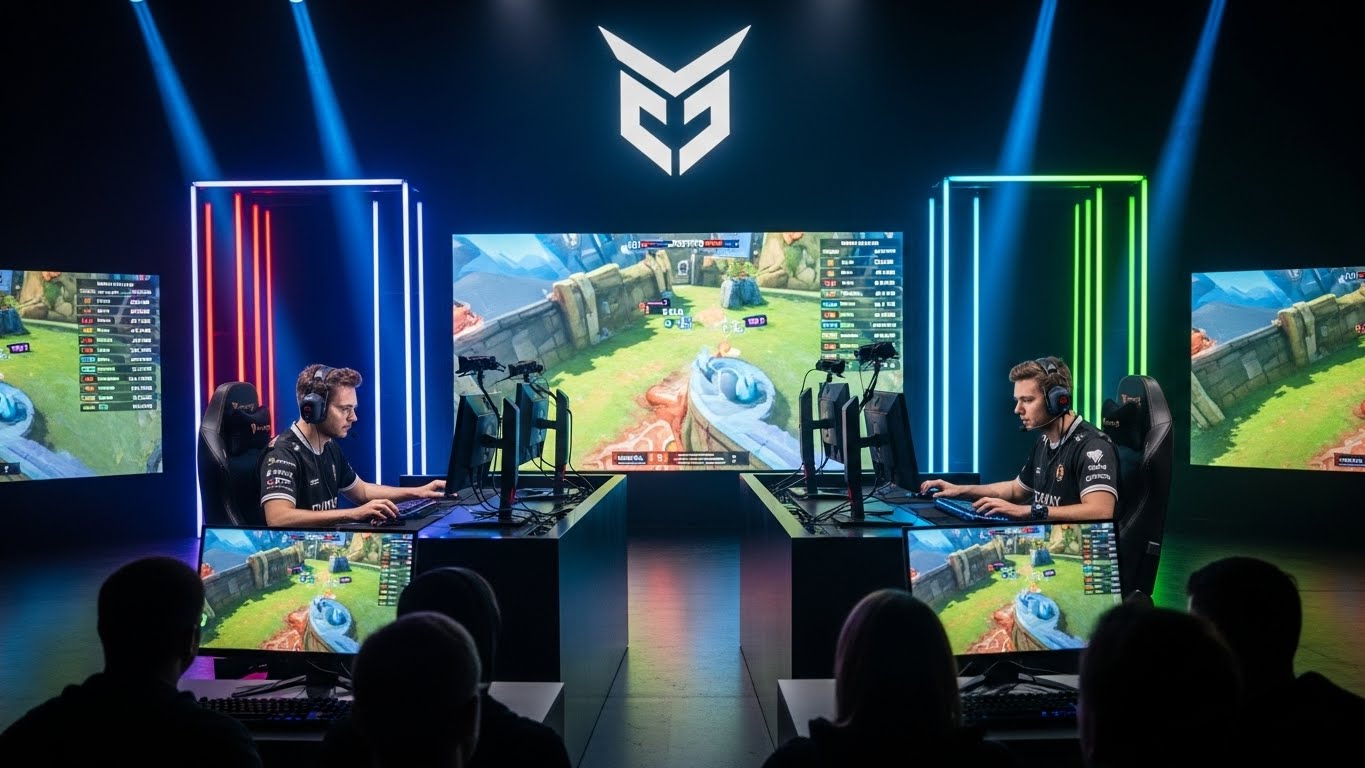
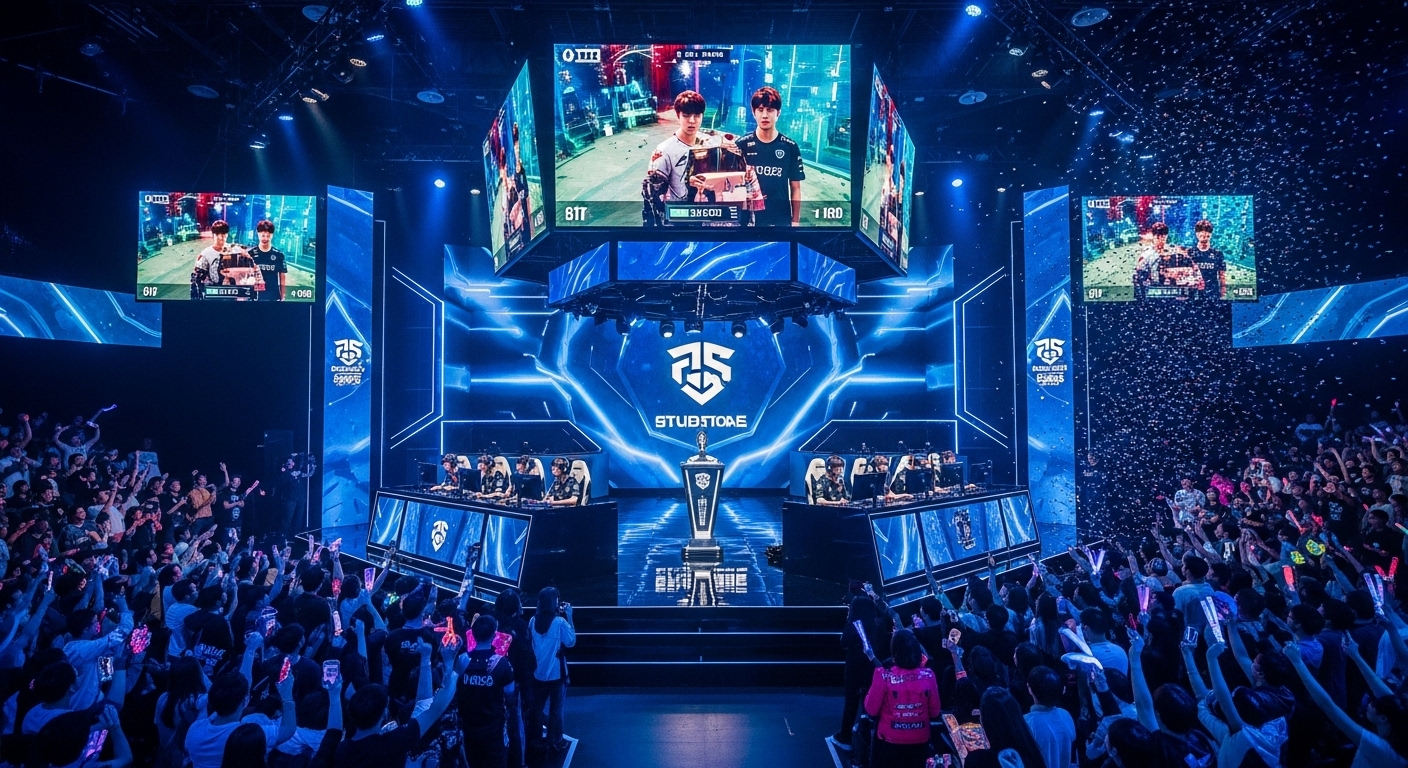
Competitive gaming, or esports, has become one of the most exciting developments in modern entertainment. What began as small tournaments among friends has turned into a global industry with professional players, coaches, and millions of fans. Esports events fill stadiums and attract online audiences that rival traditional sports broadcasts.
Professional players train rigorously, mastering strategies and honing reflexes. The competitive spirit, teamwork, and skill involved in esports have earned it recognition as a legitimate athletic pursuit. Universities now offer scholarships for esports, and brands sponsor teams just as they do in traditional sports. This competitive side of gaming highlights the discipline, talent, and dedication that go into mastering virtual arenas.
Gaming as a Tool for Creativity
Gaming is not limited to playing—it is also a medium for creation. Many games now include tools that allow players to design their own levels, characters, and stories. Sandbox games, for instance, give players the freedom to build entire cities, landscapes, or even functioning ecosystems. This creative freedom turns players into designers, architects, and storytellers.
Independent developers have also flourished, bringing fresh ideas and innovative gameplay to the forefront. Free from corporate restrictions, indie creators explore experimental art styles, emotional narratives, and unique mechanics. Their contributions have enriched the gaming landscape, proving that creativity and imagination are as important as technology in shaping memorable experiences.
Educational and Cognitive Benefits of Gaming
Gaming is not only entertaining—it can also be educational. Many games challenge players to solve problems, think critically, and make strategic decisions. Puzzle and strategy games enhance logical thinking and planning skills, while simulation games teach management and resource control. Educational games designed for students make learning interactive and enjoyable, turning complex subjects into engaging experiences.
Studies have shown that gaming can improve hand-eye coordination, multitasking, and reaction time. It fosters perseverance, as players learn to overcome challenges and adapt to failure. Cooperative games teach teamwork and communication, while story-driven games enhance empathy by allowing players to see the world from different perspectives. When played responsibly, gaming can be a powerful tool for intellectual and emotional growth.
The Psychology of Gaming: Emotion and Engagement
Gaming provides an emotional journey that resonates with players on multiple levels. It offers excitement, relaxation, and a sense of accomplishment. The interactive nature of gaming creates immersion, allowing players to feel as though they are part of another world. Achievements, progress, and victory release a sense of reward that motivates continued play.
For many, gaming is a form of stress relief and self-expression. It allows individuals to escape reality, explore new identities, and find joy in creative play. Online communities also provide social interaction and support, reducing loneliness and fostering friendships. Gaming can bring people together across cultures, proving that play is a universal language that connects us all.
The Business of Gaming: A Global Industry
Gaming has grown into one of the largest and most profitable industries in the world. It generates billions in revenue annually and supports careers in programming, design, marketing, and storytelling. The rise of digital distribution has made it easier for creators to reach audiences without relying on physical media, democratizing the market.
New business models such as downloadable content, subscriptions, and live-service games have changed how people interact with titles. While these trends come with challenges, they also allow continuous updates and community-driven development. The financial success of gaming demonstrates its significance as not just entertainment, but a vital part of the global economy.
Virtual Reality and the Future of Immersion
The future of gaming lies in immersion. Virtual reality and augmented reality technologies are transforming how players experience digital worlds. Virtual reality places users inside fully interactive environments, offering a level of realism that traditional screens cannot achieve. Augmented reality enhances real-world settings with digital elements, creating new layers of play and creativity.
These innovations have applications beyond entertainment, influencing education, healthcare, and professional training. Virtual simulations can teach skills, improve coordination, and even help in therapy. As technology continues to evolve, immersive gaming will redefine how people engage with digital content, making play more interactive and meaningful than ever before.
Cultural Influence and Global Impact of Gaming
Gaming is now deeply embedded in global culture. Iconic characters, soundtracks, and stories influence movies, music, and fashion. Gaming conventions and expos attract millions of enthusiasts who celebrate creativity and innovation. The sense of community built through gaming extends beyond the screen, with players forming lasting friendships and shared memories.
Moreover, gaming breaks cultural barriers. It connects people from different countries, backgrounds, and beliefs through shared goals and experiences. In an age where technology often divides, gaming serves as a bridge that unites. Its universal appeal demonstrates that play is a fundamental part of human connection and creativity.
Challenges and Responsibilities in Gaming
Despite its achievements, the gaming industry faces important challenges. Issues such as online toxicity, addiction, and data privacy need continuous attention. Developers and communities must work together to promote healthy gaming habits and create safe, inclusive environments for all players.
Representation and diversity also remain key areas of growth. As gaming reaches wider audiences, it is essential to include voices and perspectives from all walks of life. Ethical development, responsible design, and player well-being will ensure the long-term success and integrity of the gaming world.
Conclusion
Gaming has come a long way from its humble beginnings. It has transformed into a powerful medium that combines technology, art, and emotion to create experiences unlike any other. Whether it is a child playing a puzzle game, a professional competing in esports, or a developer crafting a new world, gaming continues to inspire creativity and connection.
The impact of gaming reaches beyond entertainment—it shapes how we think, communicate, and dream. As technology evolves, so will the possibilities for interactive storytelling, education, and cultural exchange. The world of gaming is a reflection of human imagination, limitless in scope and ever-changing in form. In this digital age, gaming stands as a testament to how play can shape the future, bringing people together through shared wonder and creativity.