Introduction: The Rise of Esports
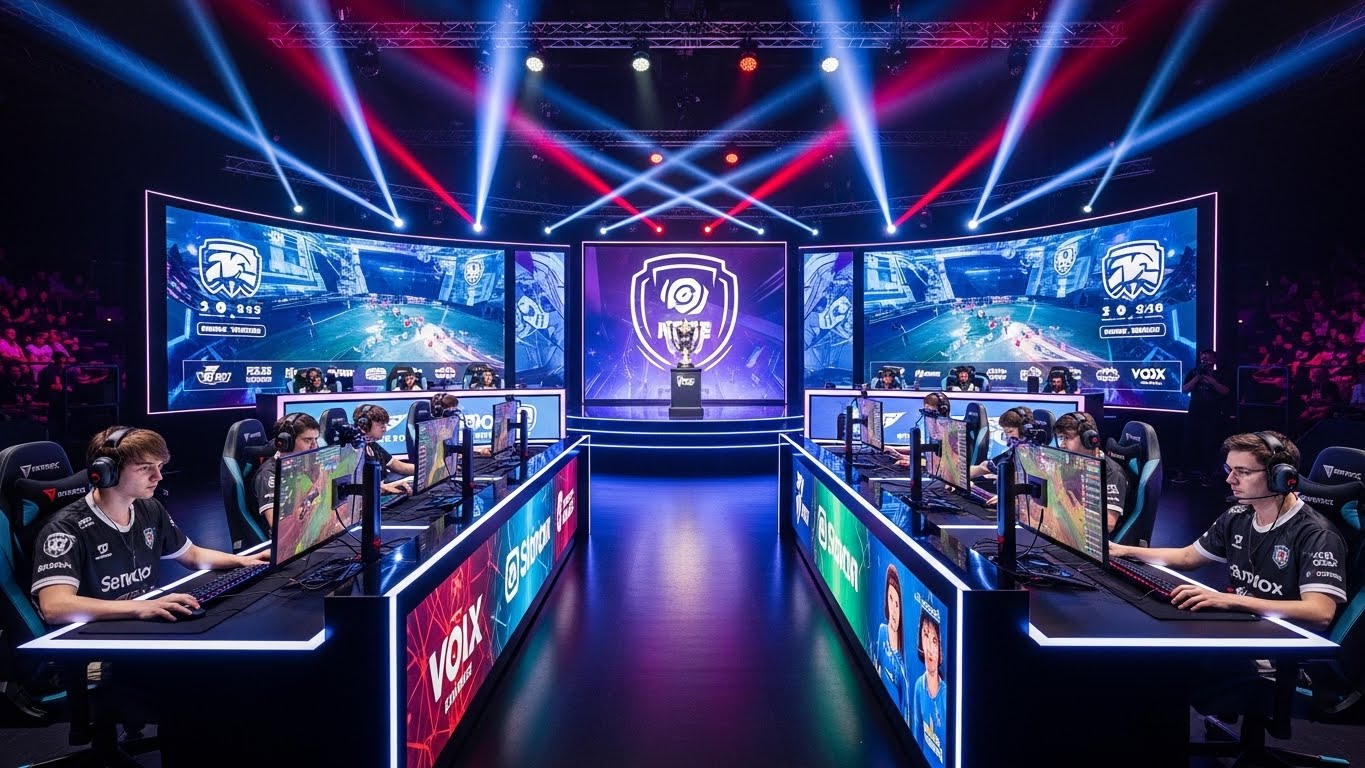
The world of competitive gaming, or esports, has evolved from a niche hobby into a global phenomenon that rivals traditional sports in both popularity and influence. What began as casual gaming competitions among friends has now transformed into professional leagues, international tournaments, and multimillion-dollar sponsorship deals. Esports is more than just playing video games; it is a dynamic ecosystem that combines skill, strategy, teamwork, and entertainment. Its rapid growth is fueled by technological advances, increasing internet accessibility, and the ever-expanding gaming community. As esports continues to gain recognition, it is shaping a new era where virtual competition commands the same respect and enthusiasm as conventional sports.
The Anatomy of Esports
Esports encompasses a wide variety of competitive video games, ranging from multiplayer online battle arenas and first-person shooters to real-time strategy games and sports simulations. Each genre demands unique skills, including reflexes, strategic planning, coordination, and mental stamina. Professional esports teams function similarly to traditional sports teams, with specialized roles, coaching staff, analysts, and rigorous training schedules. The competitive structure often mirrors professional leagues, featuring regional qualifiers, international tournaments, and championship events. The diversity of esports ensures that players with different strengths and gaming styles can find their niche, making it an inclusive and multifaceted platform for competition.
The Physical and Mental Demands of Esports
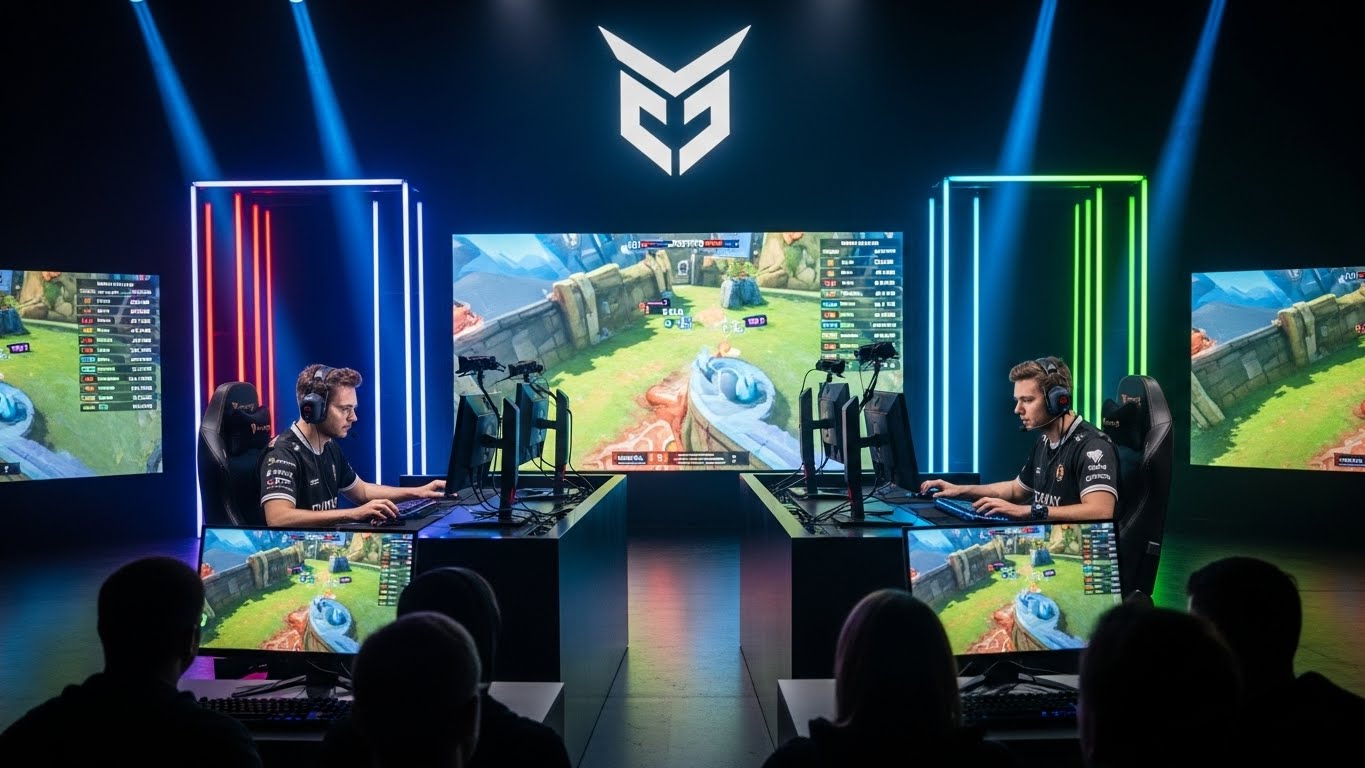
Although esports is predominantly a digital activity, it is far from a sedentary or passive pursuit. Professional players endure hours of daily training, which requires high levels of focus, precision, and reaction speed. Maintaining physical health is also crucial, as extended gaming sessions can lead to eye strain, repetitive strain injuries, and posture-related issues. Many esports athletes incorporate physical exercise, proper nutrition, and mental conditioning into their routines to enhance performance. The mental demands of esports are significant, requiring quick decision-making under pressure, situational awareness, and the ability to adapt strategies in real time. Concentration, patience, and resilience are essential traits that determine a player’s success in high-stakes competitions.
Teamwork and Communication in Esports
Team-based esports games, such as Dota 2, League of Legends, and Overwatch, emphasize coordination, communication, and strategic collaboration. Players must work cohesively, anticipate each other’s actions, and adjust tactics dynamically. Effective communication is critical, as split-second decisions can determine the outcome of a match. Beyond gameplay, esports fosters strong social bonds among teammates, building trust and camaraderie that extend beyond the virtual arena. Even in individual-focused games like StarCraft or fighting games, players often engage with coaches, analysts, and support staff to refine techniques and gain competitive advantages. The teamwork aspect of esports mirrors traditional sports, highlighting the importance of collaboration in achieving collective success.
Esports as a Career
The professional esports industry offers viable career opportunities for talented players and support staff alike. Top players can earn substantial incomes through tournament winnings, sponsorships, and streaming revenue. Beyond the players, coaches, analysts, content creators, and event organizers contribute to a thriving ecosystem that supports career growth in multiple directions. Unlike traditional sports, esports allows individuals to monetize digital talent from a young age, opening doors for international exposure and financial independence. With professional organizations and leagues offering structured contracts and benefits, esports has matured into a legitimate career path that combines passion with opportunity, attracting a new generation of competitive talent.
The Cultural Impact of Esports
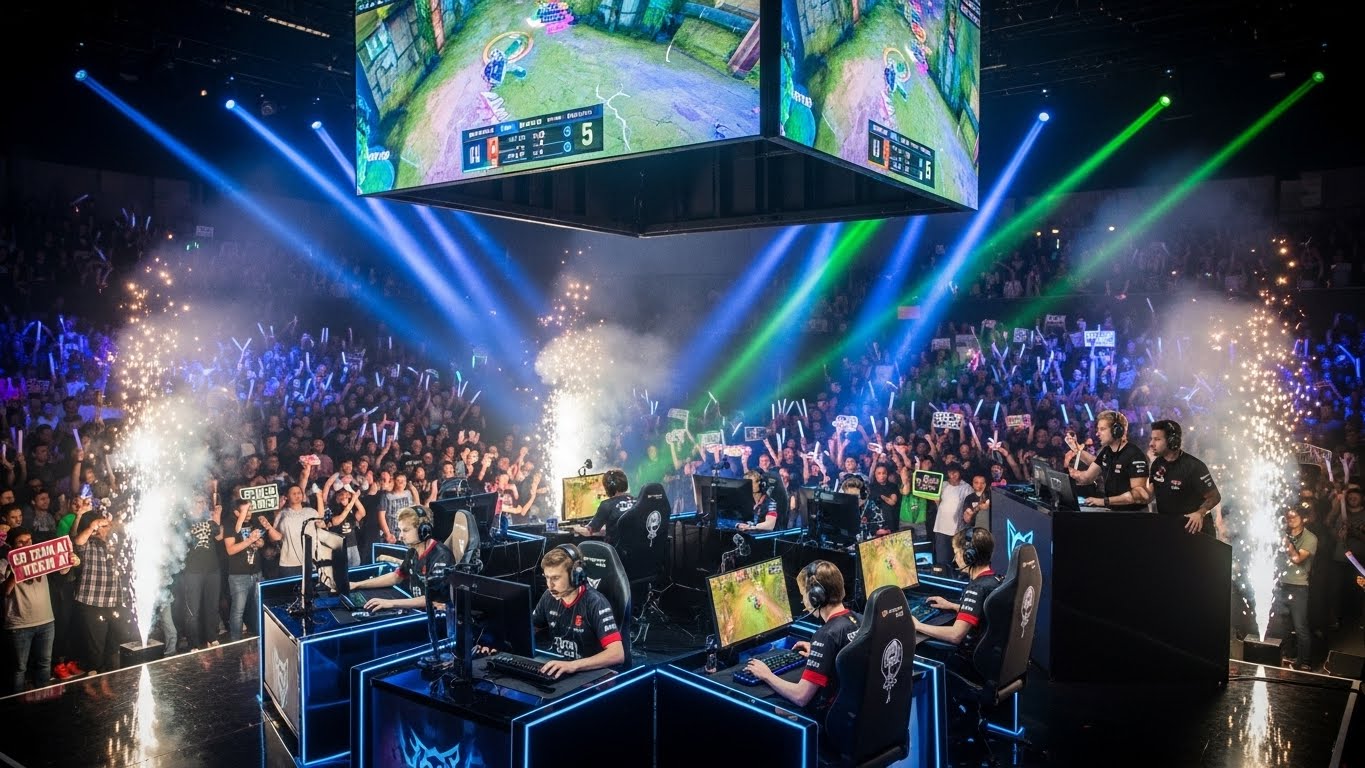
Esports has significantly influenced popular culture, shaping perceptions of gaming and redefining entertainment in the digital age. It has fostered global communities that transcend geographical boundaries, allowing players and fans to connect over shared interests. Esports celebrities and streamers have become influential figures, inspiring aspiring gamers and influencing trends in technology, fashion, and media. Major tournaments are celebrated events, drawing millions of viewers worldwide and creating a sense of collective excitement comparable to traditional sporting events. The cultural impact of esports demonstrates that competitive gaming is not just a pastime but a powerful social phenomenon that reflects contemporary digital lifestyles.
Technology Driving the Esports Revolution
The growth of esports is closely tied to technological advancements. High-speed internet, advanced graphics, powerful gaming hardware, and streaming platforms have made competitive gaming accessible to a global audience. Data analytics and performance-tracking tools allow players to refine strategies and enhance gameplay efficiency. Virtual reality and augmented reality technologies are beginning to expand the possibilities of immersive esports experiences. Moreover, online streaming platforms have democratized content creation, allowing players to broadcast gameplay, interact with fans, and build personal brands. Technology continues to blur the line between gaming and entertainment, transforming esports into a multi-dimensional industry with endless potential.
Economic Influence of Esports
Esports has grown into a multi-billion-dollar industry, generating revenue through sponsorships, advertising, ticket sales, merchandise, and media rights. Professional leagues and tournaments attract significant corporate investment, with brands recognizing the marketing potential of engaging younger, tech-savvy audiences. Esports events also boost local economies, creating jobs in event management, production, and digital content creation. Furthermore, the industry encourages entrepreneurship, with startups developing innovative gaming products, platforms, and services to meet the demands of a rapidly expanding community. The economic impact of esports underscores its significance beyond entertainment, establishing it as a critical sector in the digital economy.
Esports and Education
Esports has found a growing presence in educational institutions, where it is increasingly recognized as a tool for skill development and personal growth. Schools and universities are forming esports programs, offering scholarships, and integrating competitive gaming into curricula. Participation in esports can enhance cognitive skills such as strategic thinking, problem-solving, teamwork, and time management. Additionally, esports programs foster community engagement, inclusivity, and leadership development. By bridging gaming with education, esports provides students with opportunities to pursue their passion while acquiring skills applicable to academic and professional success, highlighting its potential as a positive force in youth development.
Global Appeal and Audience Engagement
One of esports’ most remarkable aspects is its global appeal. Major tournaments attract millions of viewers from diverse regions, creating a shared experience that transcends language and cultural barriers. Fans engage through live streams, social media, forums, and fan events, forming vibrant communities that celebrate gaming culture. The interactive nature of esports allows audiences to participate actively, providing commentary, predictions, and support for favorite players and teams. This level of engagement fosters a sense of belonging and excitement, making esports a uniquely immersive form of entertainment. Its ability to unite people from different backgrounds highlights esports as a truly global phenomenon.
Challenges Facing the Esports Industry
Despite its rapid growth, the esports industry faces several challenges that need to be addressed. Player burnout, mental health issues, and physical strain are common concerns due to the intensity of professional competition. The lack of standardized regulations and governance structures can result in inconsistencies across leagues and tournaments. Additionally, controversies related to cheating, harassment, and unethical practices can affect the reputation of esports. Ensuring sustainability requires continued investment in player welfare, ethical standards, and fair competition. Addressing these challenges is critical to maintaining the credibility and long-term success of esports as a professional and cultural institution.
The Future of Esports
The future of esports is filled with promise and innovation. Advancements in virtual reality, cloud gaming, and artificial intelligence are poised to enhance gameplay and spectator experiences. Esports is likely to continue integrating with mainstream entertainment, media, and traditional sports, broadening its reach and influence. Increased recognition from educational institutions, governments, and international organizations will contribute to legitimizing esports as a professional and socially impactful endeavor. As technology evolves and global participation grows, esports is set to redefine the boundaries of competition, community, and entertainment in the digital era.
Conclusion: Esports as a Transformative Force
Esports represents a transformative force in contemporary culture, combining the excitement of competition with the innovation of digital technology. It offers physical, mental, social, and economic benefits while fostering global communities and redefining entertainment. From professional athletes to passionate fans, esports has created opportunities and experiences that resonate across generations and borders. Its continued growth demonstrates the potential of digital competition to influence society, culture, and economy on a massive scale. Esports is no longer simply a game; it is a dynamic arena where talent, strategy, technology, and human connection converge, shaping the future of competitive entertainment.