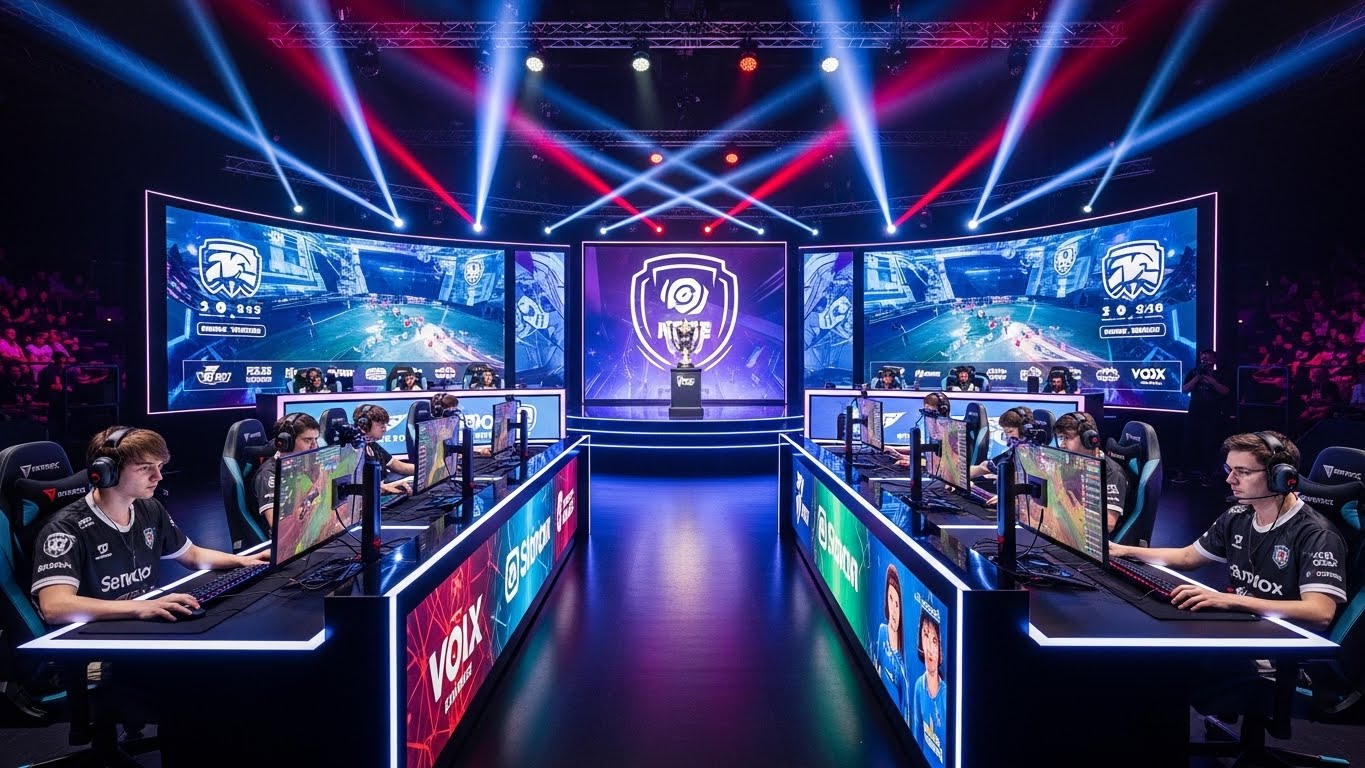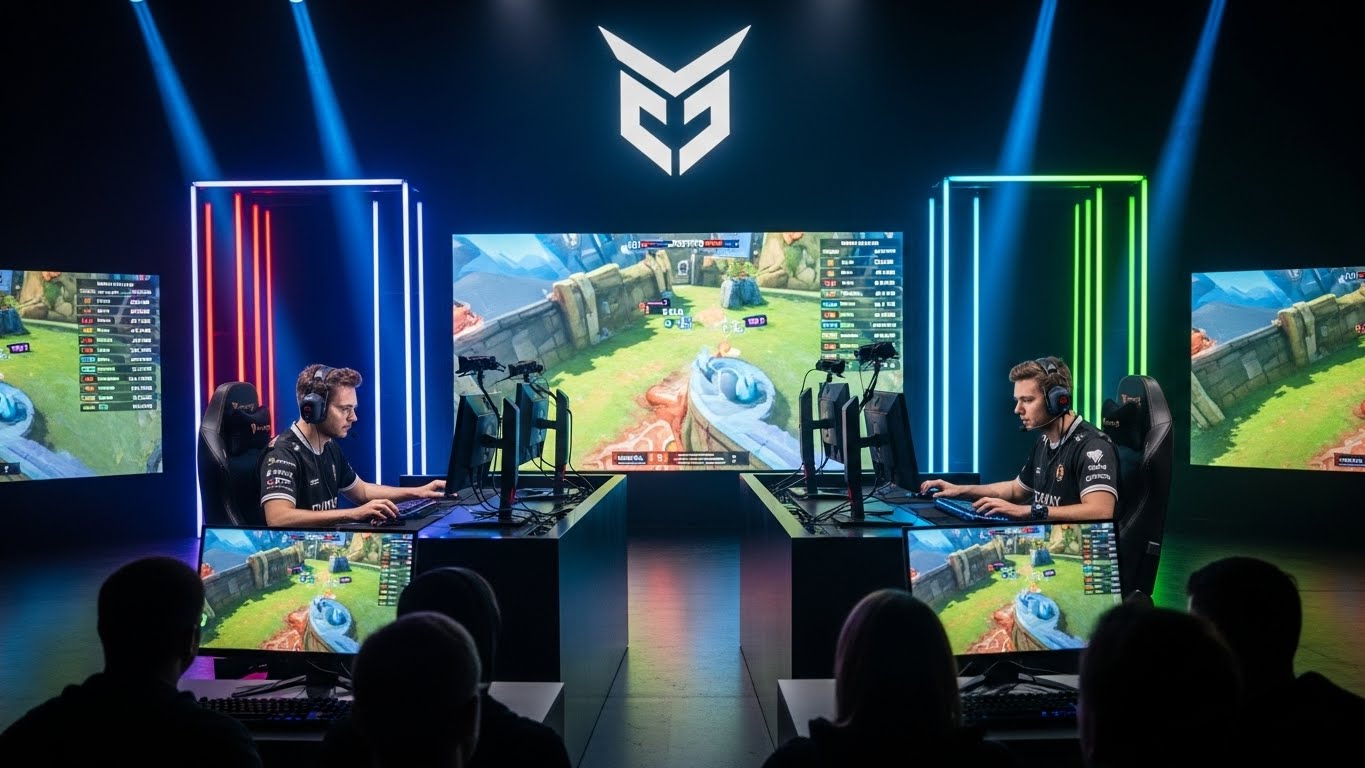
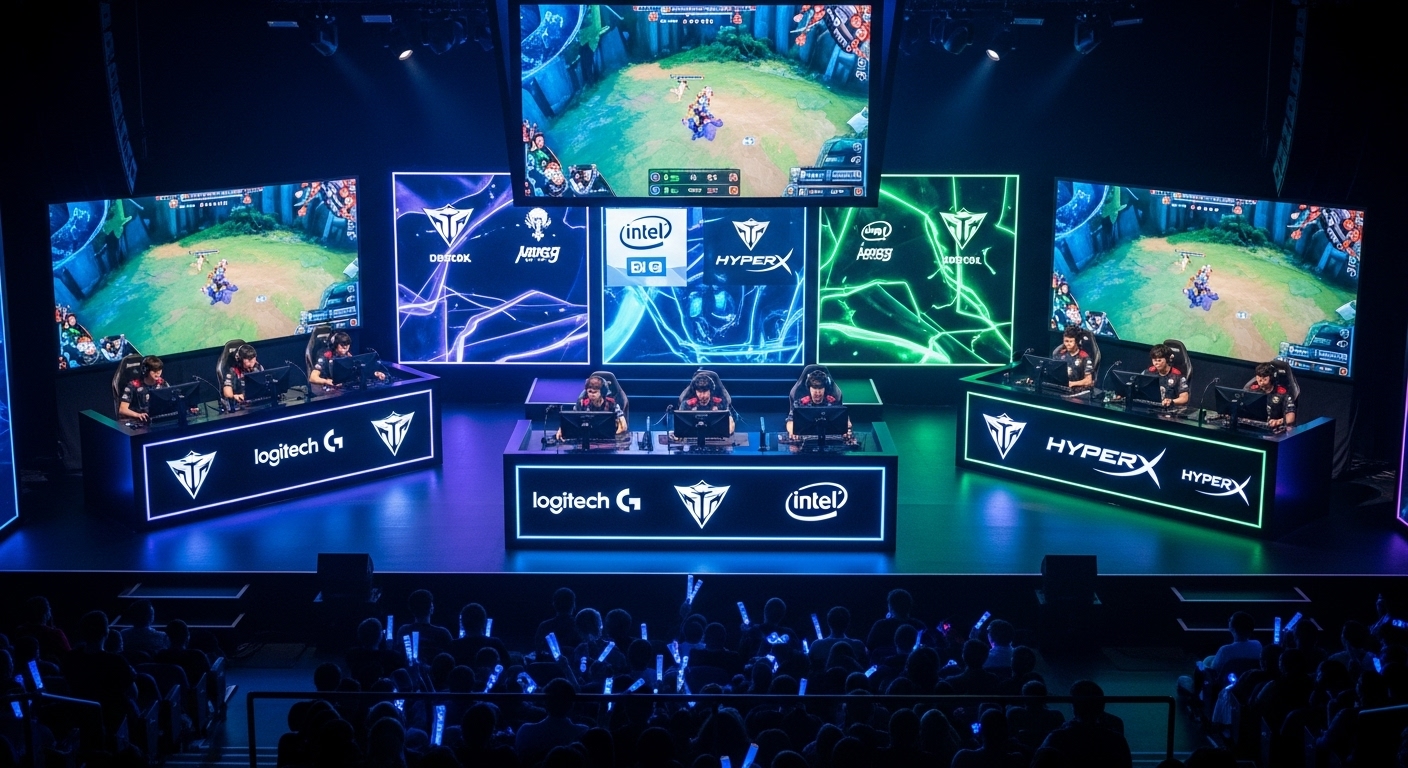
Esports, once a niche activity enjoyed by only the most dedicated gamers, has exploded into a global phenomenon. What started as small competitions among friends has transformed into a multi-billion-dollar industry with millions of fans, professional players, and major sponsorships. With esports tournaments filling arenas and attracting millions of viewers online, the world of competitive gaming is not just here to stay—it’s only getting bigger. In this blog post, we’ll take a deep dive into the world of esports, exploring its rise, the mechanics behind professional gaming, its cultural impact, and where it’s heading in the future.
The Origins of Esports: From Local Tournaments to Global Arenas
The history of esports can be traced back to the early days of competitive gaming, which began in the 1990s with simple, local tournaments. In 1997, Red Annihilation, a competition centered around Quake, was one of the first major esports events. The tournament was small by today’s standards, but it laid the groundwork for future events. The winner of that competition, Dennis “Thresh” Fong, made history by being awarded a Ferrari 328 GTS, marking one of the first instances of a tangible reward for gaming prowess.
However, it was the early 2000s that saw esports truly begin to form into the large-scale industry we know today. South Korea played a pivotal role in the development of competitive gaming, with StarCraft tournaments drawing massive crowds and television broadcasts in the early 2000s. The growth of the internet and the rise of online multiplayer games such as Warcraft III and Counter-Strike further propelled esports into the mainstream, with players around the world able to compete against each other from the comfort of their homes.
By the mid-2000s, esports was becoming a global phenomenon, with events like the World Cyber Games and Electronic Sports World Cup (ESWC) attracting players and fans from all over the world. The growth of streaming platforms like Twitch, which launched in 2011, gave fans direct access to watch professional gamers compete in real time, further propelling esports into the spotlight.
The Mechanics of Esports: The Games, The Players, and The Tournaments
Esports covers a wide range of games across various genres, but there are certain key games that have defined competitive gaming. These games often focus on team-based play, strategic depth, and skill mastery. Below are some of the most influential games in the esports scene:
1. First-Person Shooters (FPS)
First-person shooters like Counter-Strike: Global Offensive (CS:GO), Call of Duty, and Overwatch are some of the most popular esports genres. These games require players to have quick reflexes, precise aiming, and deep strategic knowledge. CS:GO, for example, has become one of the flagship titles in the FPS esports scene, with professional tournaments offering large cash prizes and sponsorships from major brands.
In these games, teams of players compete to either attack or defend specific objectives while eliminating the opposing team. Tactical coordination, communication, and positioning are just as crucial as individual skill, making teamwork a central aspect of gameplay.
2. Multiplayer Online Battle Arenas (MOBAs)
League of Legends (LoL) and Dota 2 are the two biggest names in the MOBA (Multiplayer Online Battle Arena) genre. These games pit two teams of five players against each other in an intense battle to destroy the enemy’s base while defending their own. MOBAs are known for their deep strategy, with players selecting heroes or champions with unique abilities that require precise execution.
The complexity of these games, combined with the sheer amount of teamwork required, has made them a staple in esports. League of Legends, for example, is one of the most-watched esports games worldwide, with its annual League of Legends World Championship drawing millions of viewers and offering multi-million-dollar prize pools.
3. Real-Time Strategy (RTS)
Although not as prominent in the current esports landscape, real-time strategy games like StarCraft II have left a lasting legacy. StarCraft II is a game of resource management and strategy where players must build armies, expand their bases, and outsmart their opponents in fast-paced combat. The strategic depth of RTS games makes them a favorite for competitive play, and they were pivotal in the early days of esports, especially in South Korea.
4. Battle Royale
The battle royale genre, which exploded in popularity with titles like Fortnite, Apex Legends, and PlayerUnknown’s Battlegrounds (PUBG), is one of the most recent additions to esports. These games feature large-scale maps where players fight to be the last person or team standing. The combination of tactical gameplay, fast-paced action, and survival mechanics has made battle royales a global phenomenon, with tournaments like Fortnite’s World Cup offering massive prize pools.
Esports Tournaments: The Thrill of the Competition
Esports tournaments have evolved from small LAN parties into massive events that fill stadiums and generate millions of dollars in revenue. Major tournaments often feature top-tier players and teams from around the world, and the stakes are incredibly high. Some of the most prestigious esports tournaments include:
1. The International (Dota 2)
The International, the annual tournament for Dota 2, is arguably the most prestigious esports competition in the world. Held by the game’s developer, Valve, the tournament boasts one of the largest prize pools in esports history. In 2018, The International 8 had a prize pool of over $25 million, a testament to the game’s global appeal and the growing interest in esports as a serious competitive industry.
2. League of Legends World Championship
The League of Legends World Championship, or Worlds, is one of the most-watched esports tournaments globally. Teams from all over the world compete in regional leagues to earn a spot at the World Championship, where they battle for glory and a multi-million-dollar prize. The championship culminates in a spectacular finals event that is broadcast live to millions of fans worldwide.
3. Overwatch League (OWL)
The Overwatch League is a global esports league based on the popular first-person shooter Overwatch. Featuring teams from cities around the world, the OWL operates like a traditional sports league, with teams playing regular-season matches, followed by playoffs and a championship. The OWL has brought a level of professionalism to esports, attracting sponsorships from major companies and offering salaries to its players, similar to traditional sports leagues.
4. CS:GO Major Championships
The Counter-Strike: Global Offensive Major Championships are some of the longest-running and most prestigious tournaments in the esports industry. These tournaments bring together the world’s best teams to compete in a high-stakes environment, with prize pools reaching several million dollars. The global fanbase for CS:GO has helped maintain its position as a staple in the esports scene for over a decade.
The Players: From Casual Gamers to Professional Athletes
Esports players are the heart of the competitive gaming world. Just like athletes in traditional sports, professional gamers dedicate countless hours to training, refining their skills, and competing at the highest levels. These players are often signed to esports organizations, which provide them with sponsorships, coaching, and support.
To succeed in esports, players must possess a unique combination of skills, including quick reflexes, strategic thinking, and mental fortitude. Training schedules are rigorous, with many players spending 10-12 hours a day practicing, studying opponents, and participating in scrims (practice matches) to prepare for major tournaments.
The rise of esports has also opened up new career opportunities for players. Beyond simply competing, professional gamers can earn revenue through sponsorships, streaming, content creation, and merchandising. Famous players like Faker (Lee Sang-hyeok) from League of Legends, s1mple (Oleksandr Kostyliev) from CS:GO, and Ninja (Tyler Blevins) from Fortnite have become global superstars, earning millions from tournament winnings, sponsorship deals, and streaming platforms.
The Cultural Impact of Esports: More Than Just a Game
Esports has transcended the realm of gaming and become a significant cultural movement. It’s not just about the games—it’s about the community, the fans, and the entertainment value it provides. Esports has brought gaming into the mainstream, with major media outlets, celebrities, and brands taking notice.
The rise of esports has also helped establish video games as a legitimate form of entertainment, much like traditional sports or movies. It’s not uncommon to see esports events broadcast on major TV networks, and streaming platforms like Twitch and YouTube Gaming have become central to how fans engage with competitive gaming.
Esports has also created new social spaces. Fans of esports can now engage with their favorite players, teams, and games through social media, forums, and live streaming. The communal aspect of esports is one of its most powerful elements—fans not only enjoy watching the games but also feel connected to the larger community that surrounds them.
The Future of Esports: Expanding Horizons
As esports continues to grow, its future looks incredibly bright. With increasing sponsorships, higher prize pools, and greater mainstream visibility, esports is quickly becoming a dominant force in the entertainment world. Here are a few trends to watch for:
1. Mainstream Media Integration
As esports continues to grow, expect to see more traditional media outlets getting involved. Networks like ESPN, NBC, and Fox Sports have already started broadcasting major esports events, and this trend is likely to continue. With esports reaching larger audiences, more television networks and digital platforms will seek to broadcast tournaments,